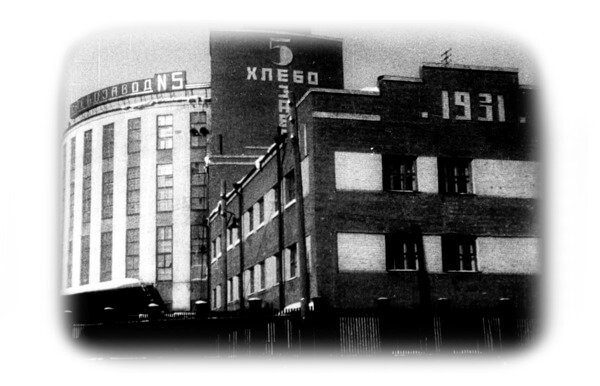
The new exhibition project Logos: The Voice of Constructivism explores how Constructivism used artistic means of expression to shape modern media, including radio, cinema, magazines, photography and books.
The twentieth century was a time of rapid urban expansion, along with the development of transport and communication technologies. From the very beginning of the century, art found its place in public space and in the system of mass communication, not only reflecting the changes taking place but also influencing their direction. It was a crucial period for innovation in typography, advertising, radio and graphic design.
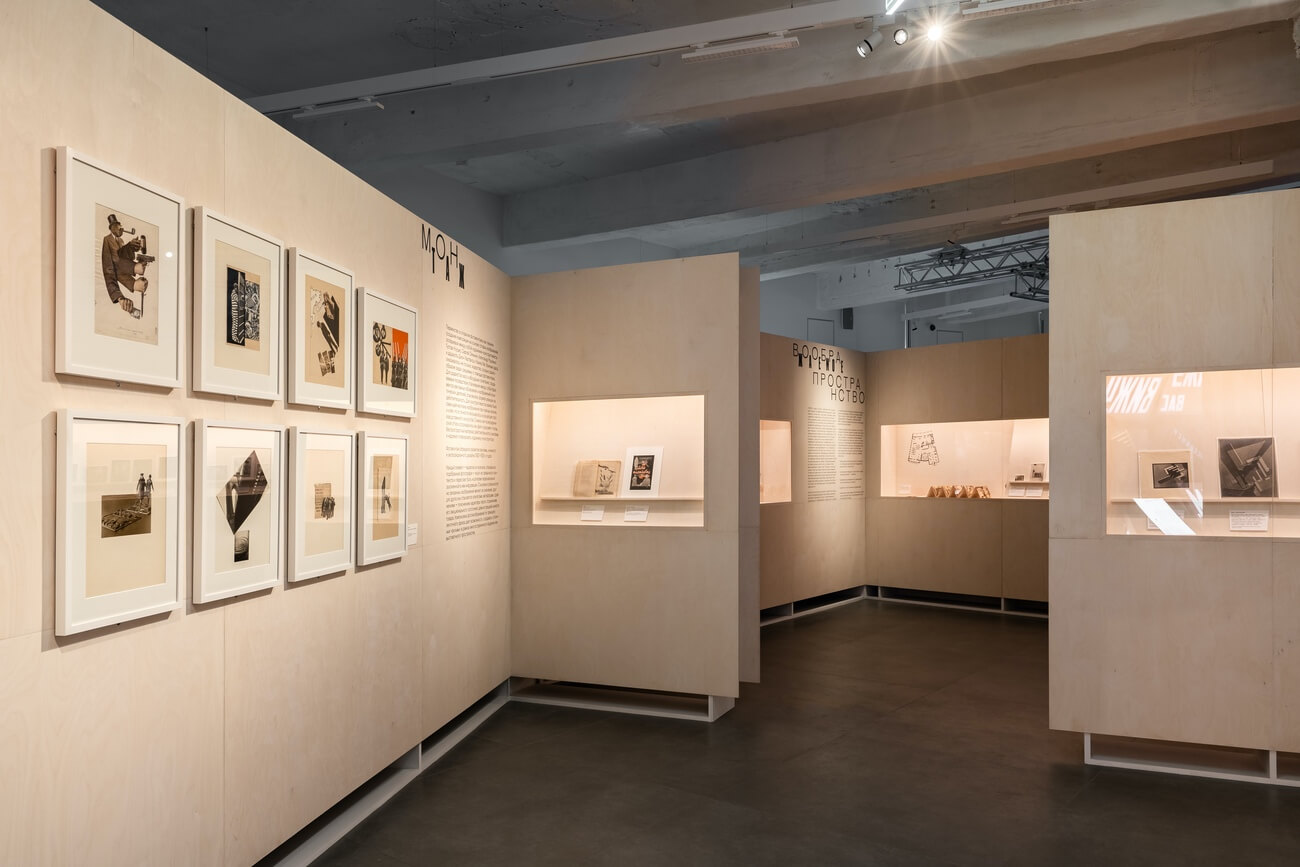
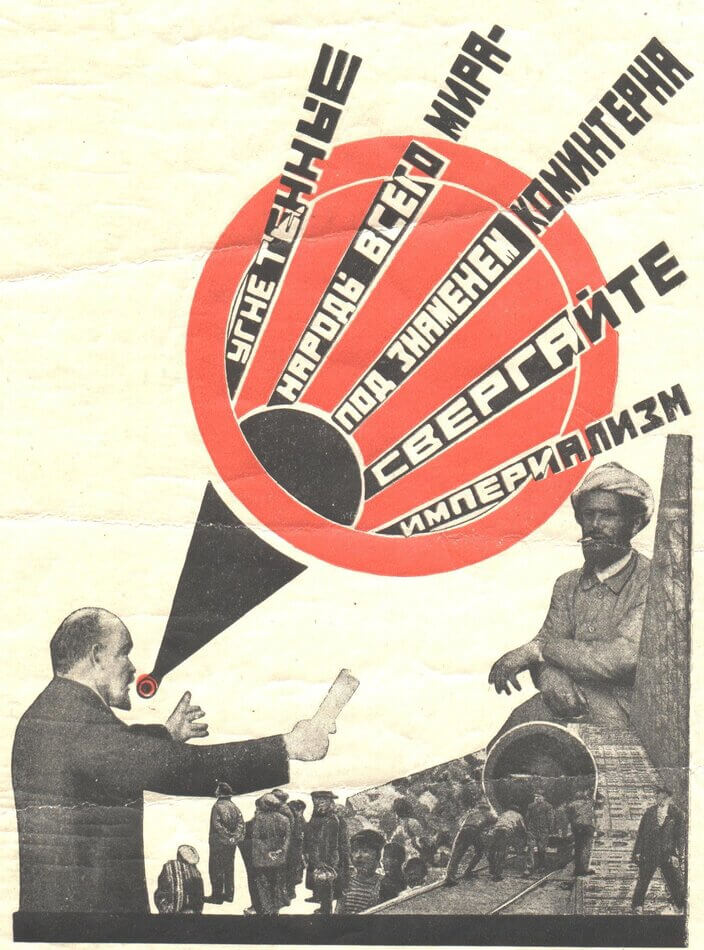
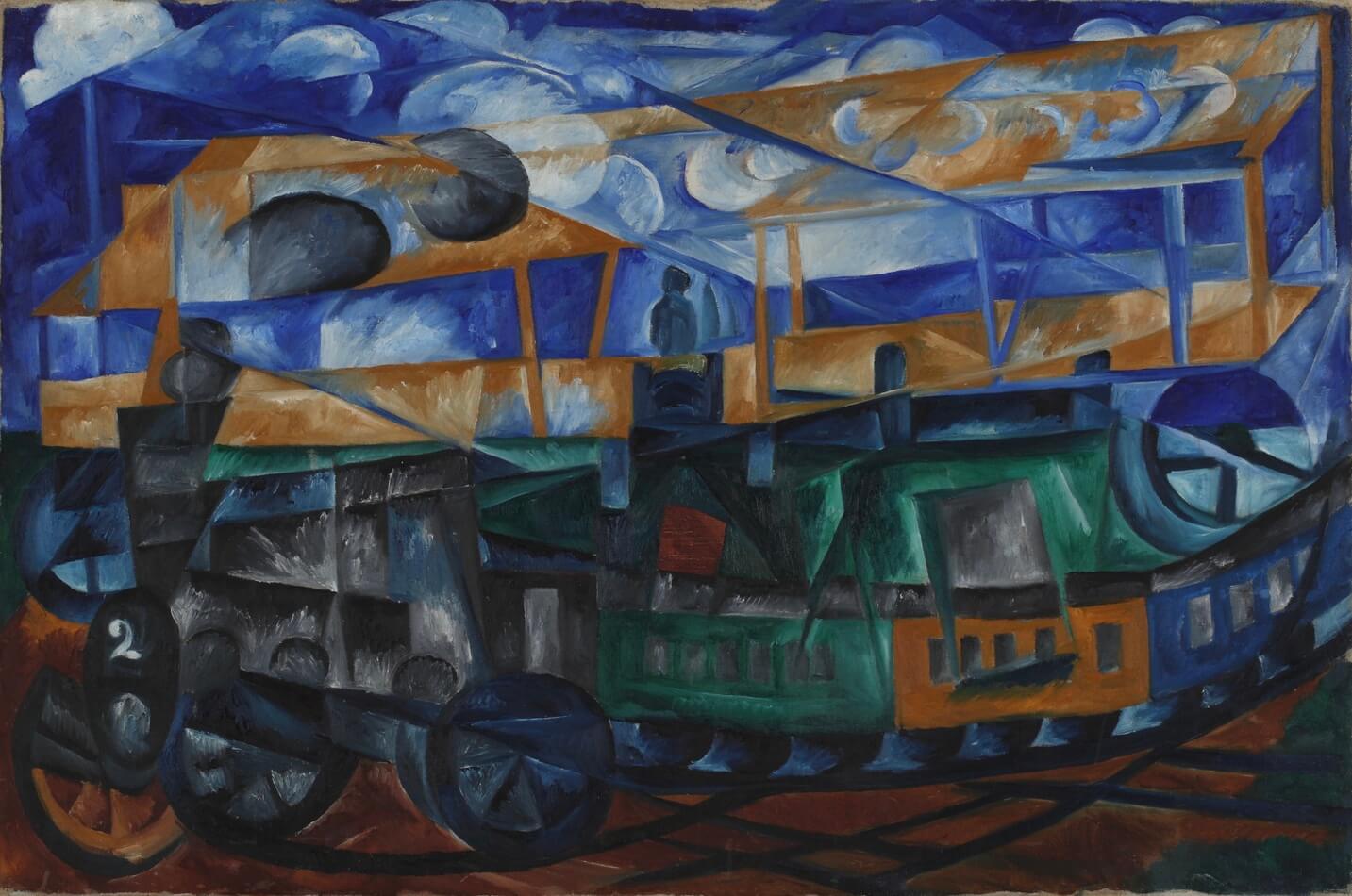
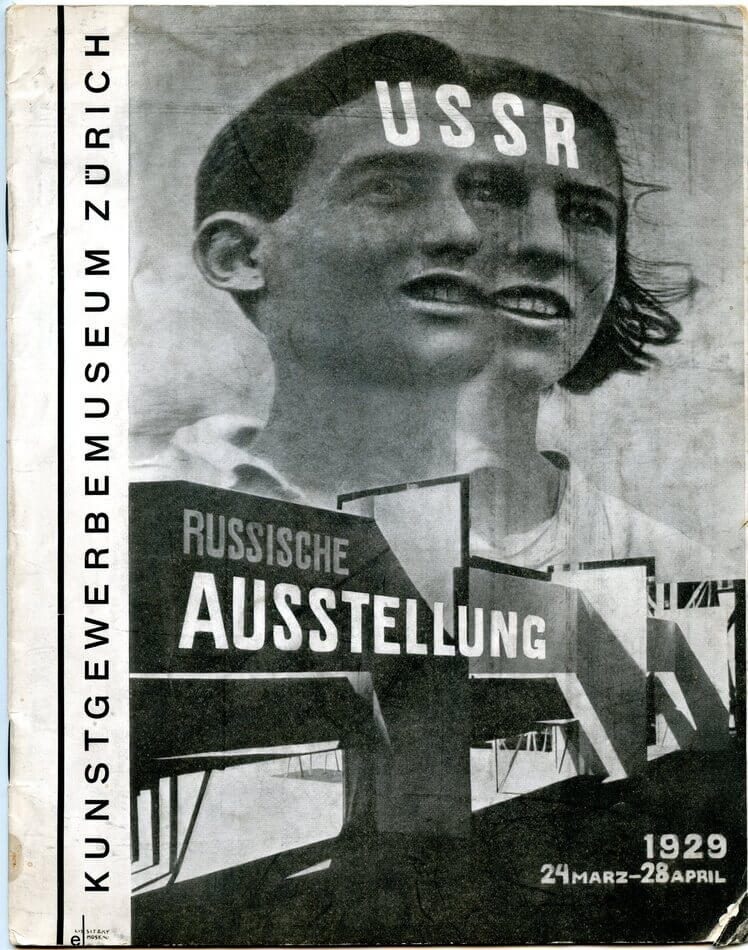
Constructivism introduced a new visual language. This progressive artistic movement was marked by geometric forms, clean shapes and a solid, unified aesthetic. The new culture placed function at the centre, whether of form, object or person. It had to be practical, universal and relevant, much like the young, fast-paced city. Art was for everyone, and so was the city. The principles of Constructivism extended to other spheres, including architecture, cinema, book design, photography and urban planning. Its new language helped shape a montage-based way of presenting and perceiving information, a principle that remains relevant today.
The heroes of the new exhibition are artists such as Alexander Rodchenko, Vladimir Mayakovsky, El Lissitzky, Gustav Klutsis, the Stenberg brothers and Solomon Telingater, stars of the highest calibre who laid the foundations of graphic design and set the rules for advertising.
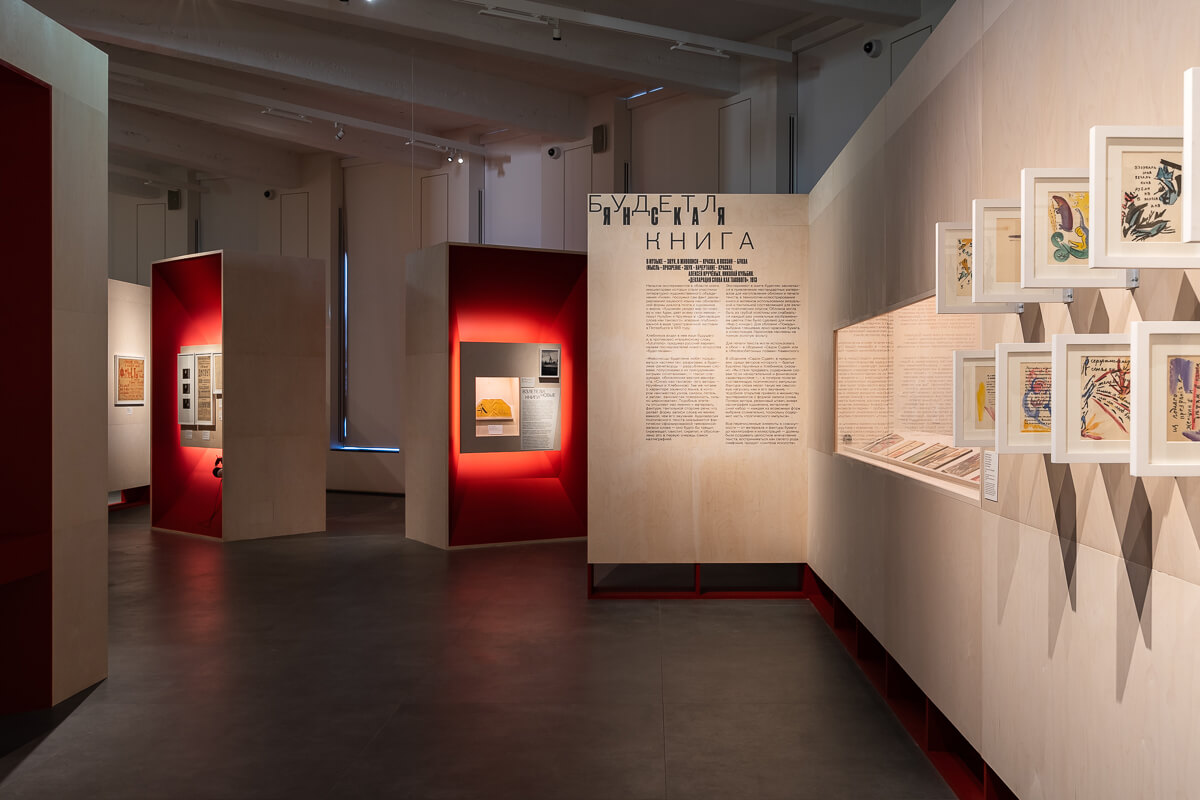
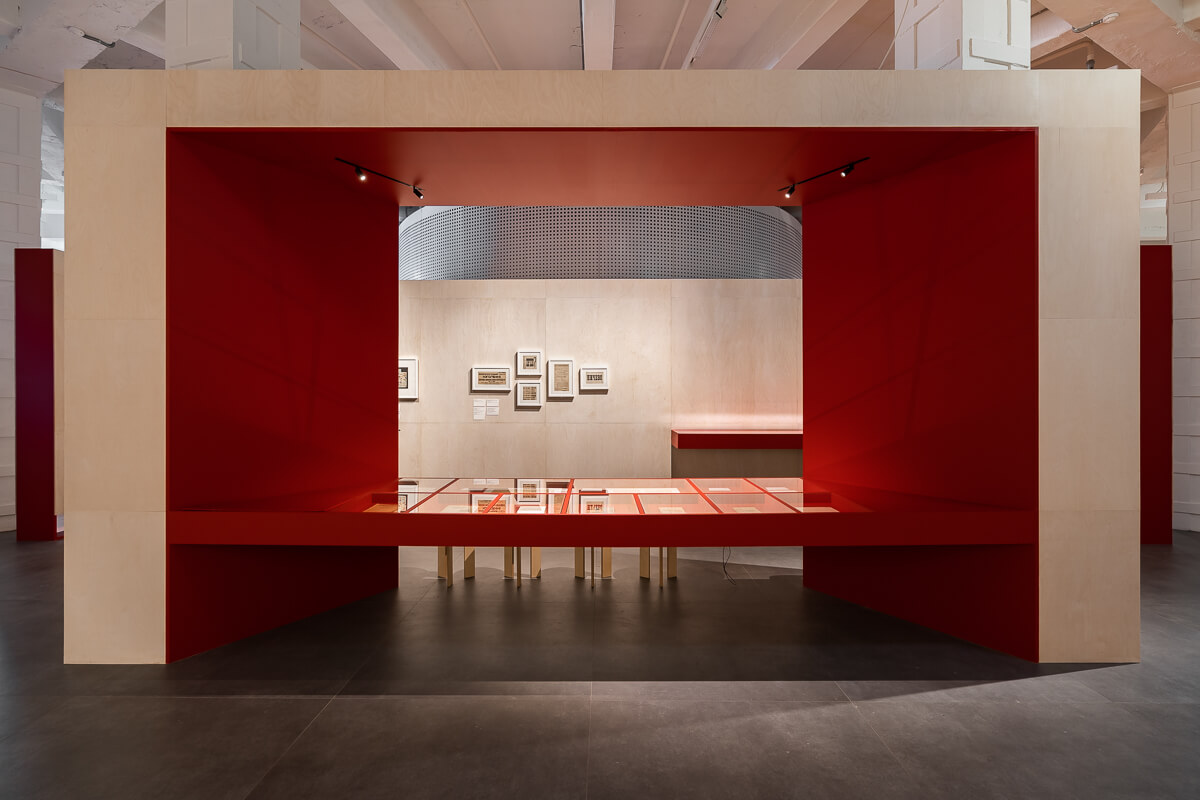
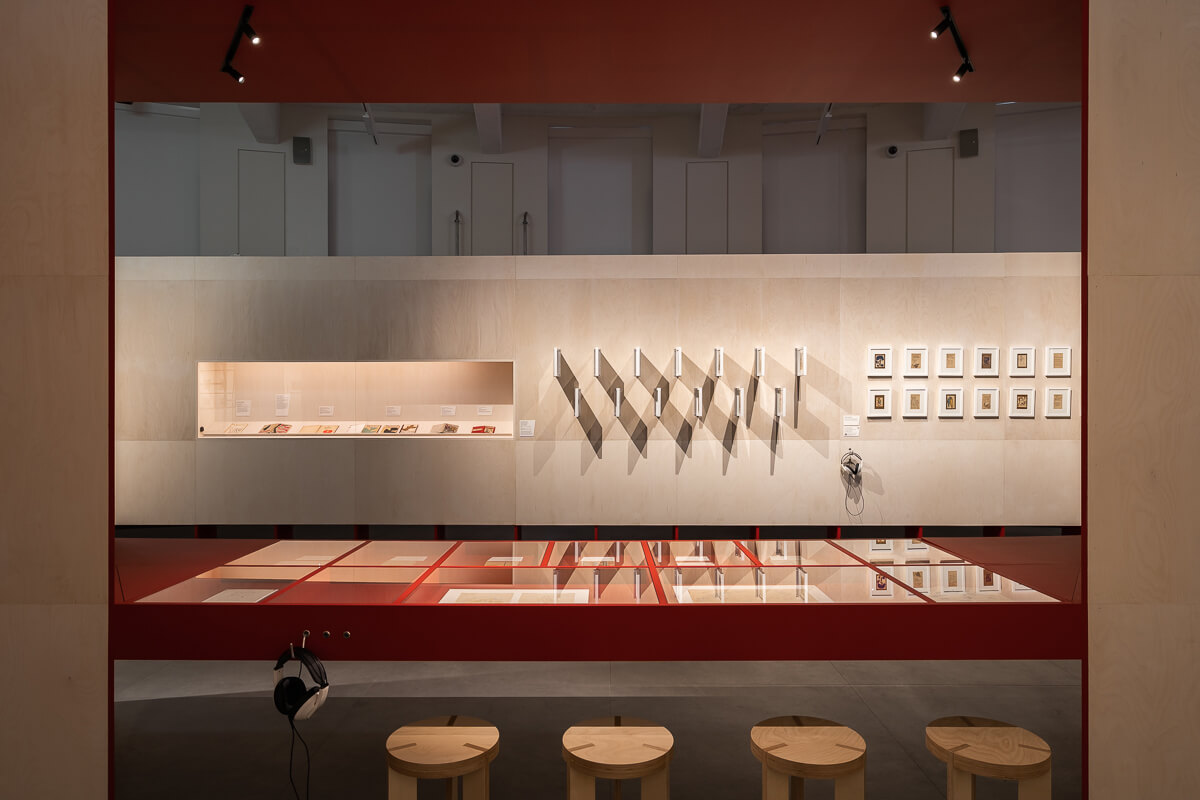
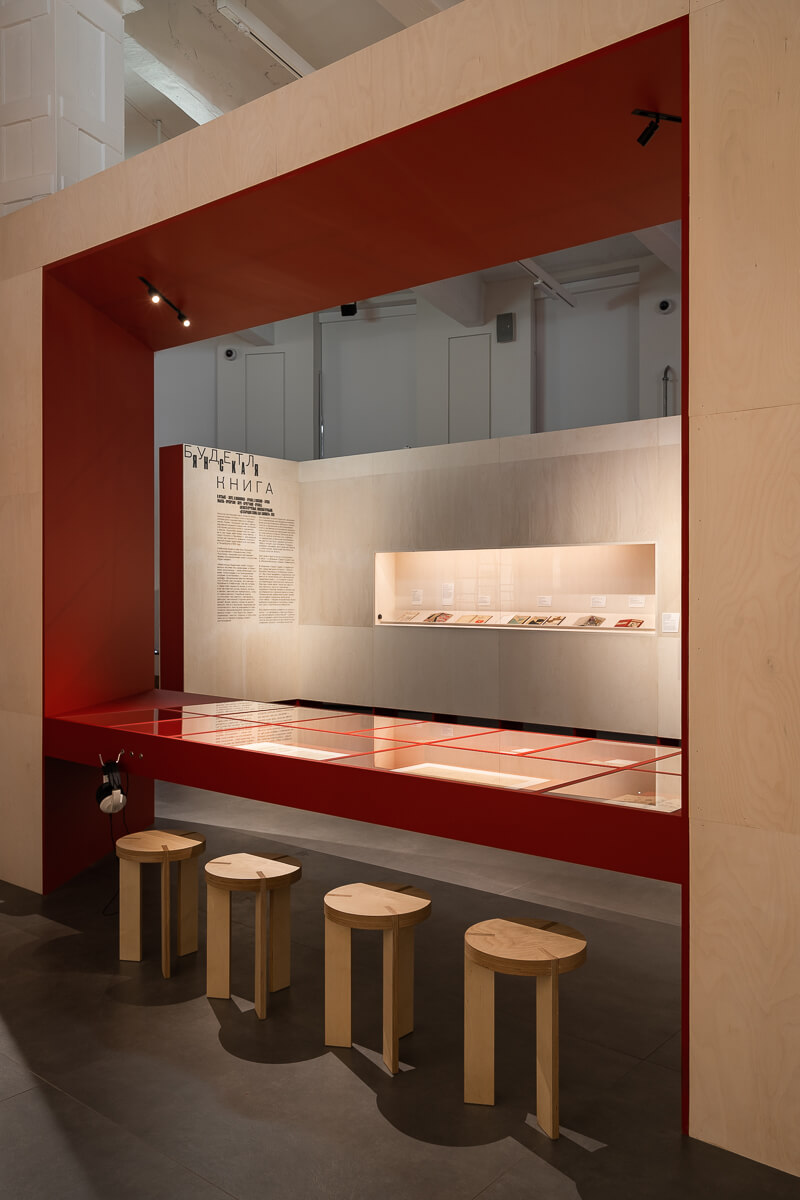
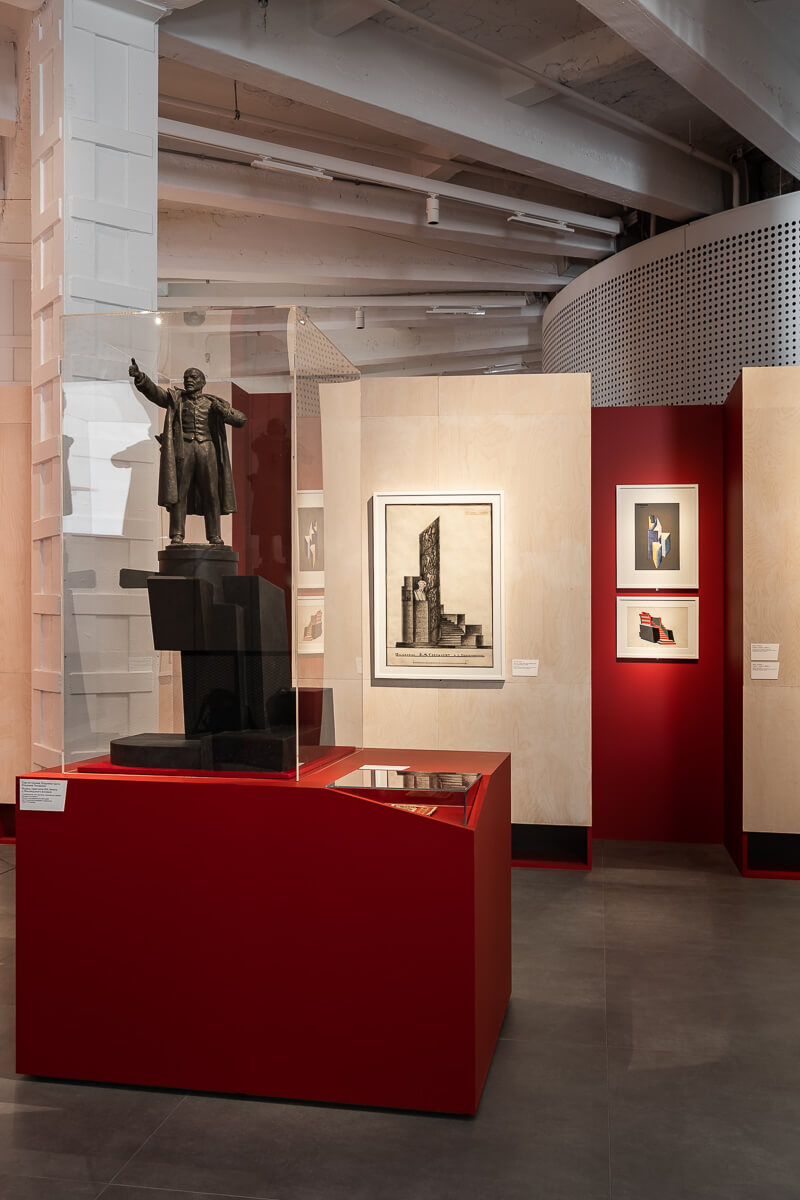
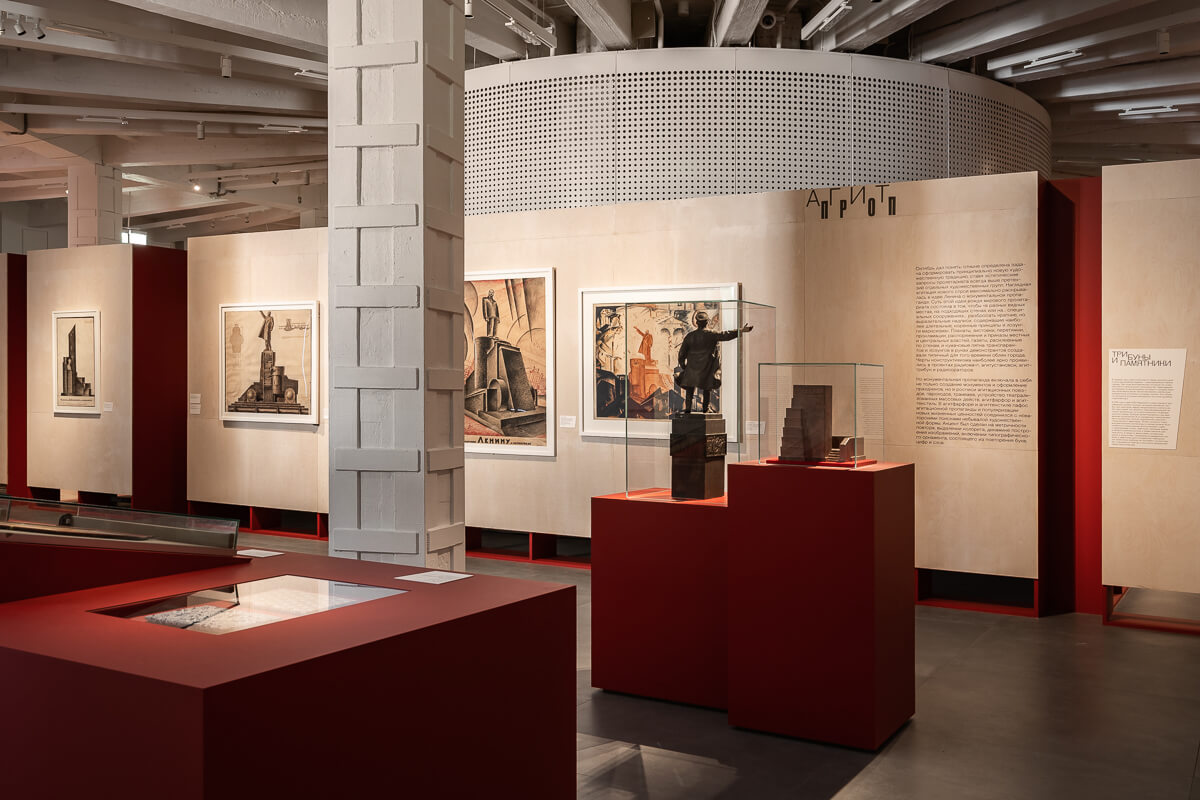
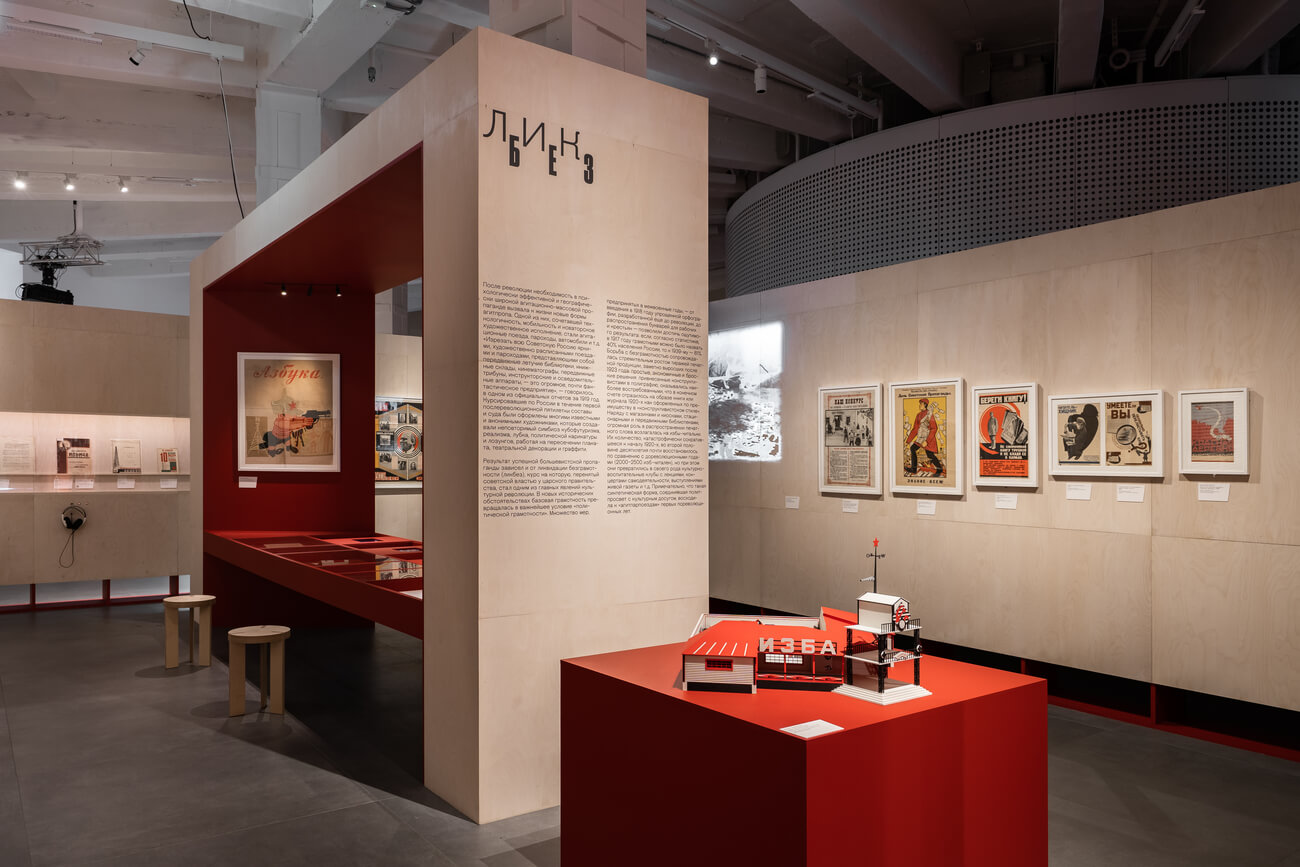
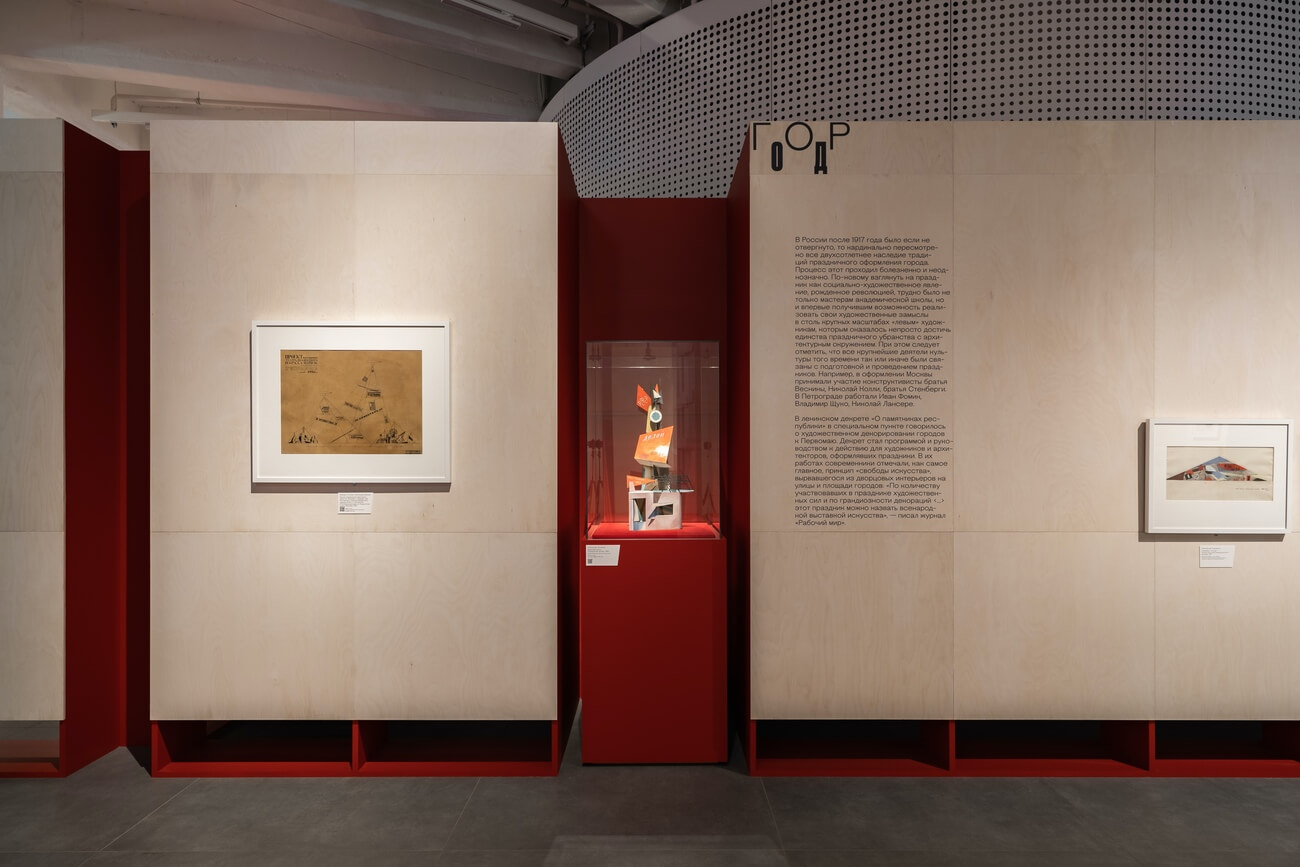
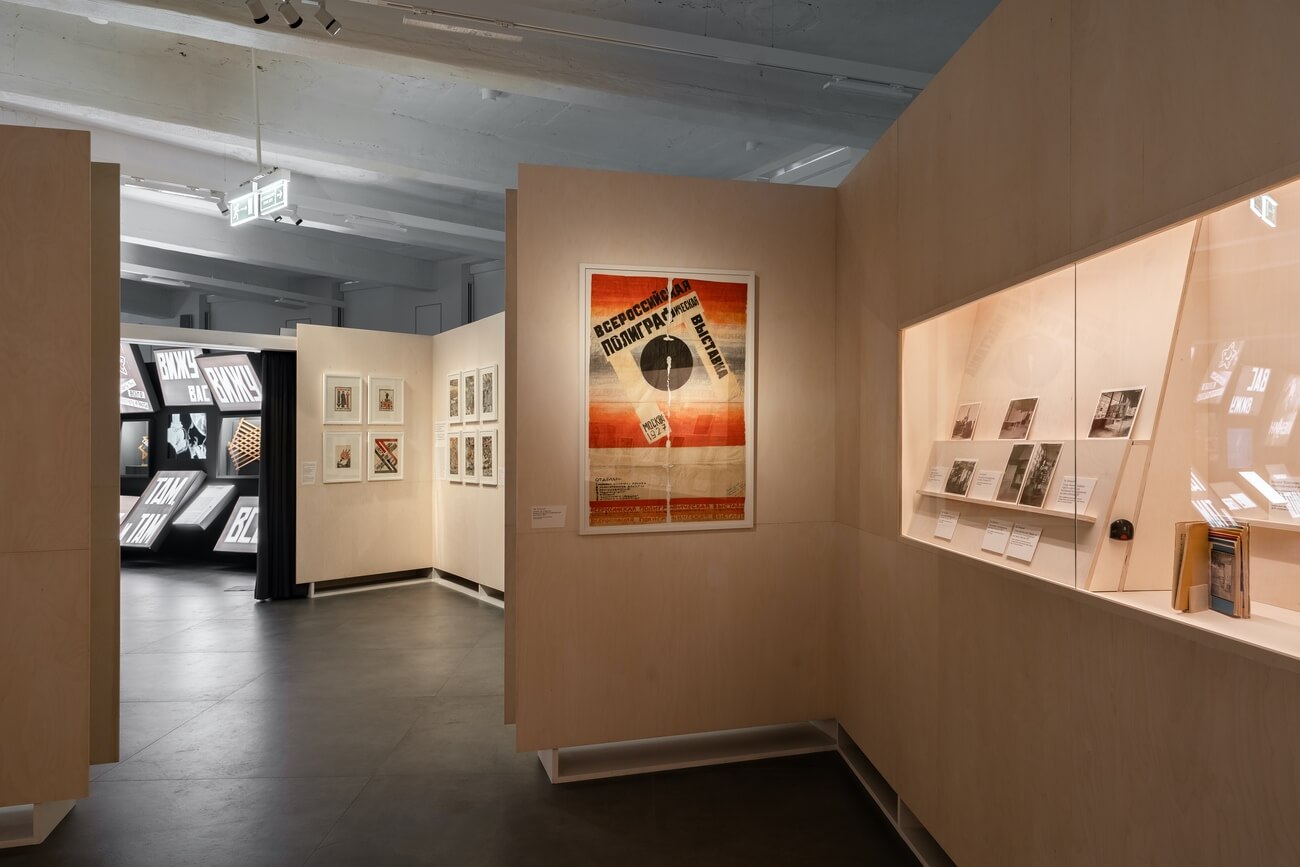
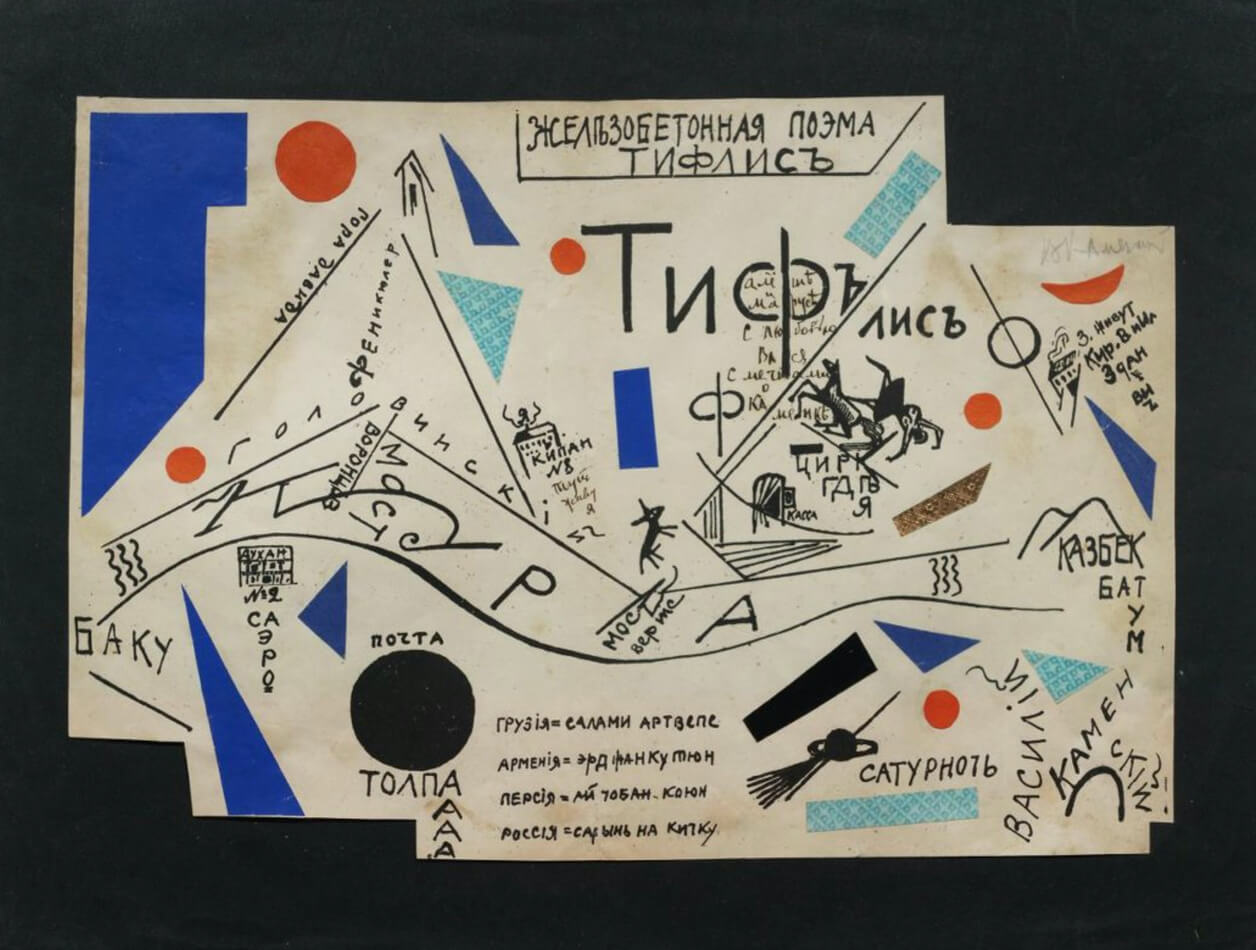
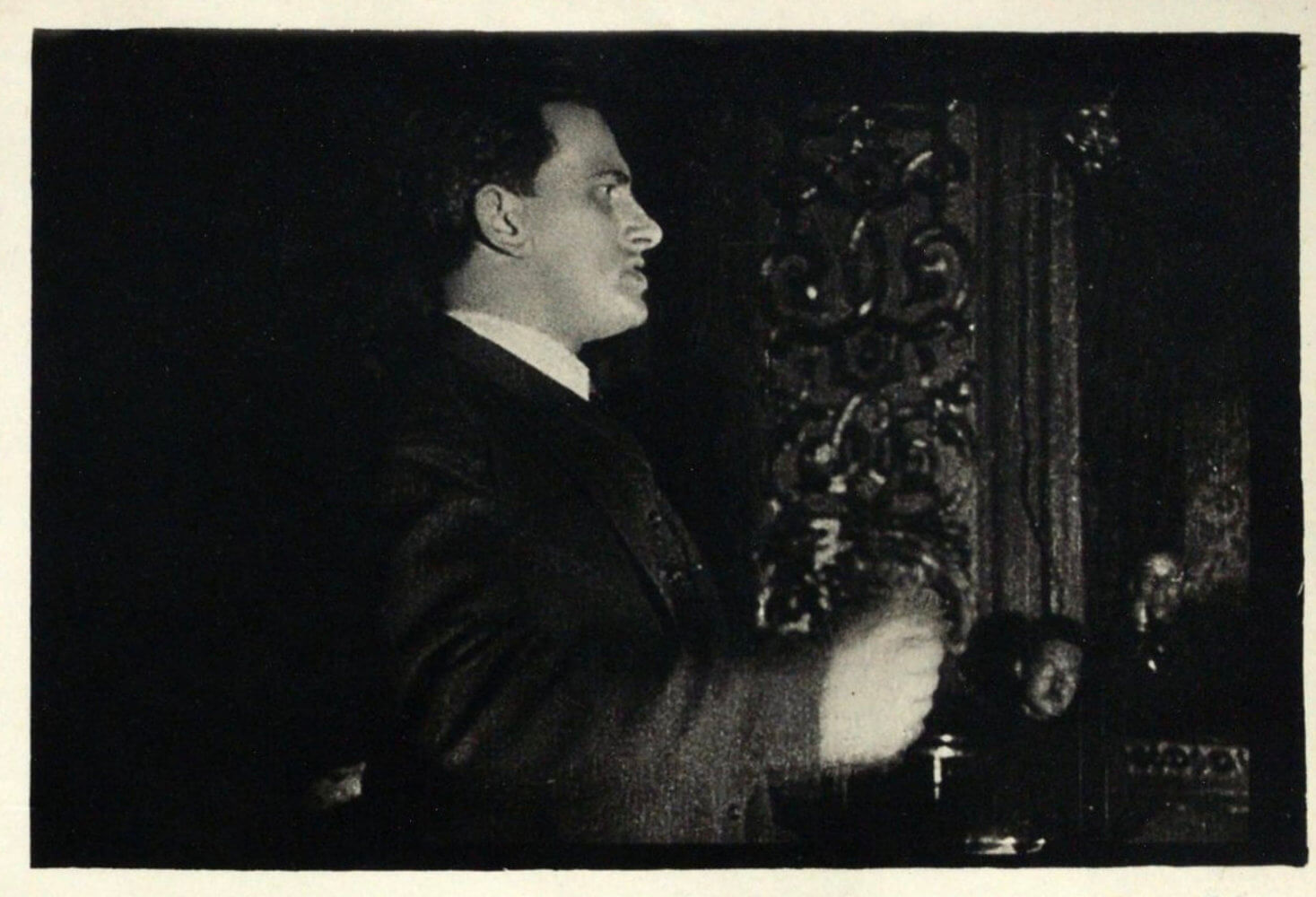
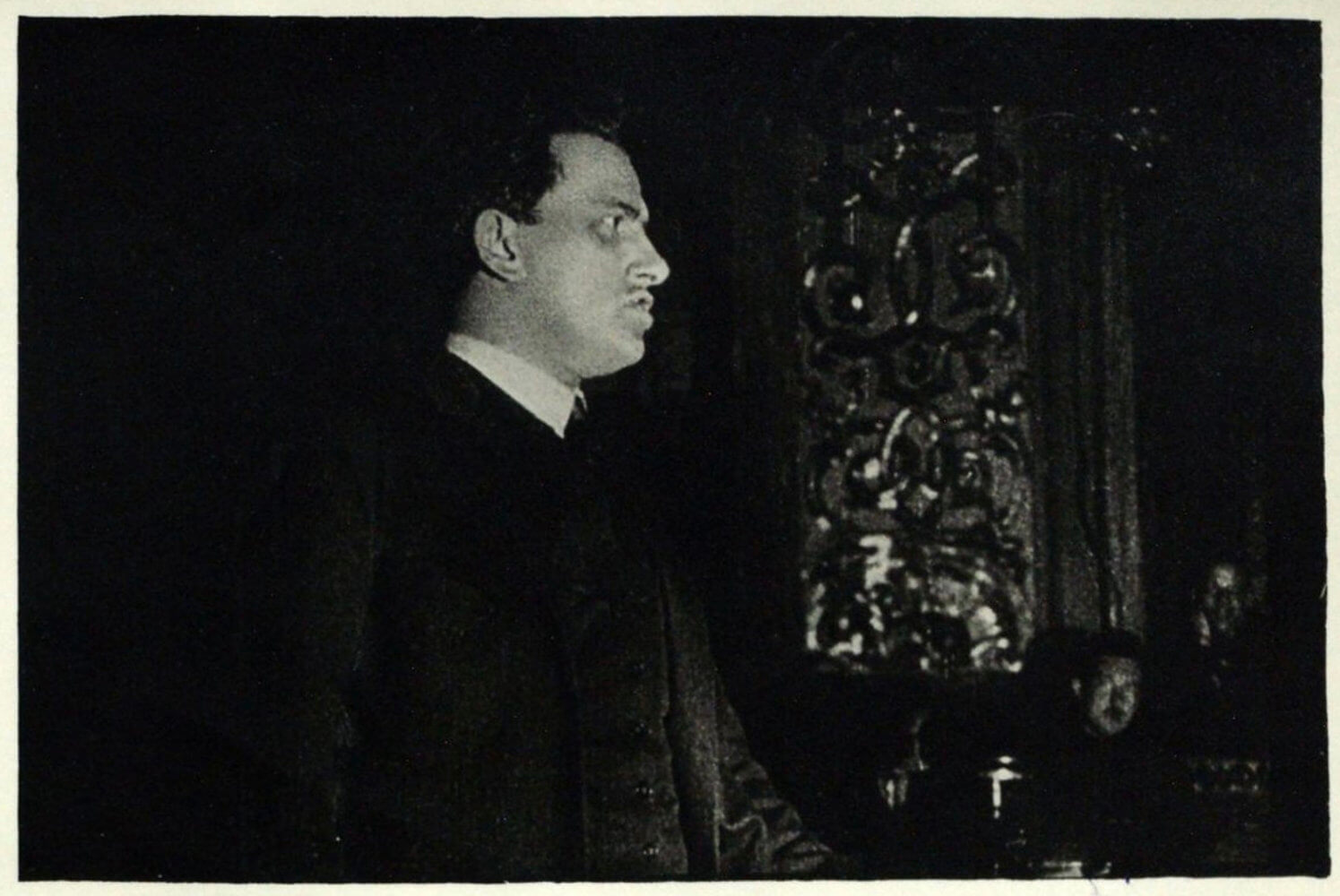
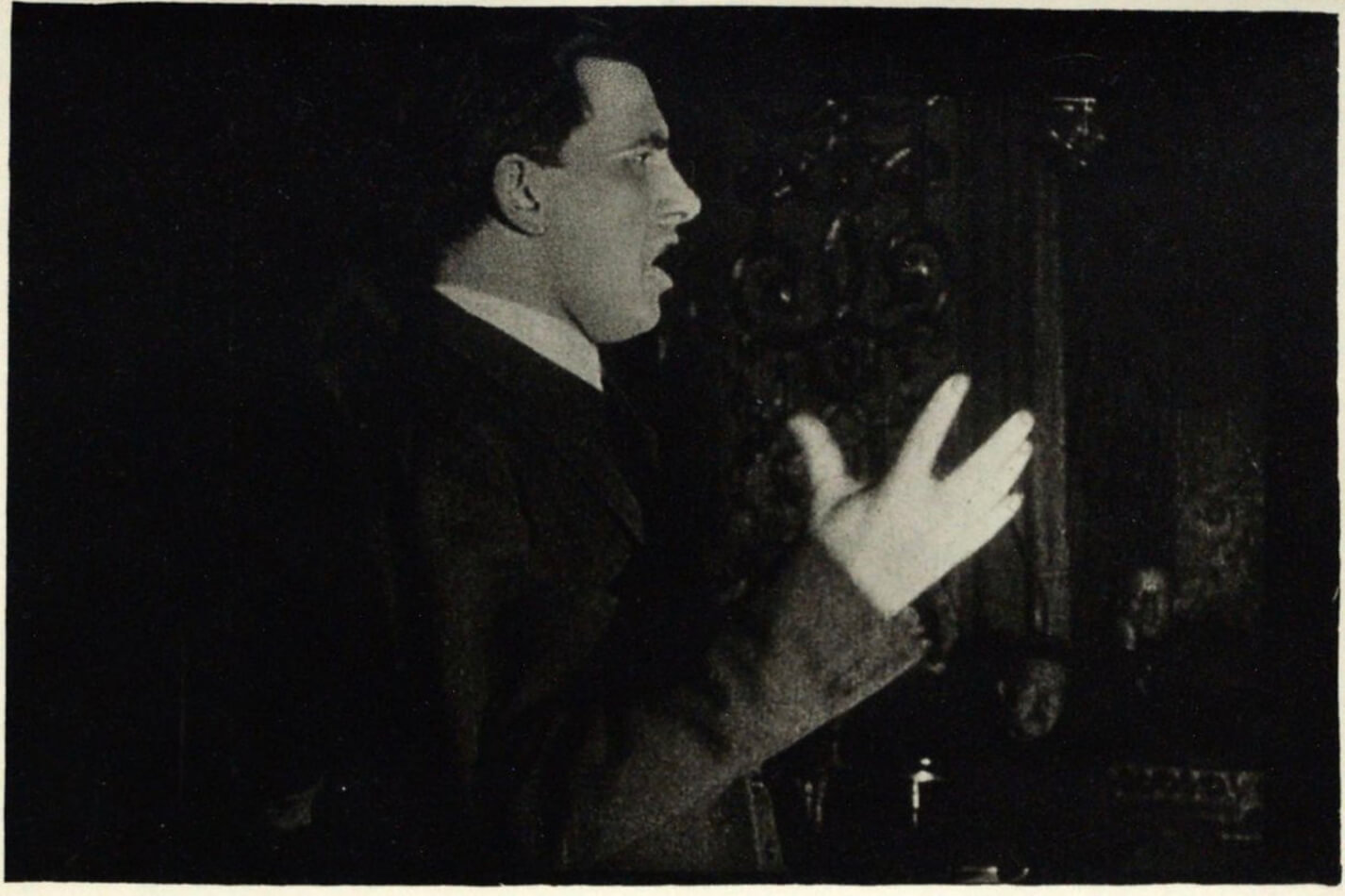
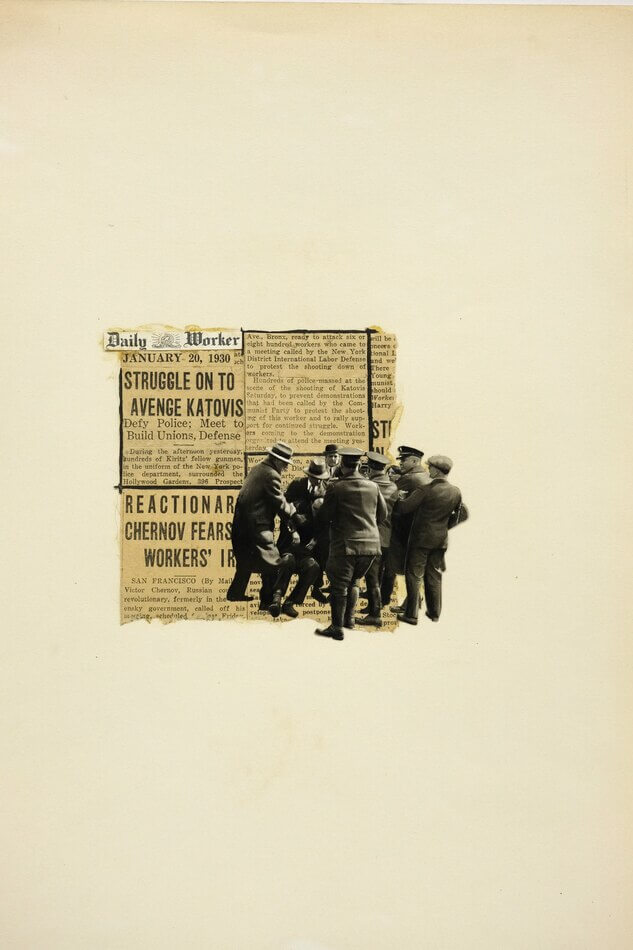
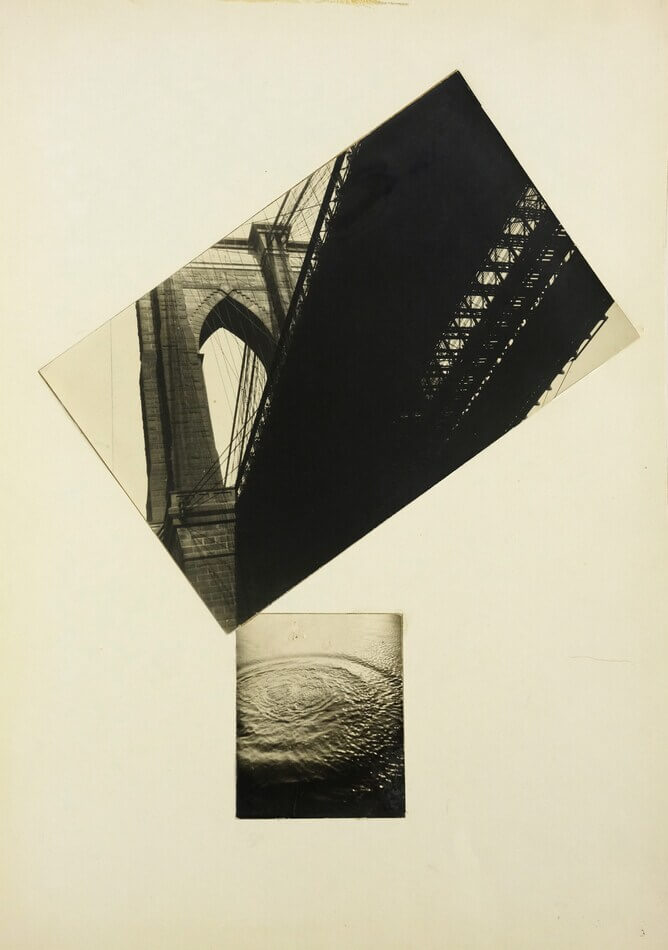
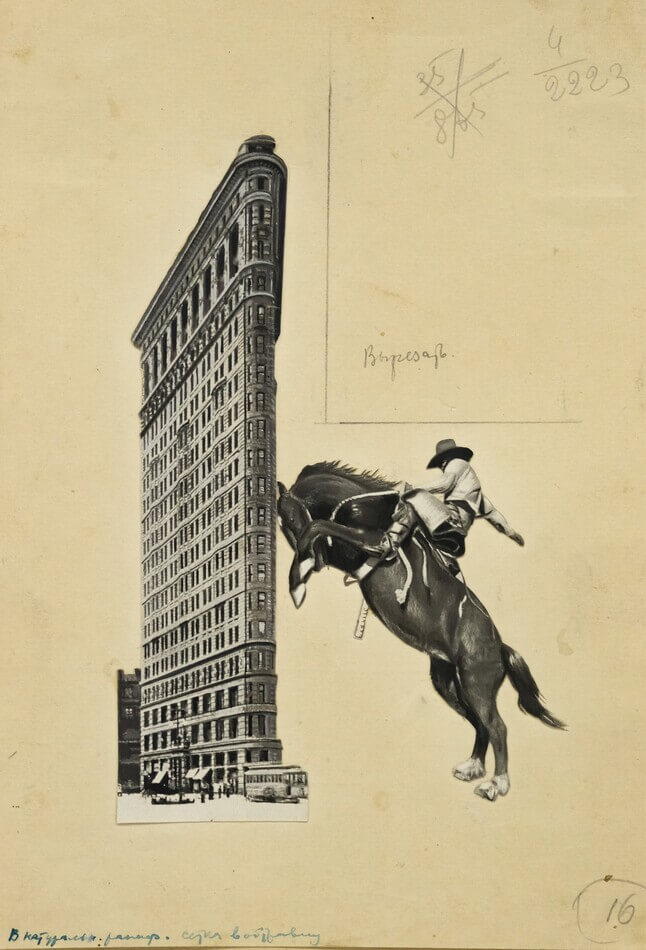
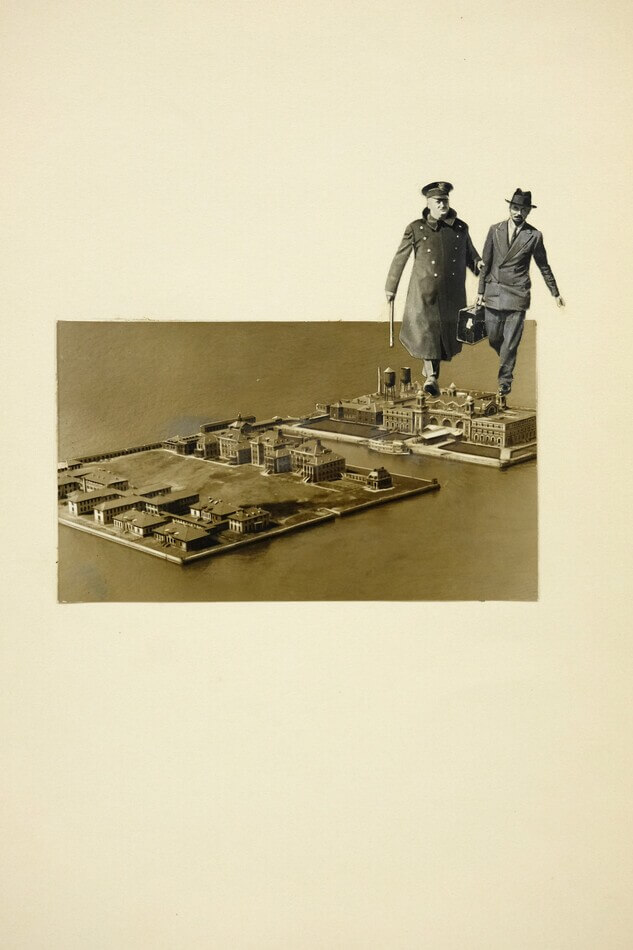
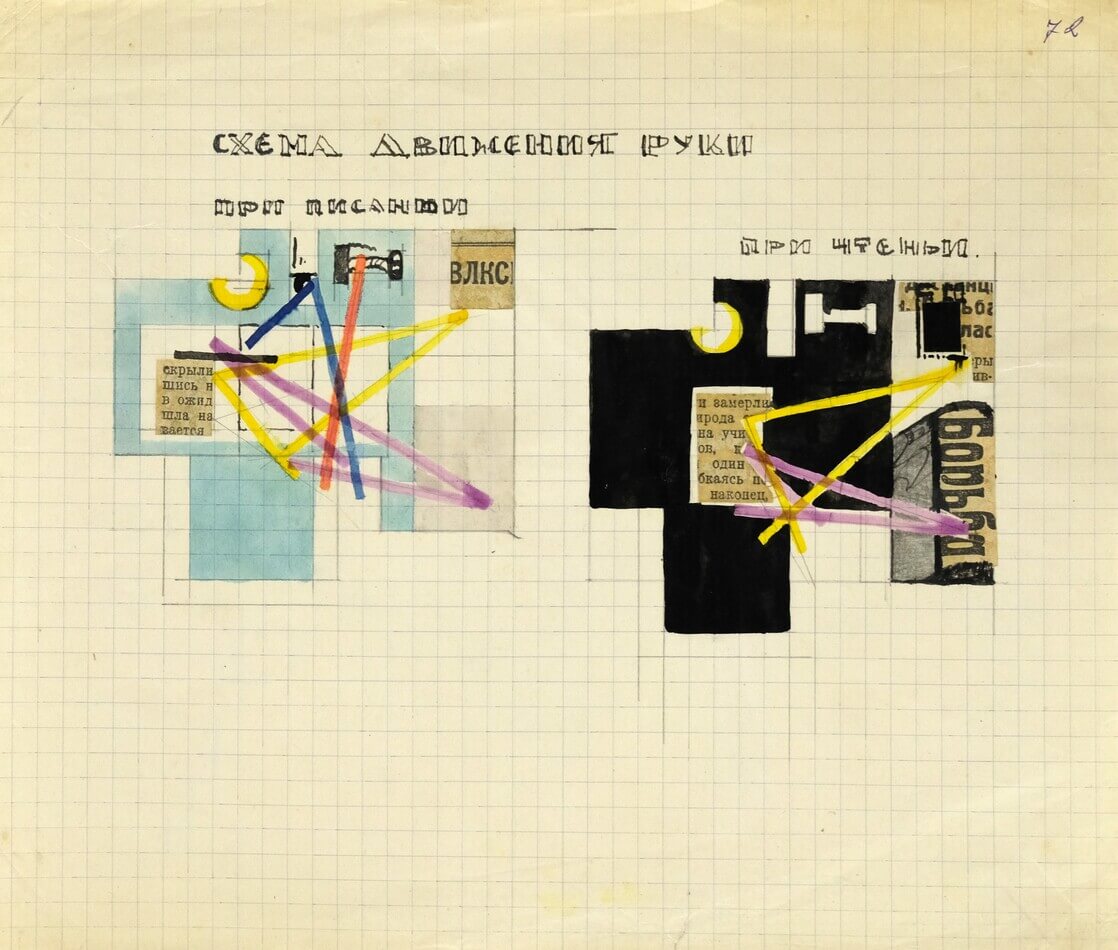
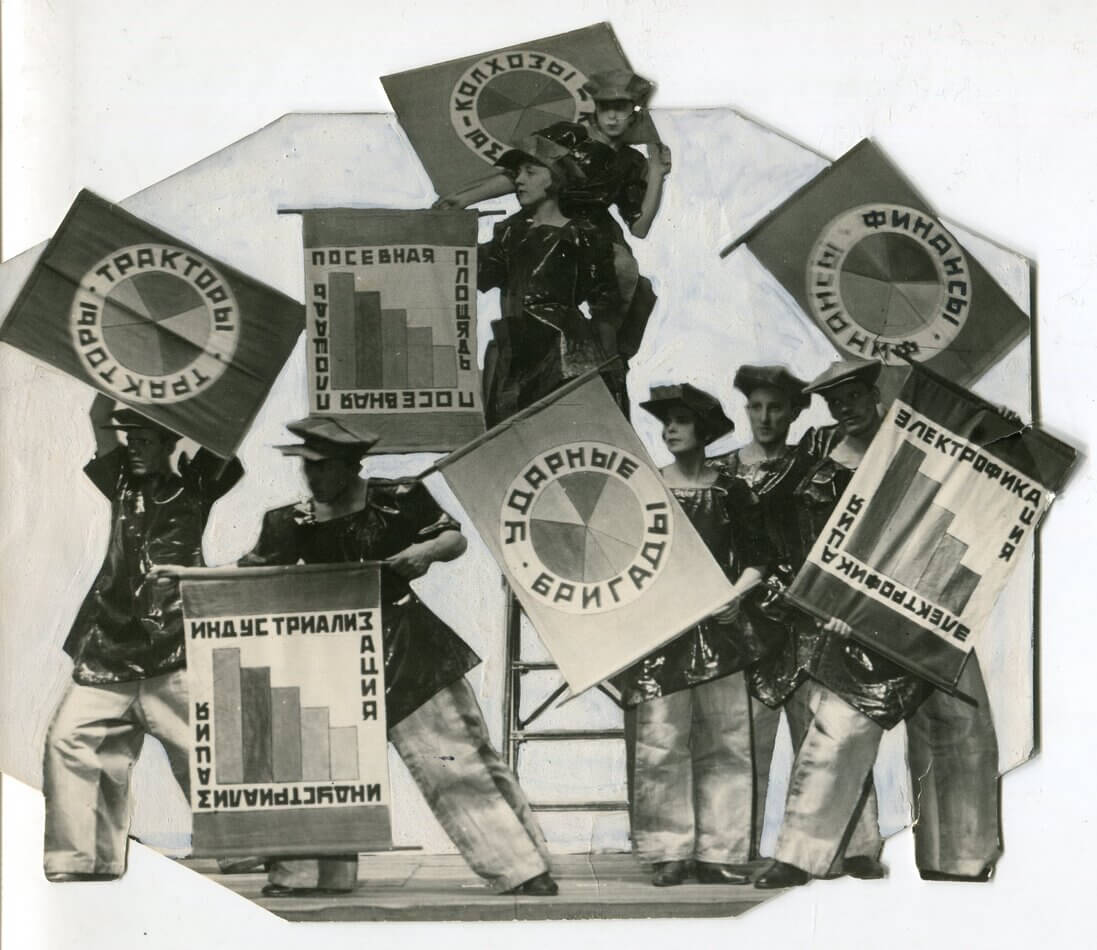
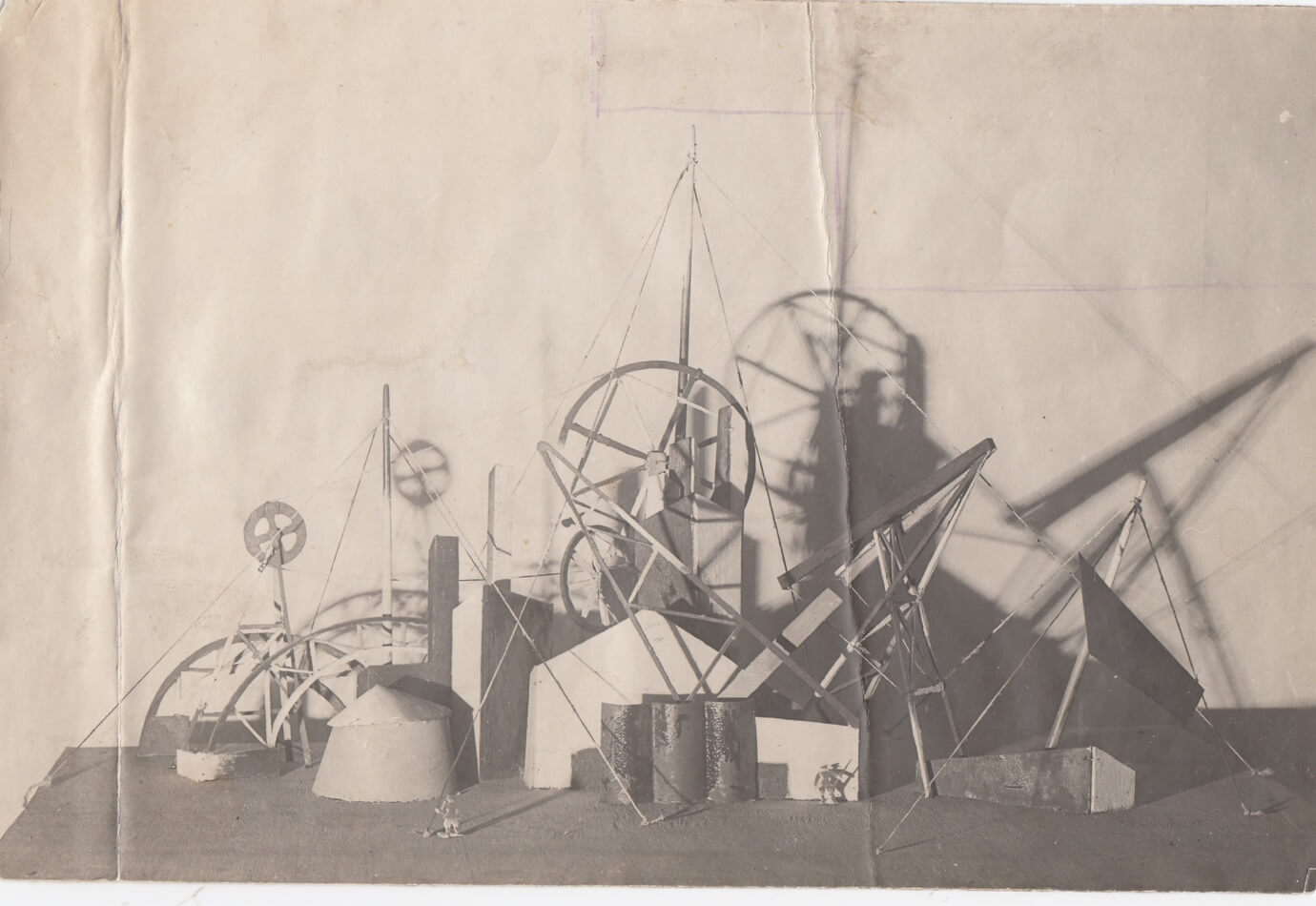
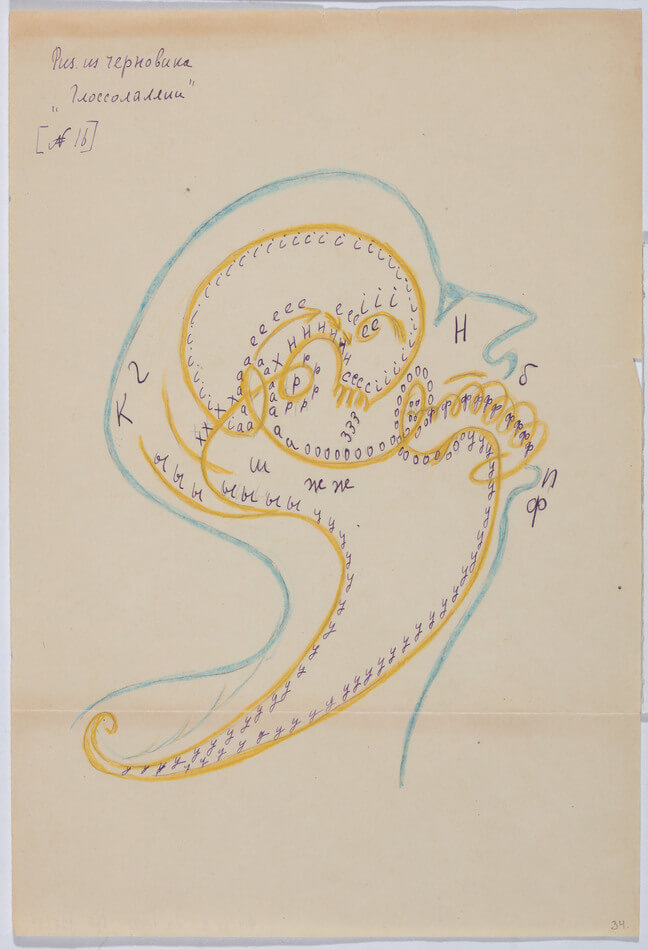
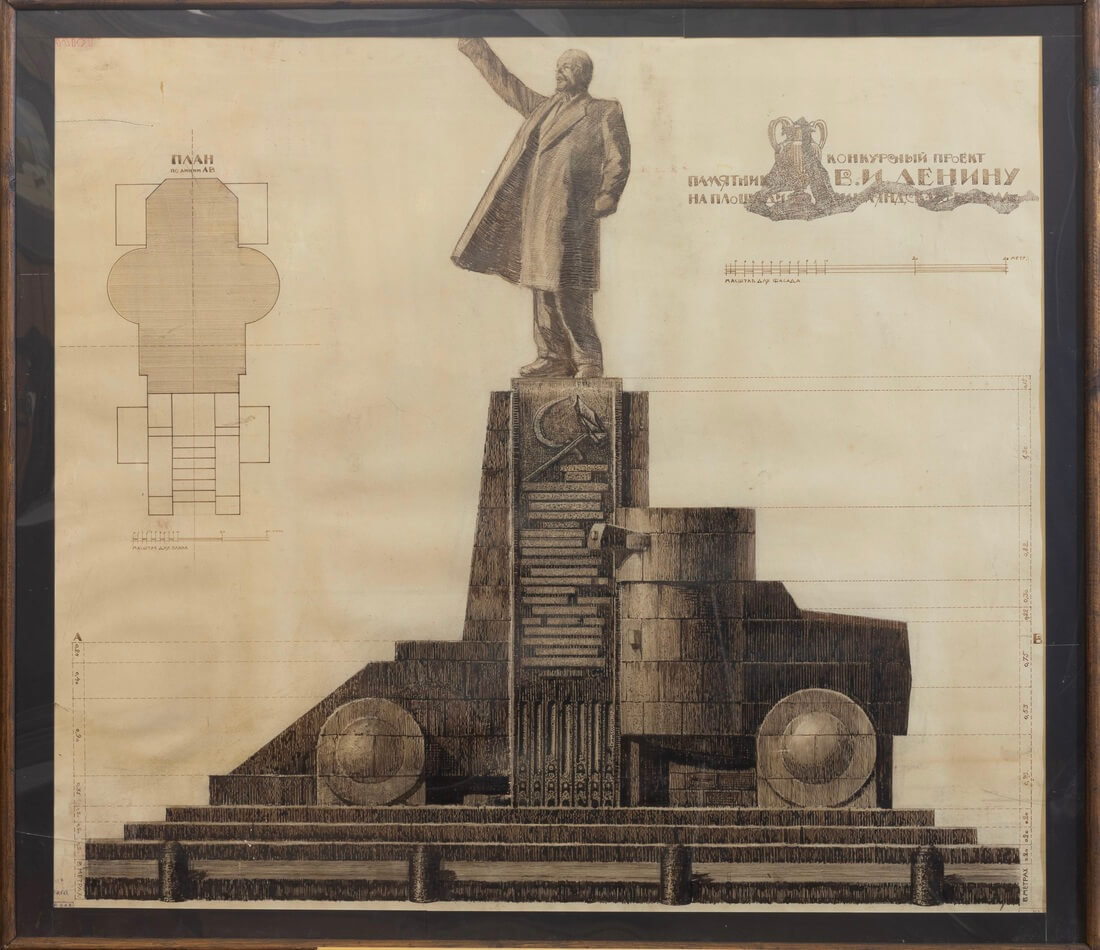
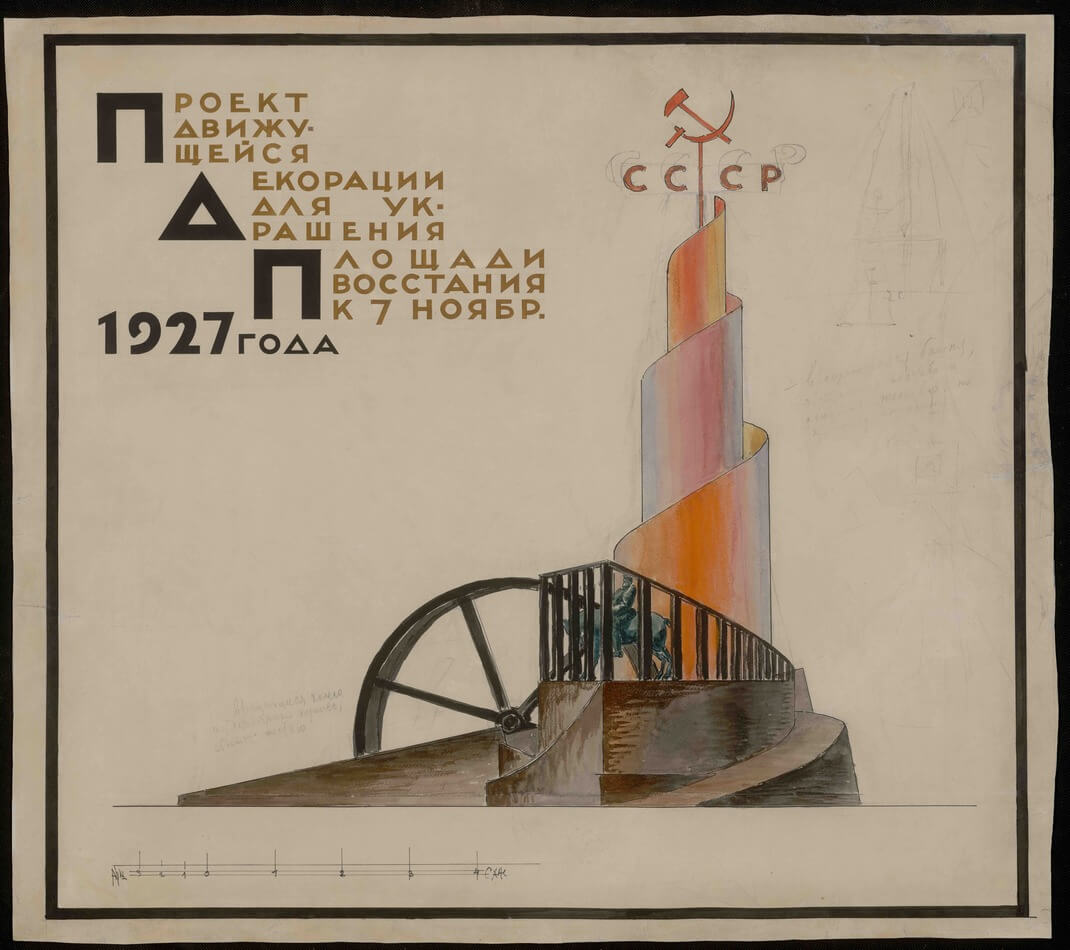
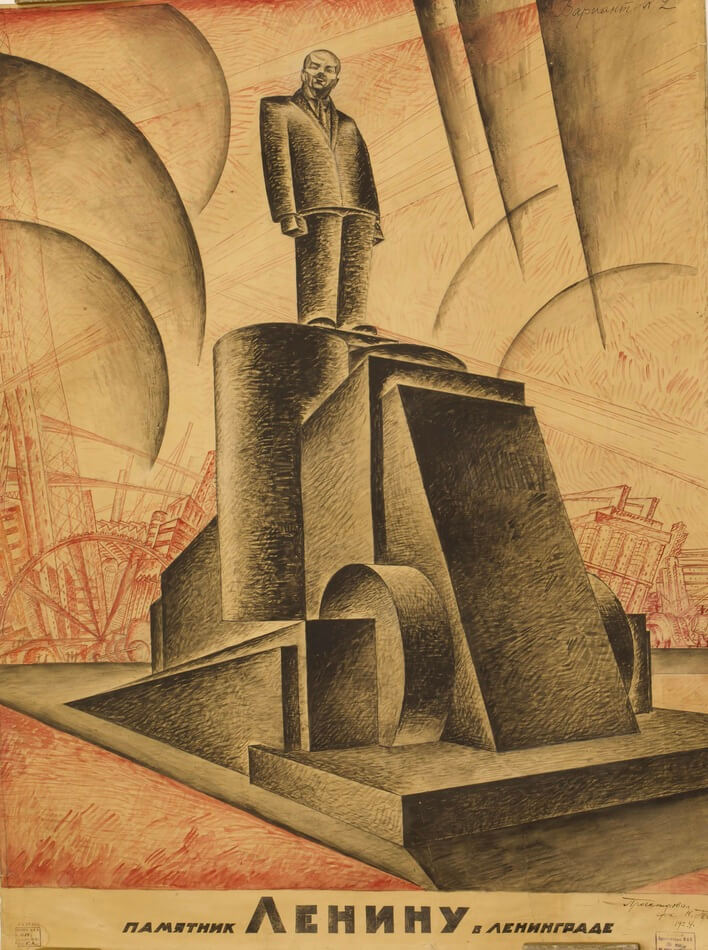
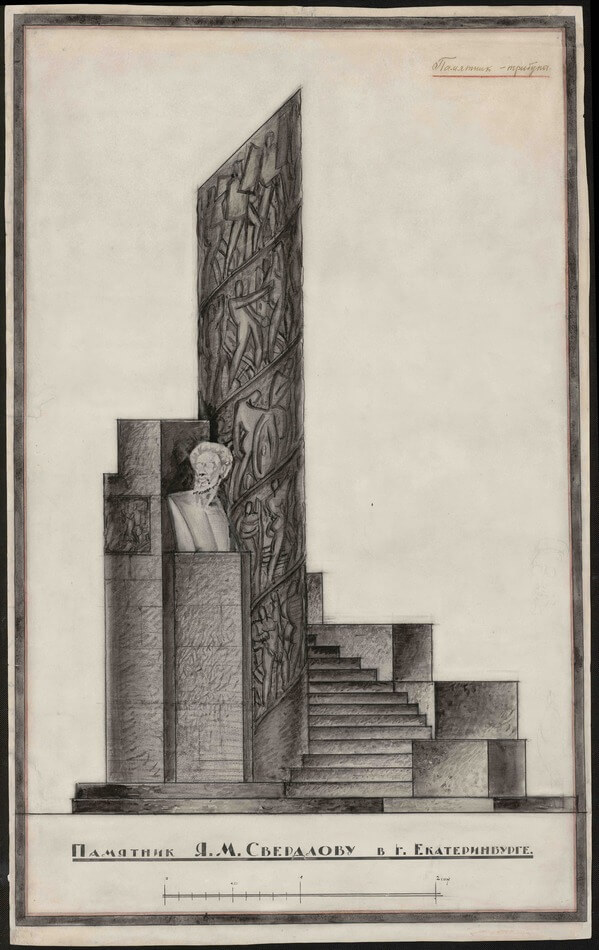
At the heart of the exhibition are virtually all forms of 1920s art that worked with language. These include city decorations, shop window and kiosk designs, agit-trains and Windows of ROSTA, avant-garde sound poetry and early news reports, ‘live newspapers’ and intertitles from experimental films, photomontages and rhythmic declamations. The curators aim to present not only finished works, but also the experimental methods and creative processes developed by Constructivist artists. Alongside finished pieces, visitors will find sketches, alternative versions, tools and printing equipment. Specially reconstructed for the exhibition are Gustav Klutsis’s radio-orator and Anton Lavinsky’s reading room, along with reprints of newspapers and posters. Also on display is the iconic poster Lengiz: Books on All Branches of Knowledge, featuring a photograph of Lilya Brik, one of the icons of avant-garde advertising with all its favourite techniques. Photographs and newsreels reveal how this revolution in the visual and auditory representation of language, along with modern technologies and evolving language policies, became part of everyday life during those years.
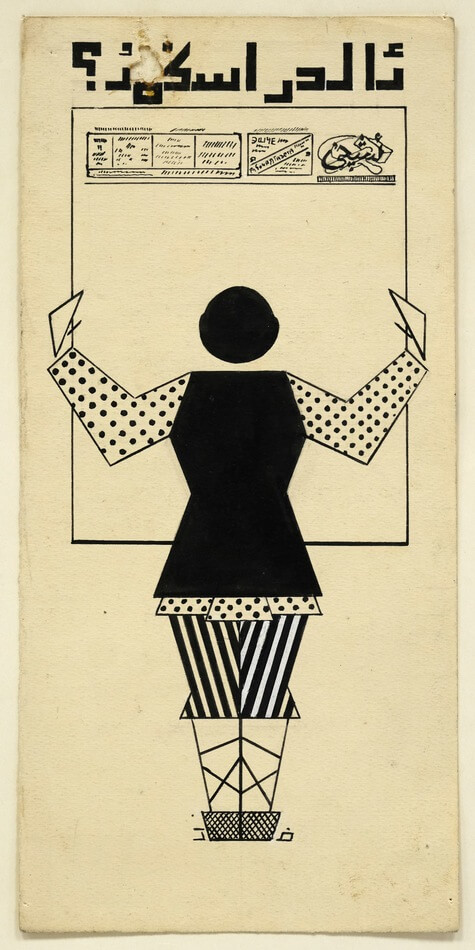
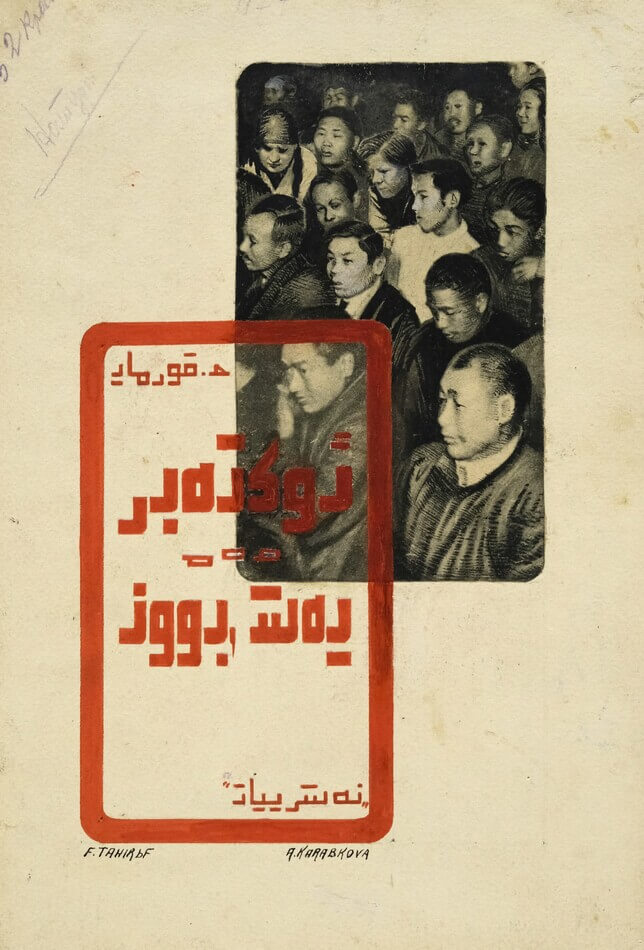
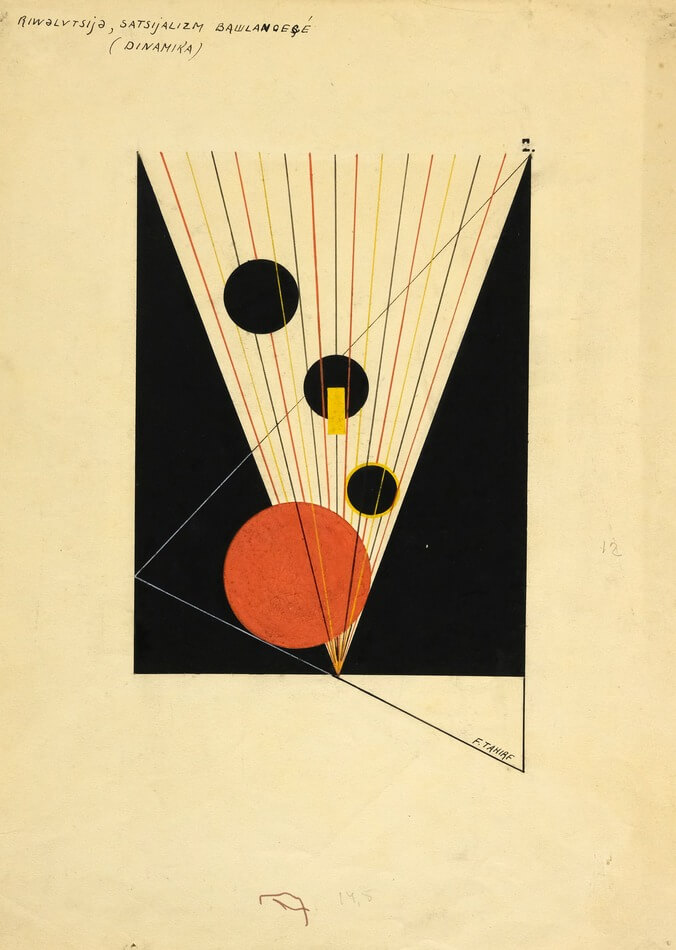
The exhibition features works by lesser-known but equally important authors, such as Faik Tagirov, Nikolai Ilyin, Elbrus Gutnov, Elena Semyonova and previously unseen handwritten posters for the Tenth State Exhibition, which became historic for the confrontation between Anti (Alexander Rodchenko) and Kazimir Malevich.
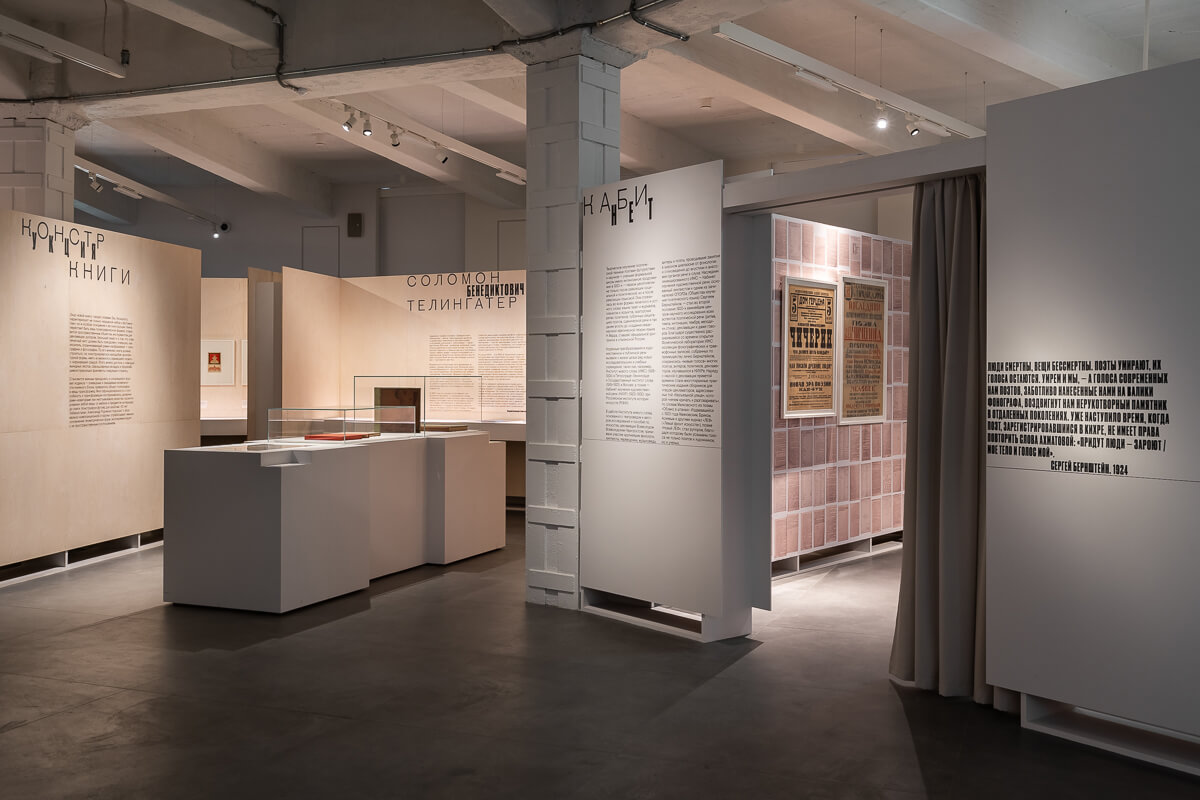
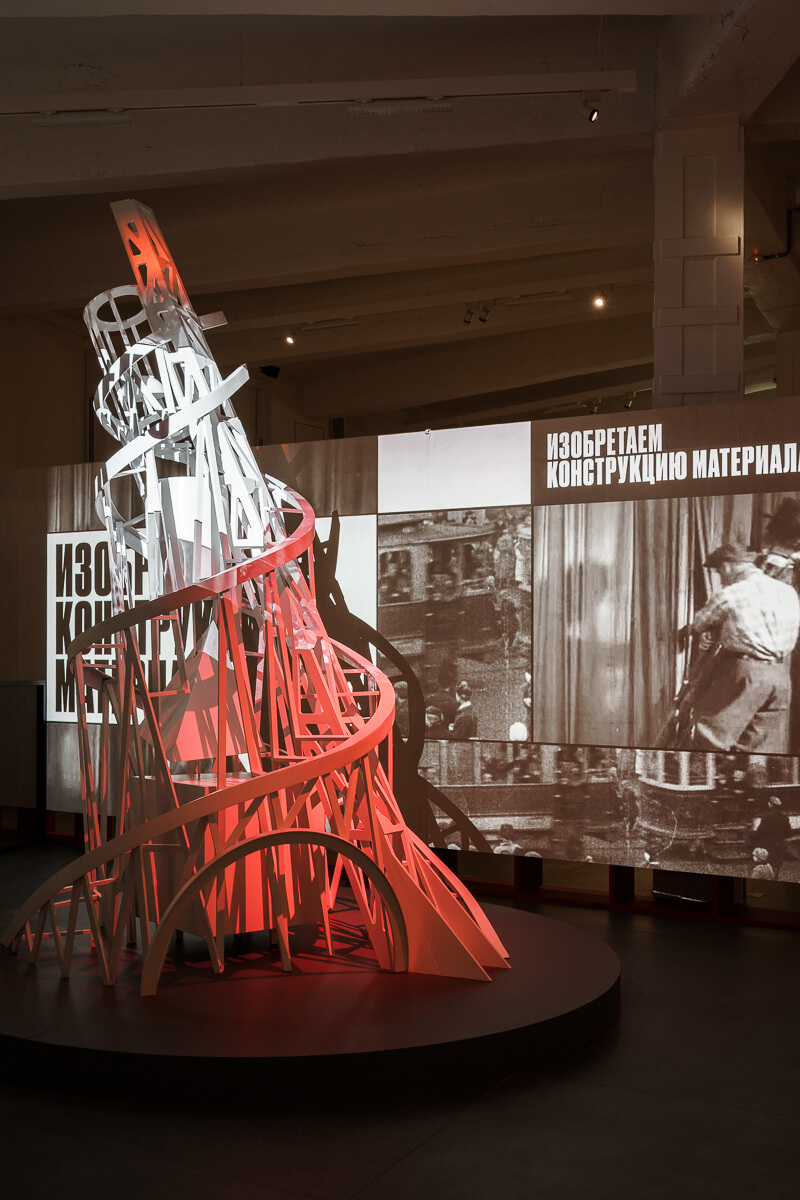
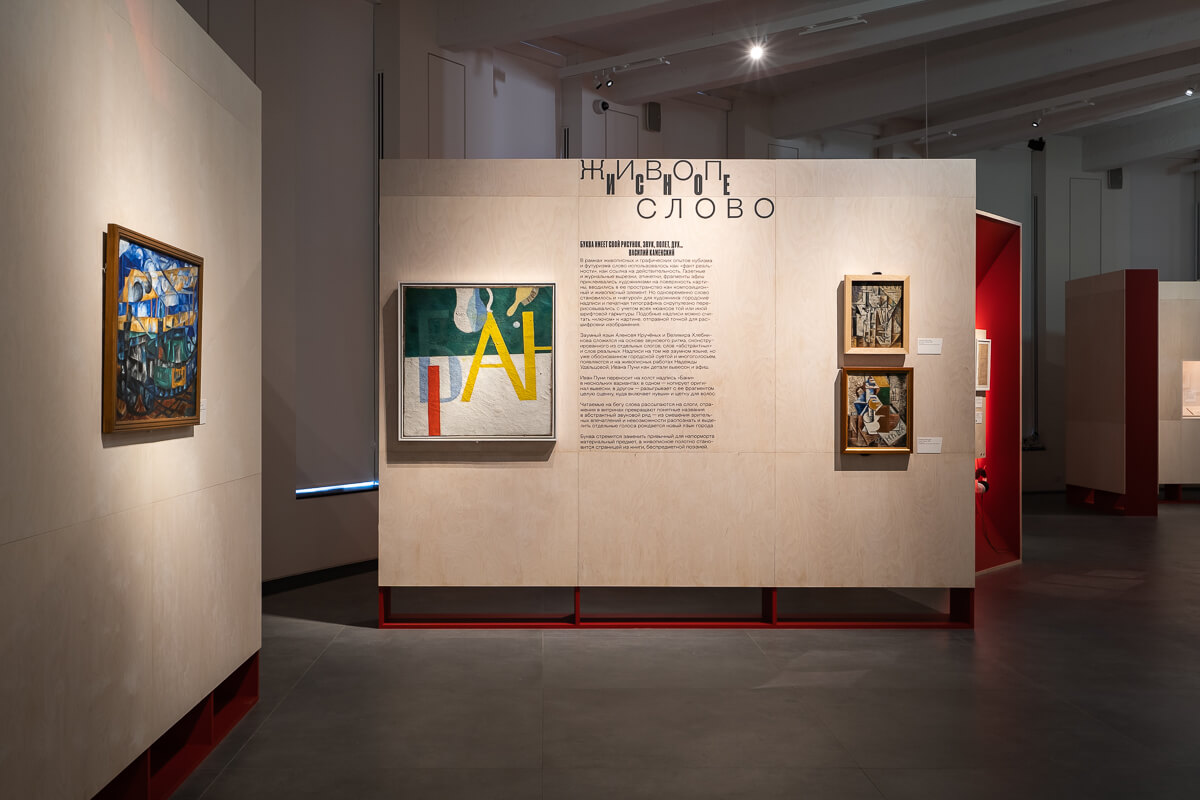
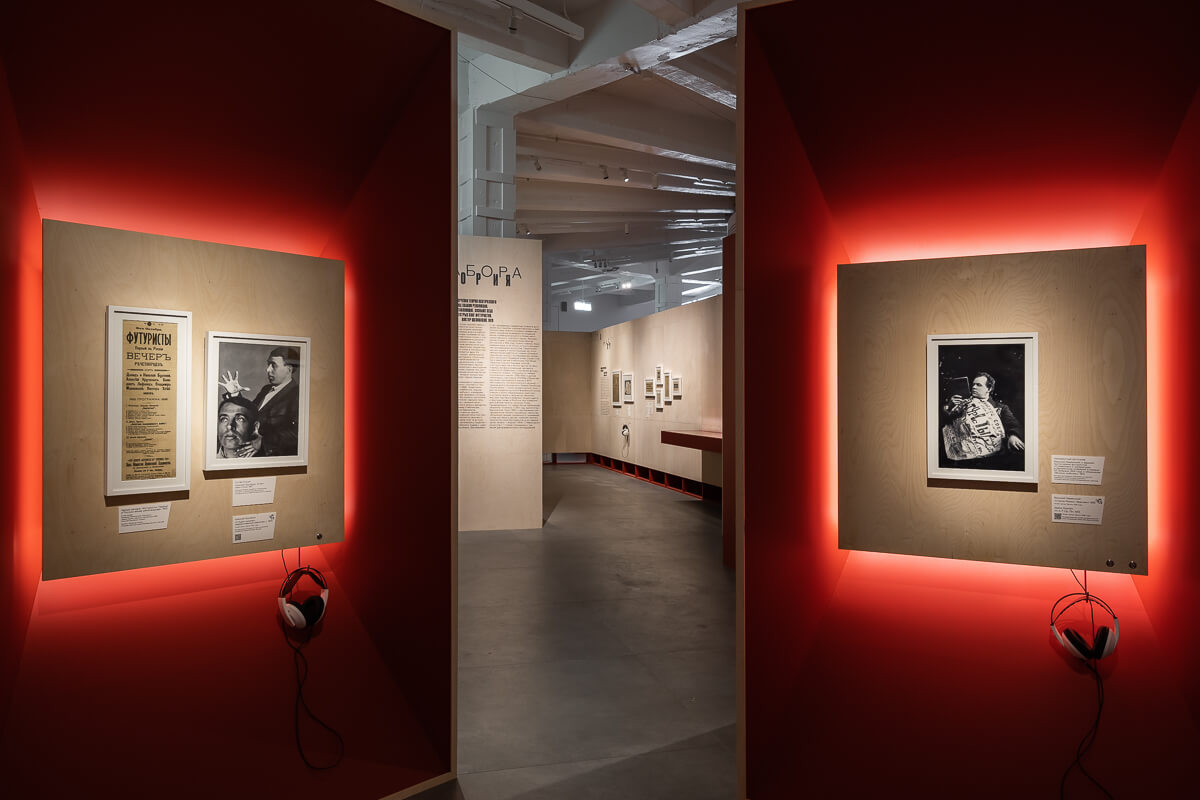
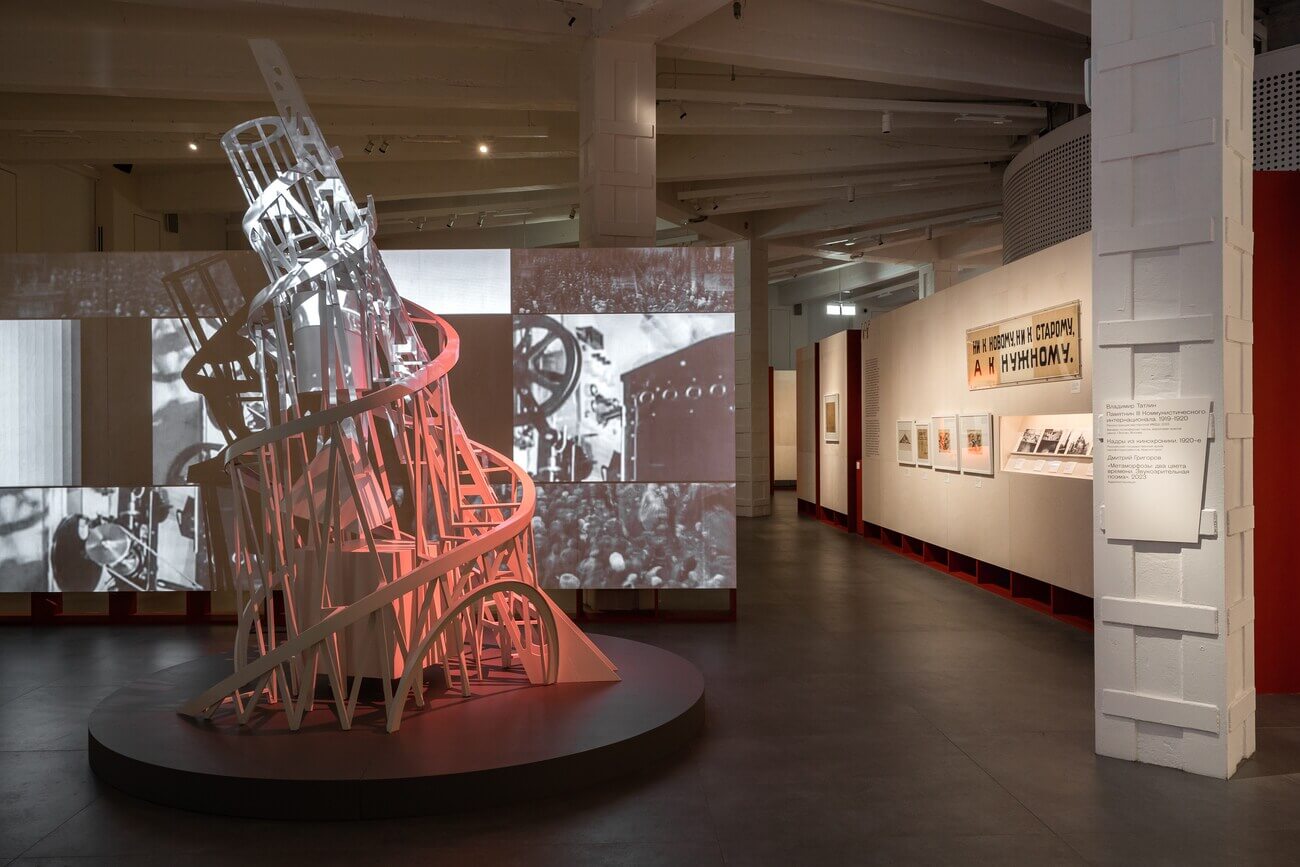
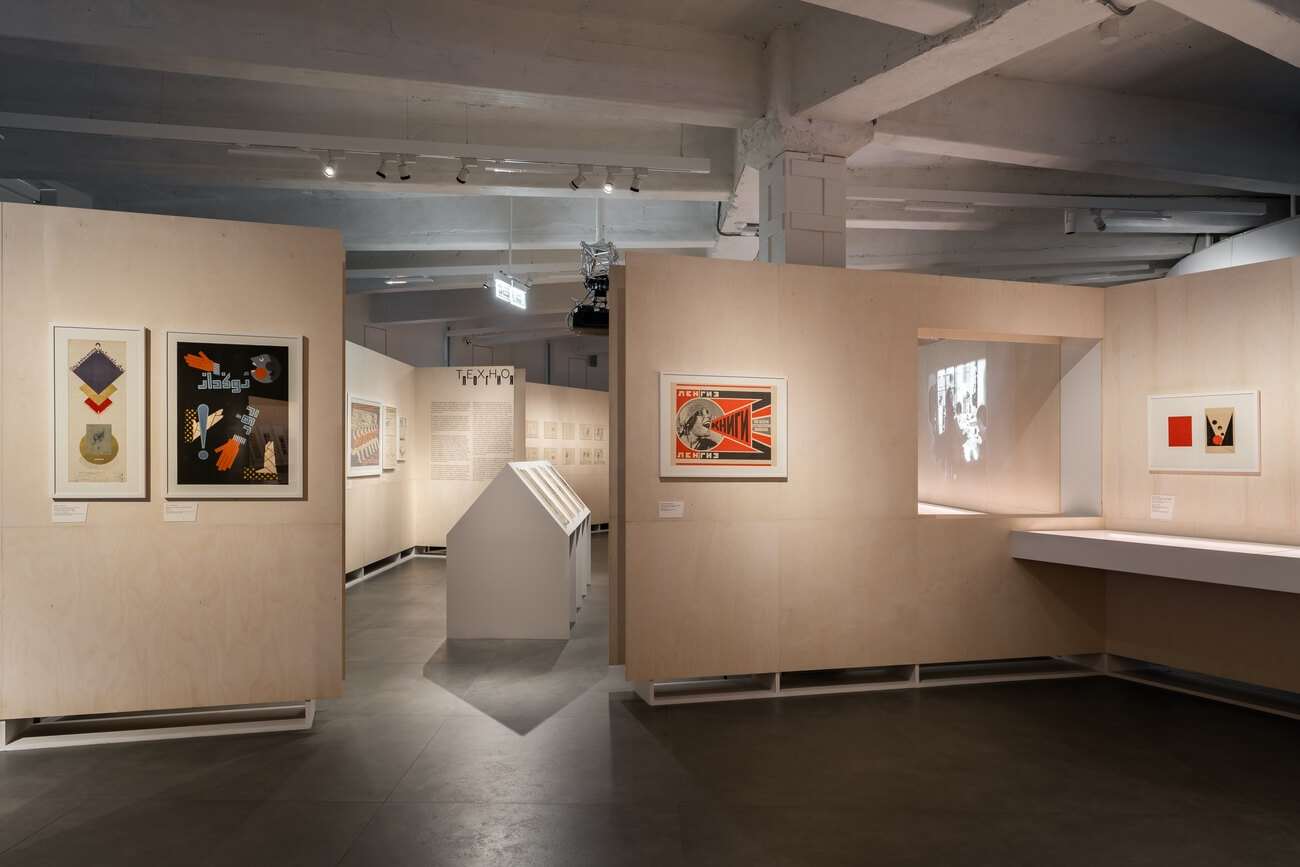
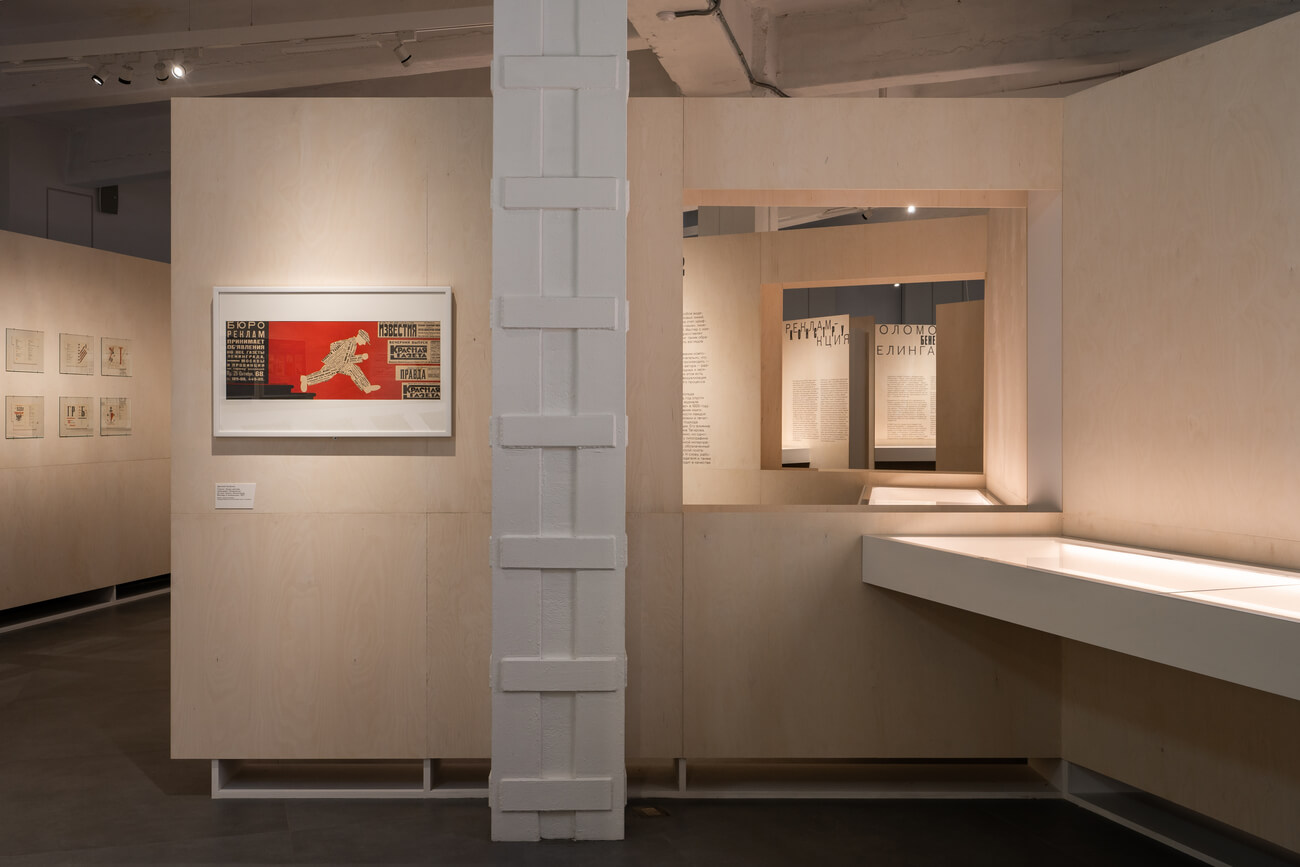
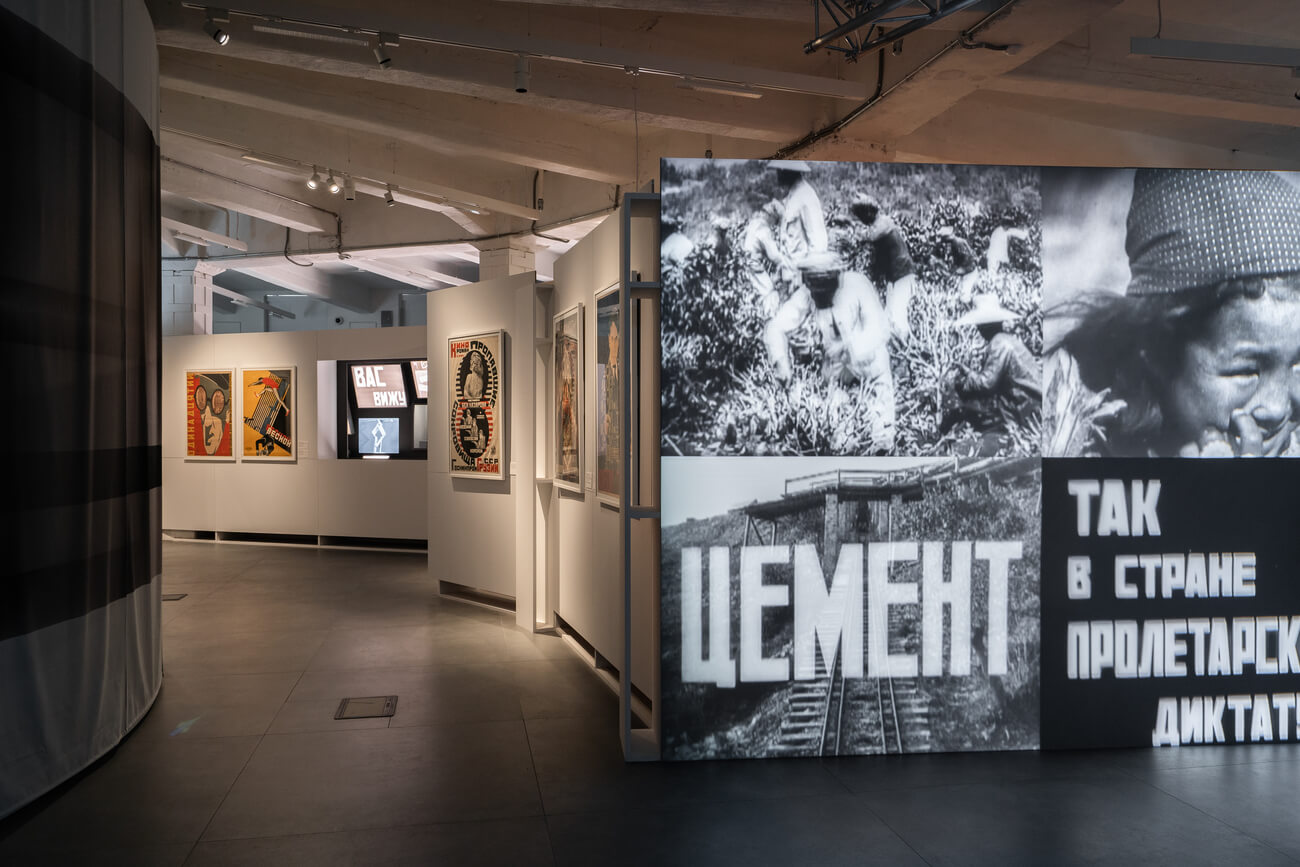
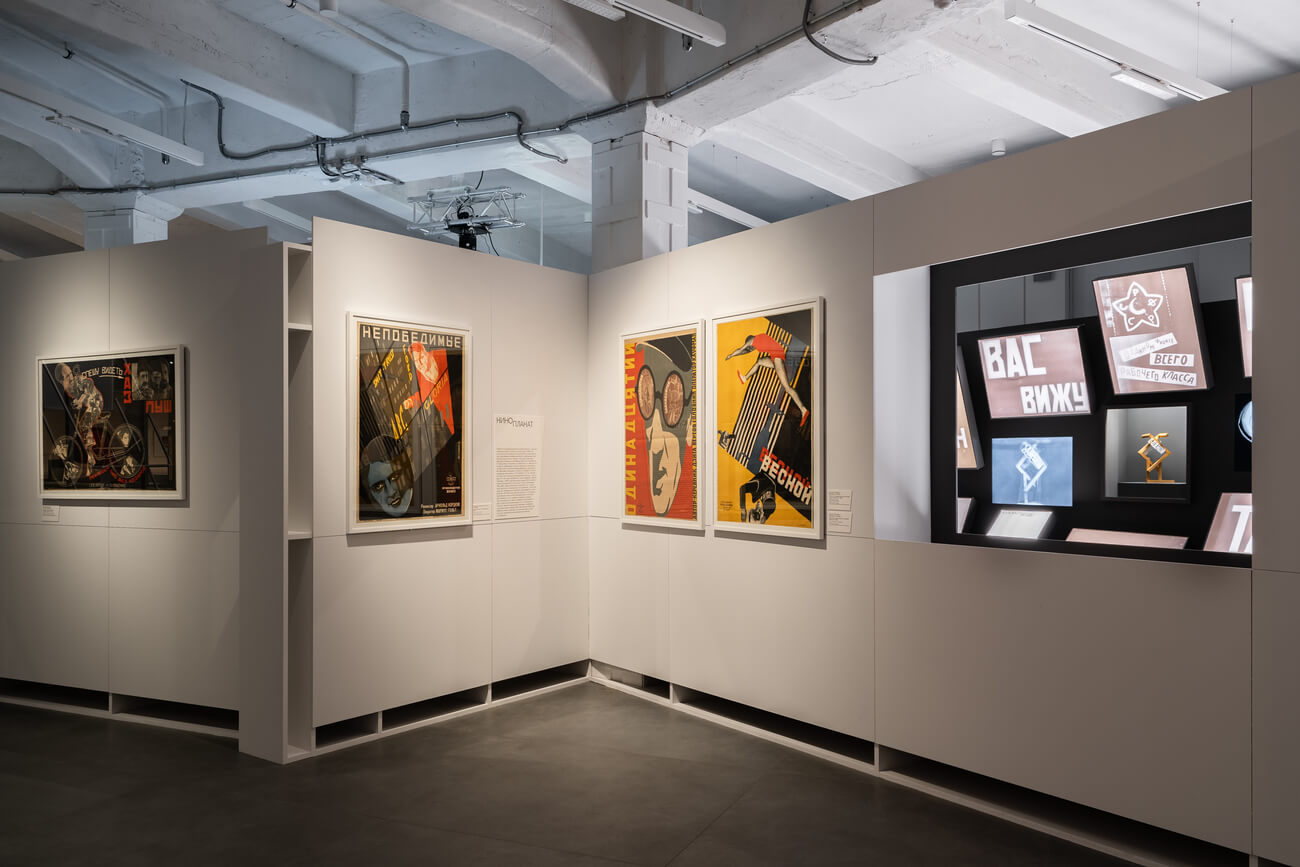
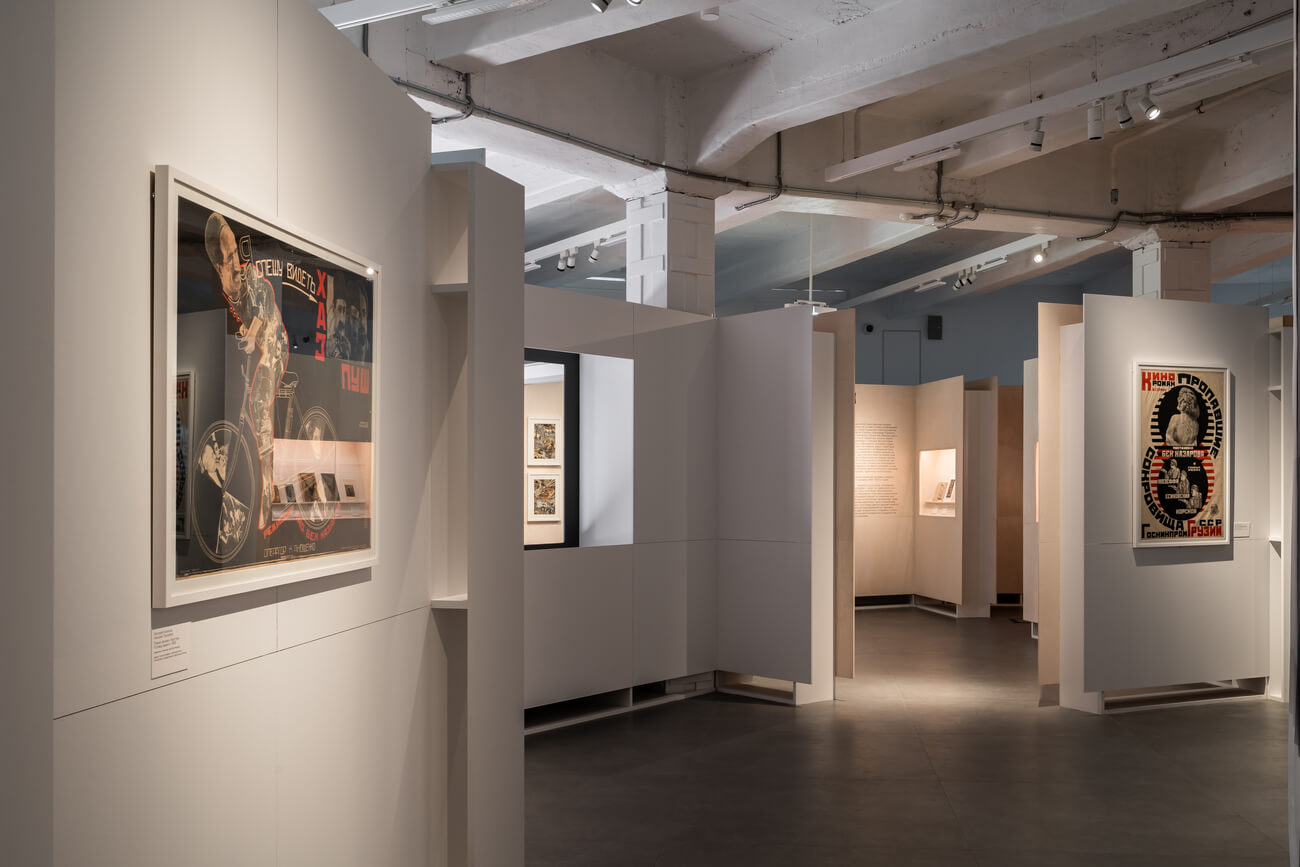
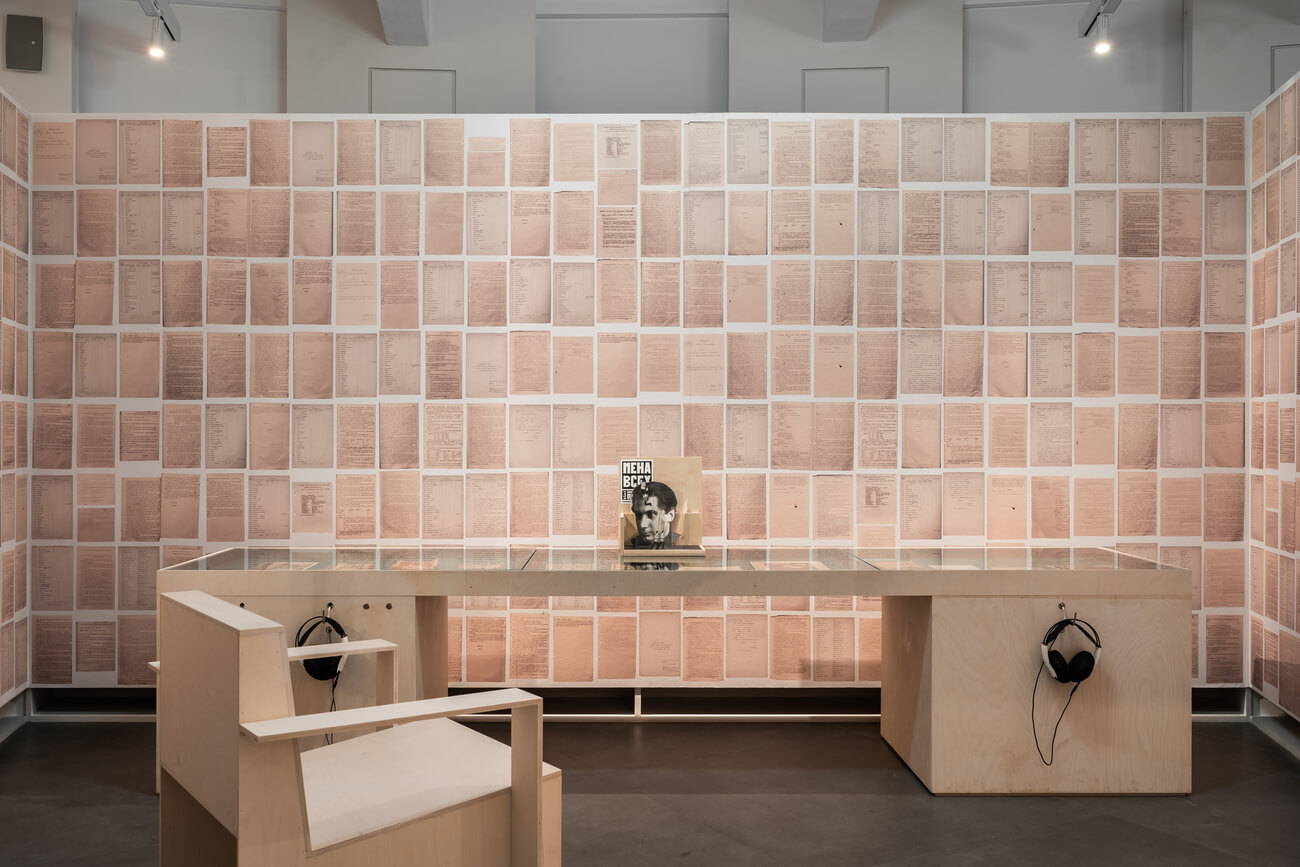
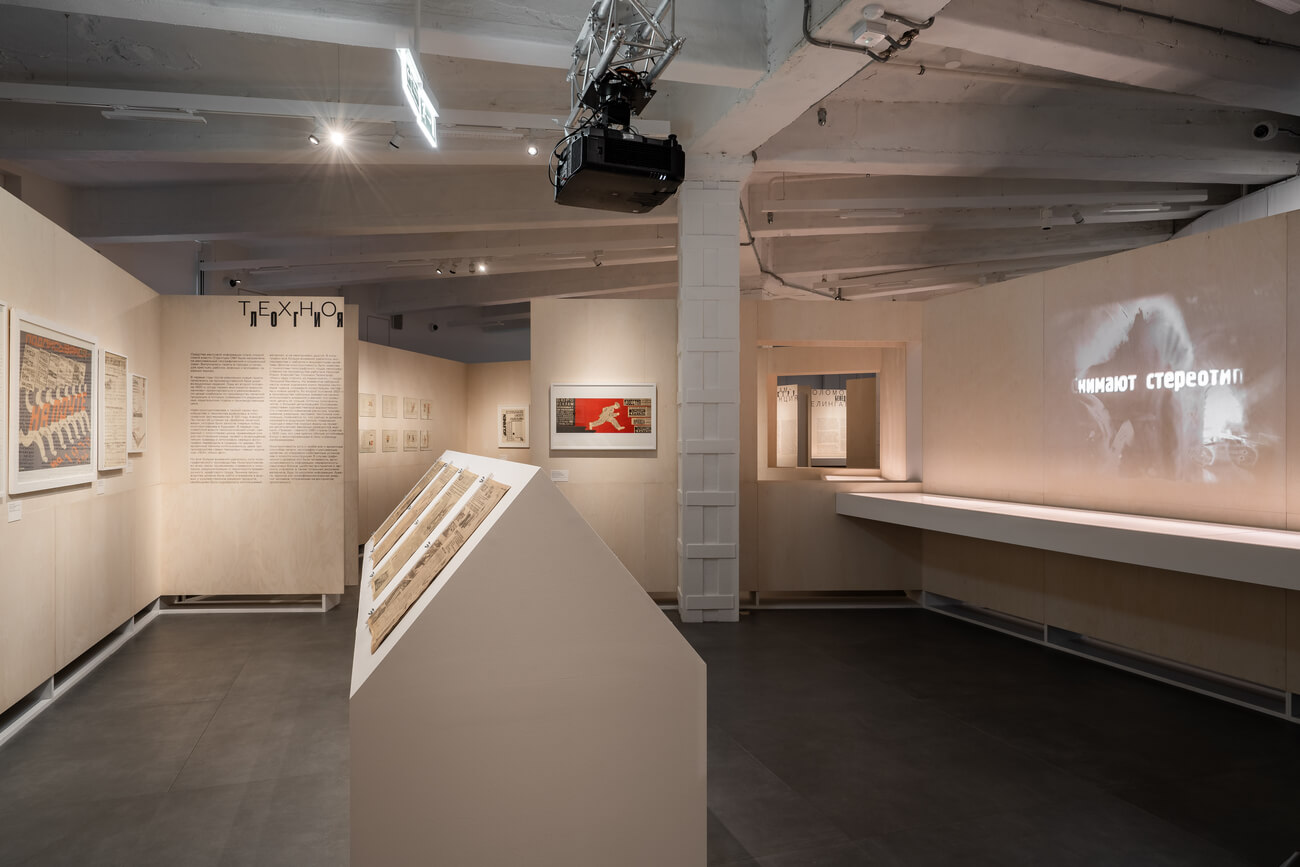
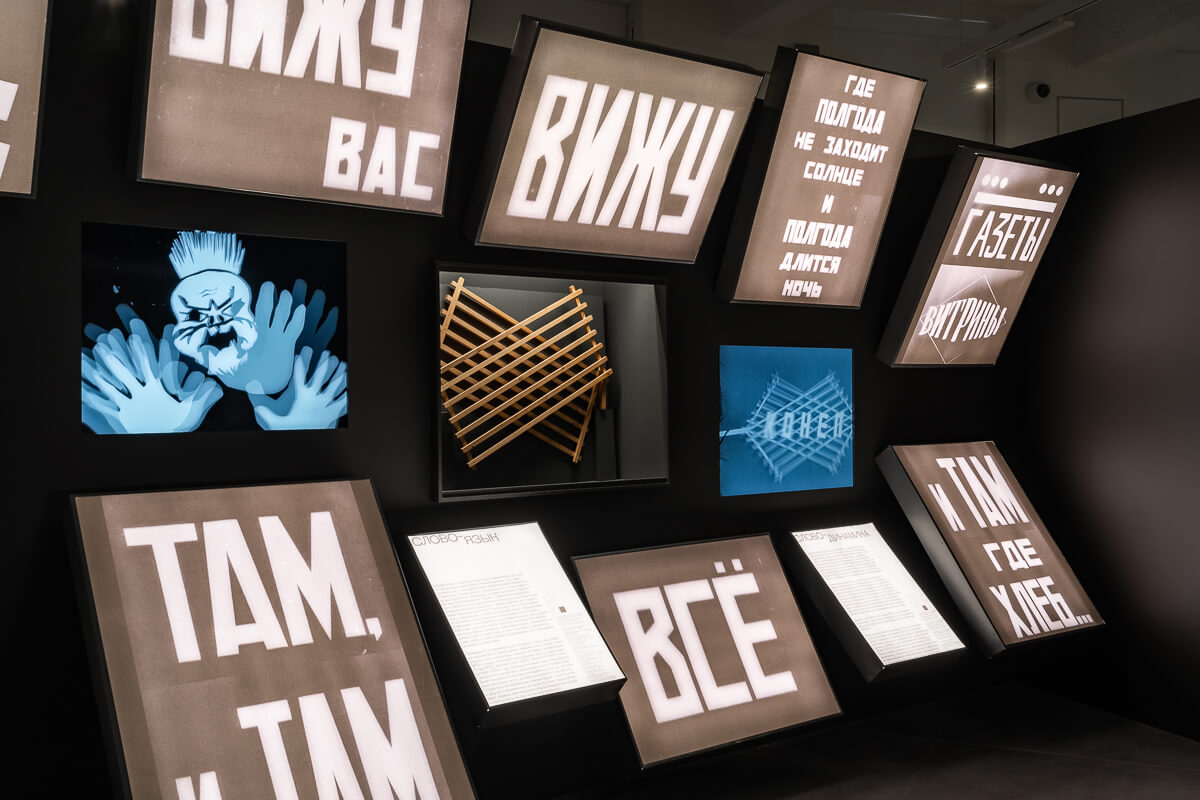


Special attention is given to the theme of cinema: intertitles and film posters from the early twentieth century create striking images and reveal the issues of the time. After the February Revolution of 1917, the development of silent cinema’s linguistic tools was dramatically accelerated and refined. Artists sought new means of expression through montage and intertitle design. The words on screen ceased to be merely illustrative; they became an integral part of the film’s meaning and artistic composition. Through clever wordplay, viewers were invited to look at life on the screen from a different angle, and the Constructivists demonstrated that intertitles are an art form in their own right.
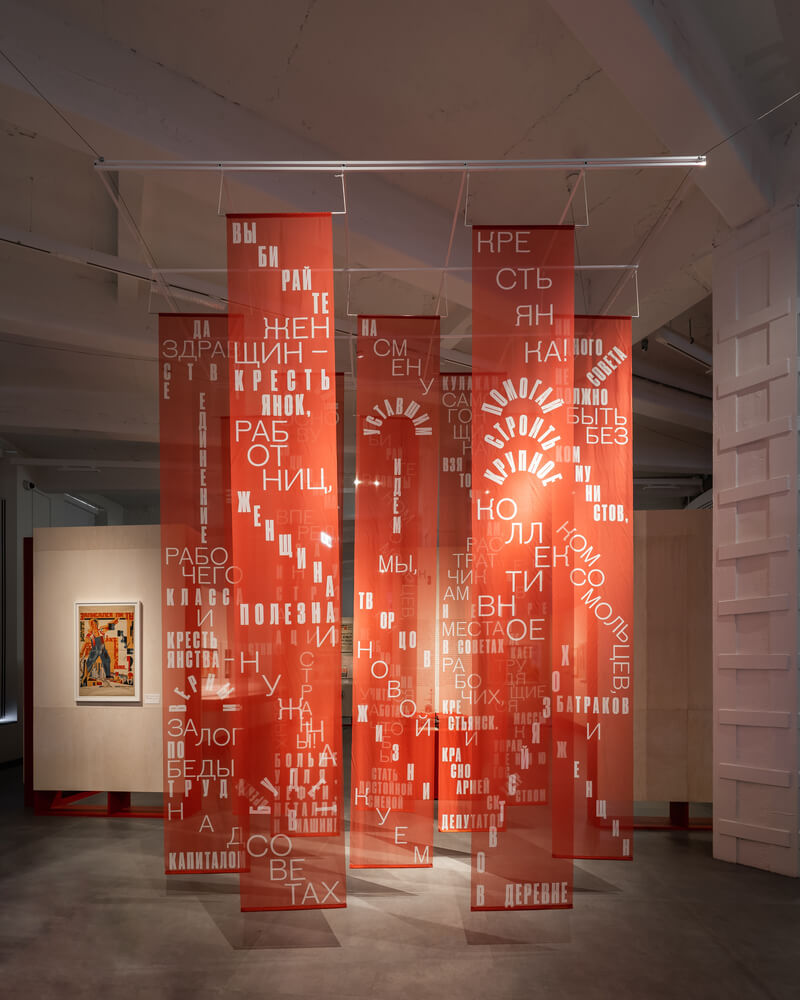
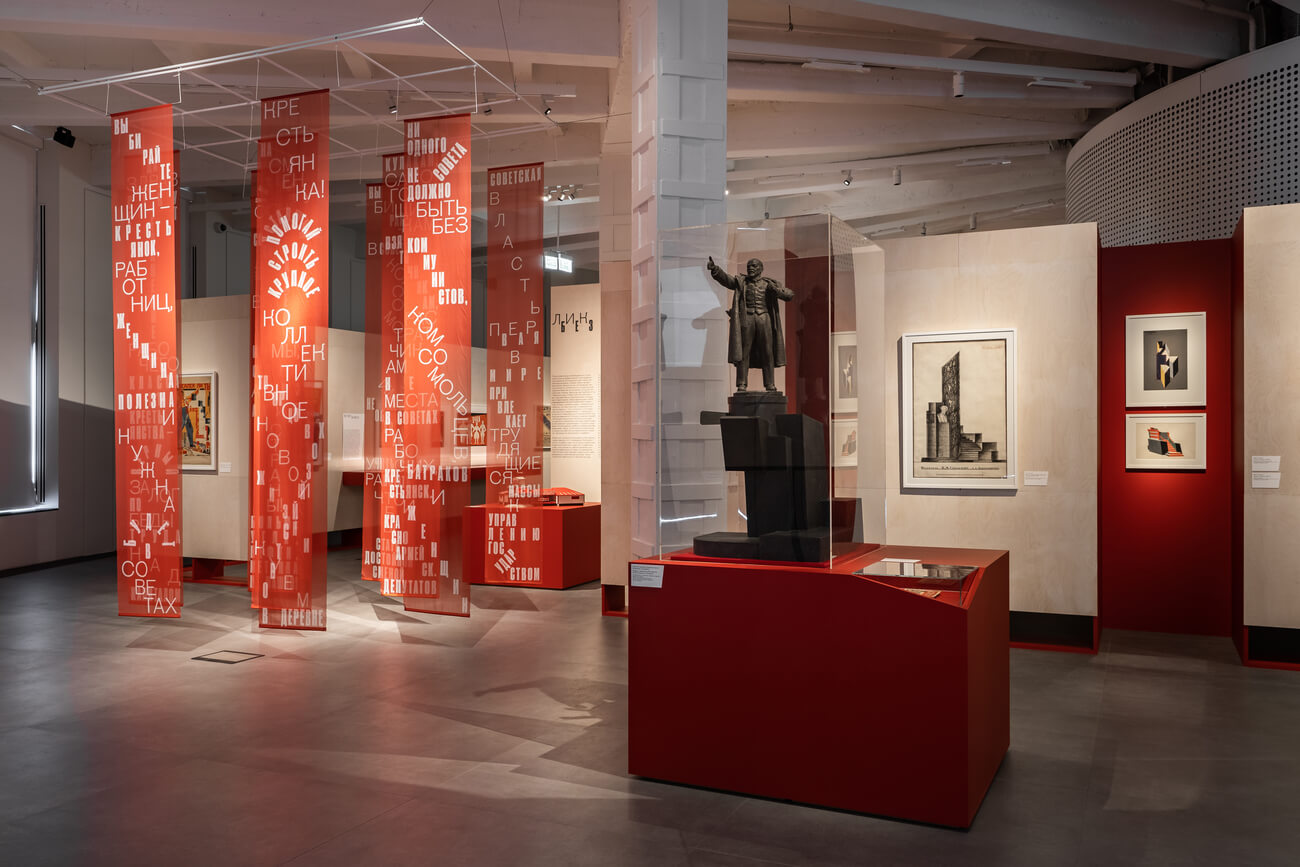
A key element of the exhibition, which explores the power of language as a sign system that shapes public consciousness, is the contribution of contemporary artists. Platon Infante and Vladimir Abikh have created installations for the exhibition, linking the past with the present and highlighting the relevance of the Constructivist legacy.
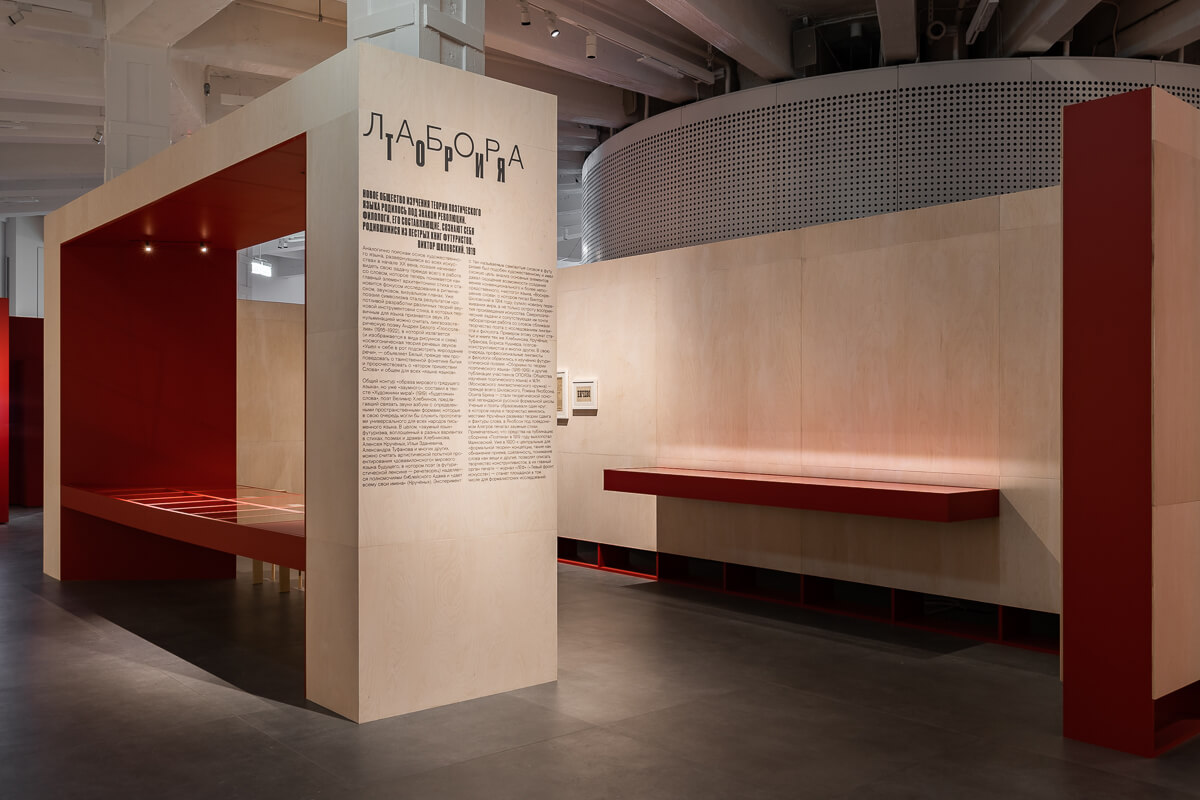
The exhibition is divided into four thematic sections: The Living Word, Agitprop, New Optics and New Media, and 18 sub-sections covering both early Futurist experiments with the word (whether handwritten, printed, poetic or painted) and the innovative magazine and book design as well as exhibition design that extended into the 1920s and early 1930s.
To immerse yourself in the atmosphere of the early twentieth century and learn more about the key works in each section, you can get an audio guide. It is available for purchase at the reception desk and on the website.
We have a quest for children designed to introduce the exhibition to young visitors. Accompanied by a guide, children can explore various ideas of the Constructivists, learn to analyse what they have seen, try their hand as artists or graphic designers and solve the puzzles created by the Constructivists more than a hundred years ago.
The exhibition brings together over 350 exhibits housed in more than 30 museums, collections, and private holdings, including the State Tretyakov Gallery, the State Russian Museum, the Shchusev State Museum of Architecture, the Mayakovsky State Museum, the State Museum of Fine Arts of the Republic of Tatarstan, the State Museum of the History of St Petersburg, the Nizhny Novgorod State Art Museum, the Polytechnic Museum, the collections of Vladimir Krichchevsky and Solomon Telingater, the archive of Alexander Rodchenko and Varvara Stepanova, among others.
Curators: architectural historian Polina Streltsova, architect Anna Zamriy, art historian Ekaterina Lavrentieva, PhD, and cultural theorist Konstantin Dudakov-Kashuro.
General partner:

Information partners:


Social Media Support: