The Zotov Centre presents a major exhibition, a bread odyssey from the creators of Red Moscow: A Woman in the Big City
The exhibition features olfactory objects and installations incorporating a variety of aromatic substances. If you are particularly sensitive to certain scents or their components, we recommend taking the necessary precautions before visiting the exhibition. None of the exhibits on display are edible.
Curators: Daria Donina and Elena Zheludkova
Architect: Yulia Napolova, PS Culture
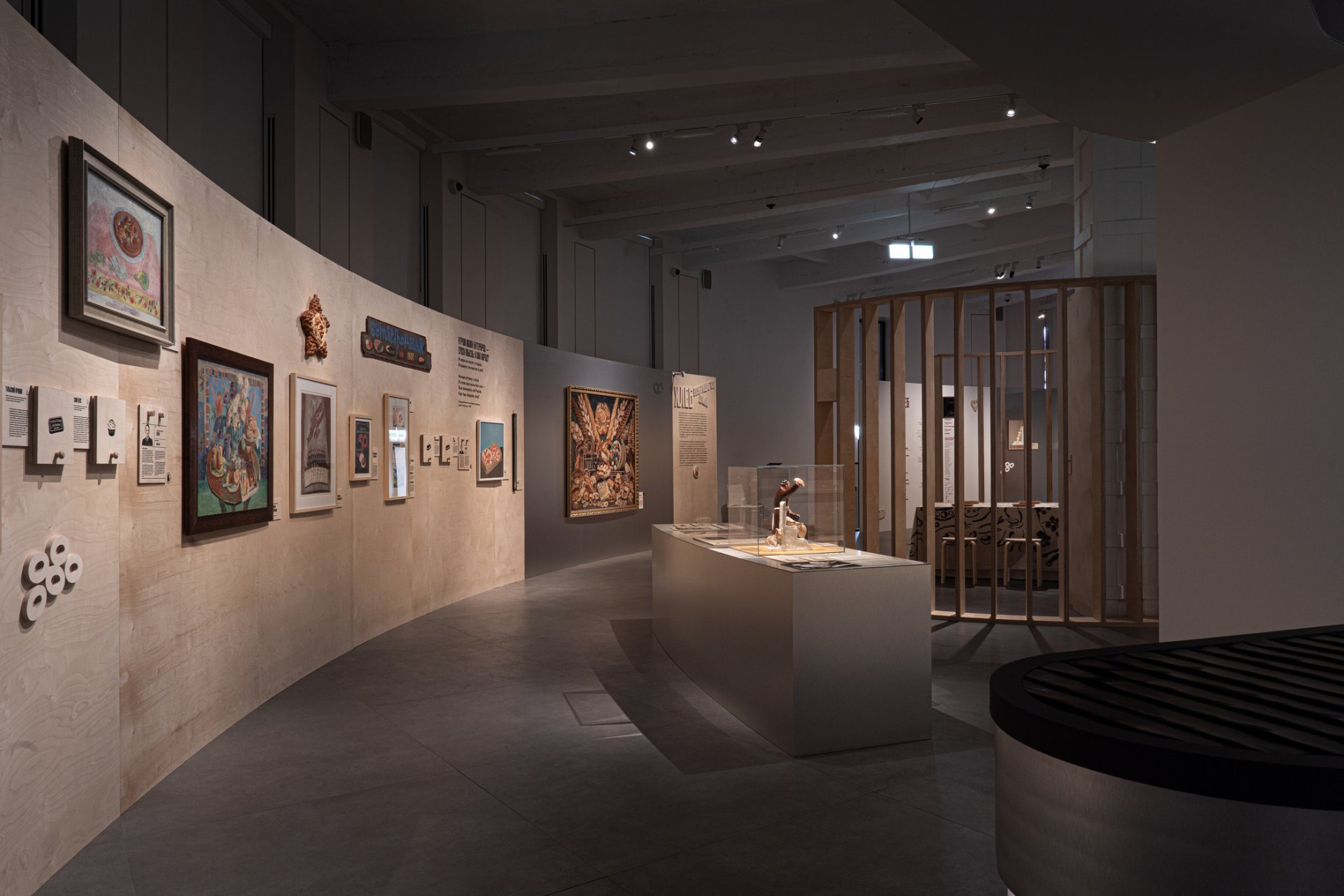
On 3 September, to mark the 95th anniversary of Bread Factory No. 5, the Zotov Centre opened Bread, an exhibition dedicated to the history of bread in Russia in the first half of the 20th century. The exhibition takes the form of a fairy tale, with Bread as its protagonist, moving from the countryside to the city. On its journey, Bread witnesses the restructuring of social institutions, utopian dreams, and ambitious urban development projects, while introducing visitors to the gastronomic and cultural traditions of the era.
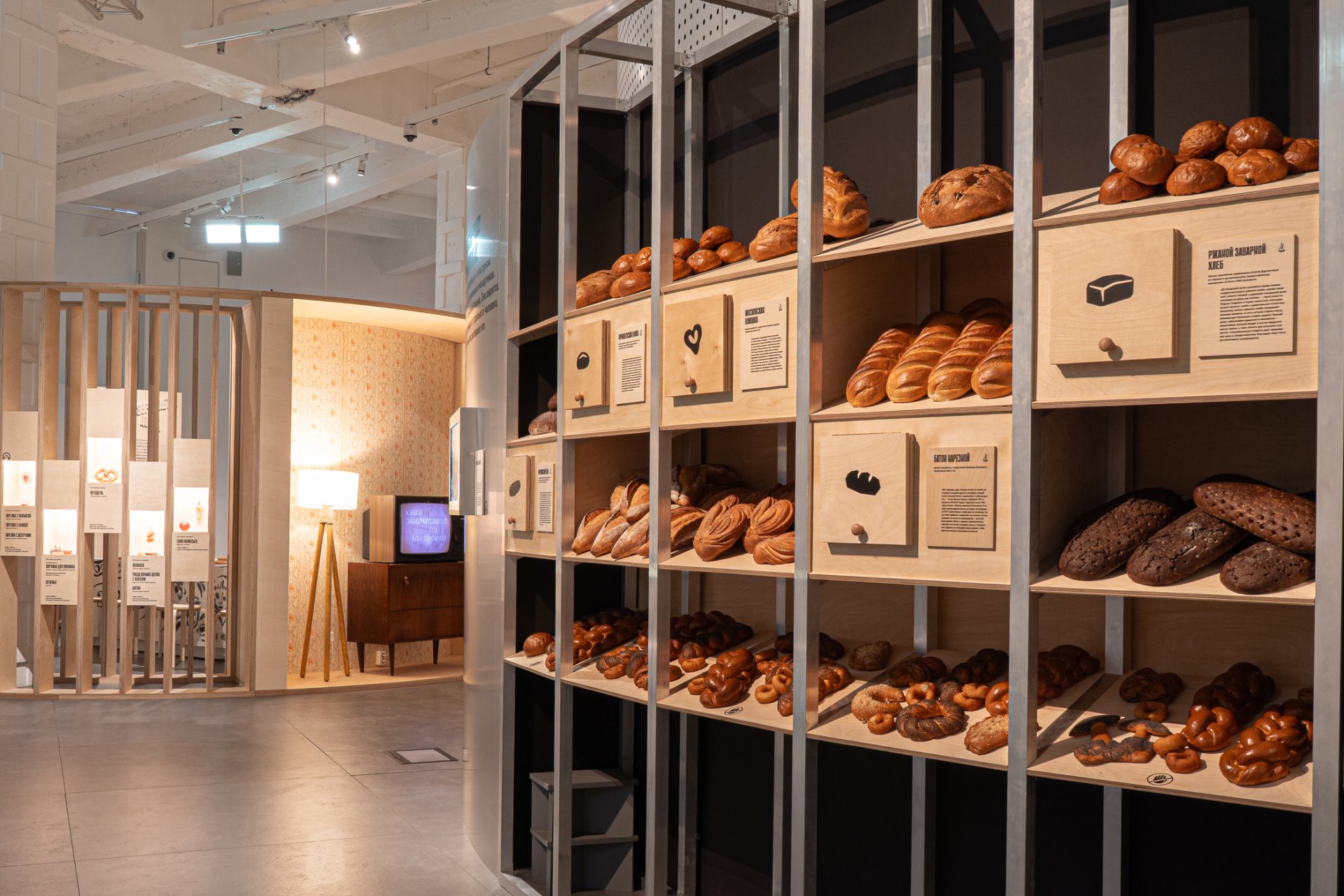
The exhibition consists of seven chapters: Bread: The Birth of a Hero, Bread Goes to Market, Everything Becomes Bread, Bread Gains Intelligence, Bread Gains Power, Bread Becomes Everything, and Bread Returns Home. On its travels, Bread encounters bakers who prospered before the Revolution, hides from itinerant food traders, is swayed by NEPmen, finds kindred spirits among talented engineers, and ultimately acquires a new home and, more importantly, a new identity, embodied in 350 varieties of Soviet bread and baked goods. Like Homer’s Odysseus, its journey from the country table to the city takes more than 20 years, from 1917 to 1939.
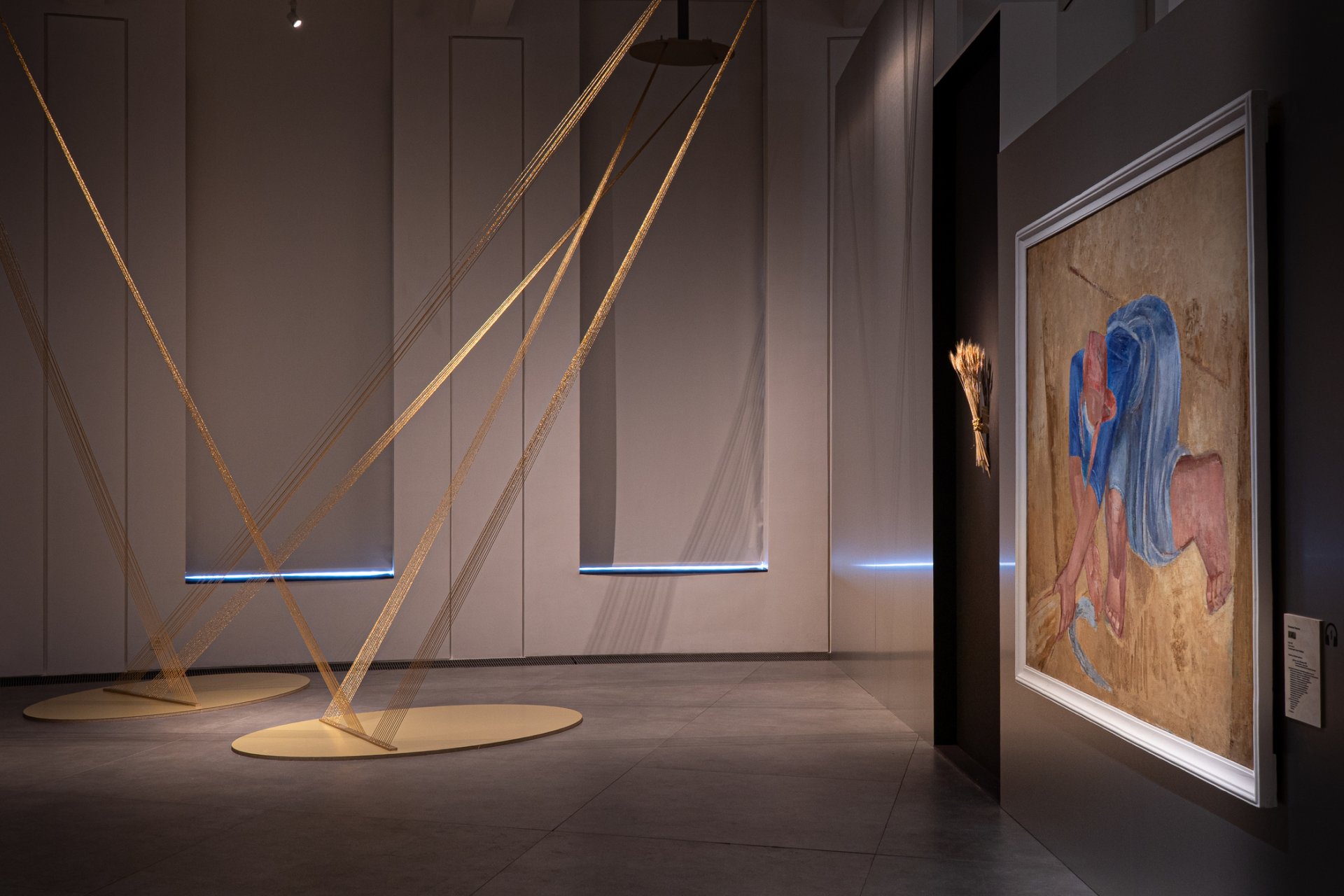
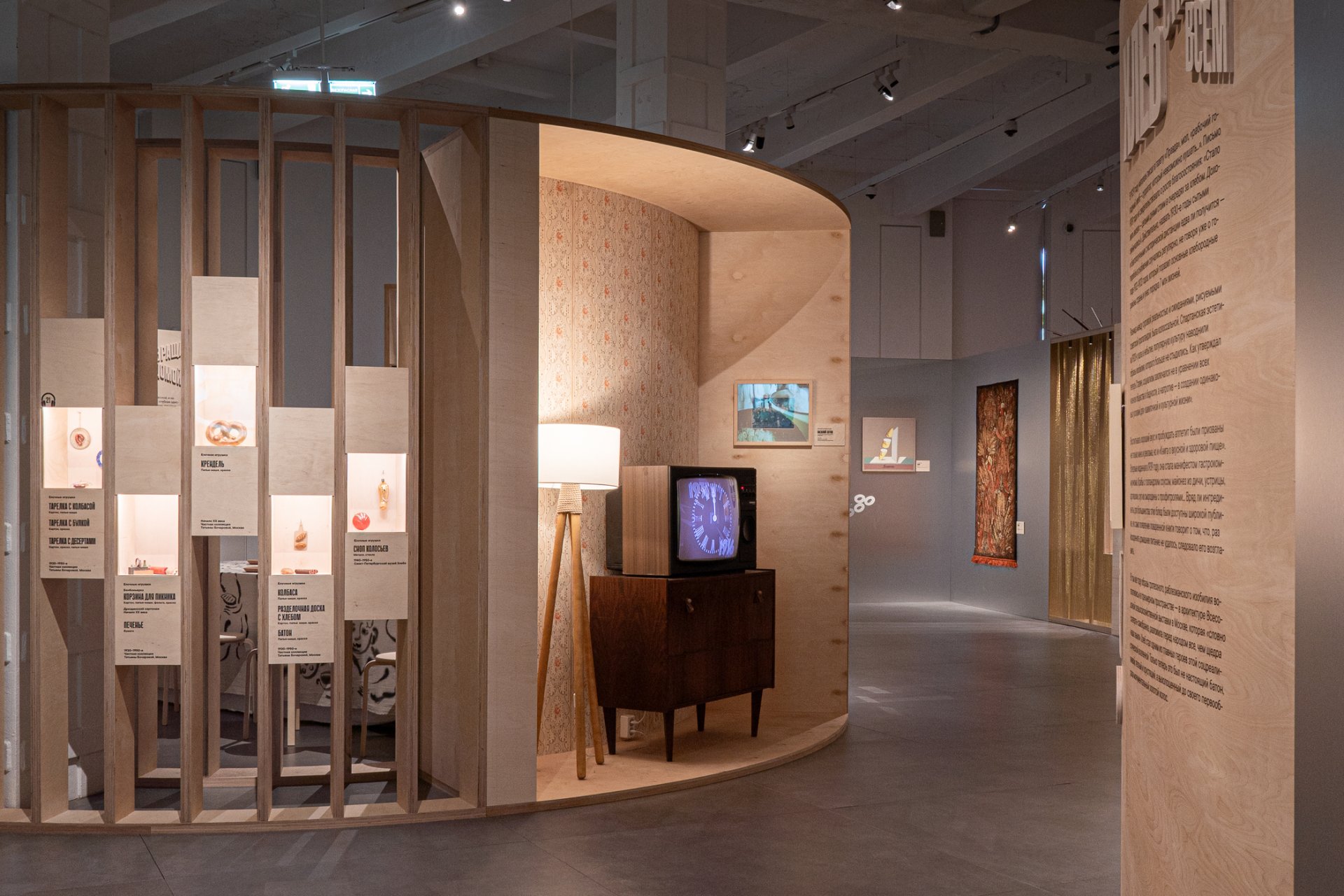
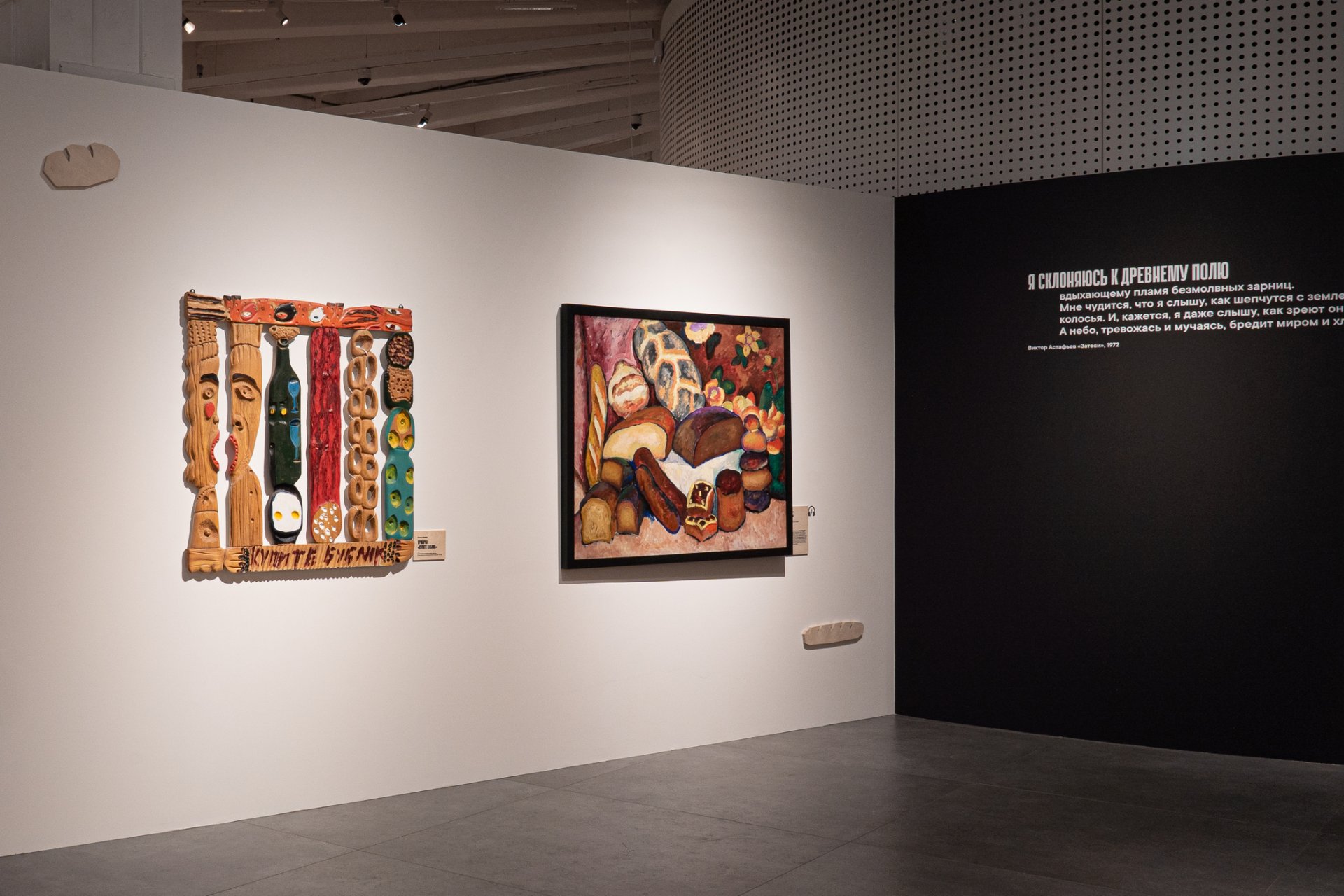
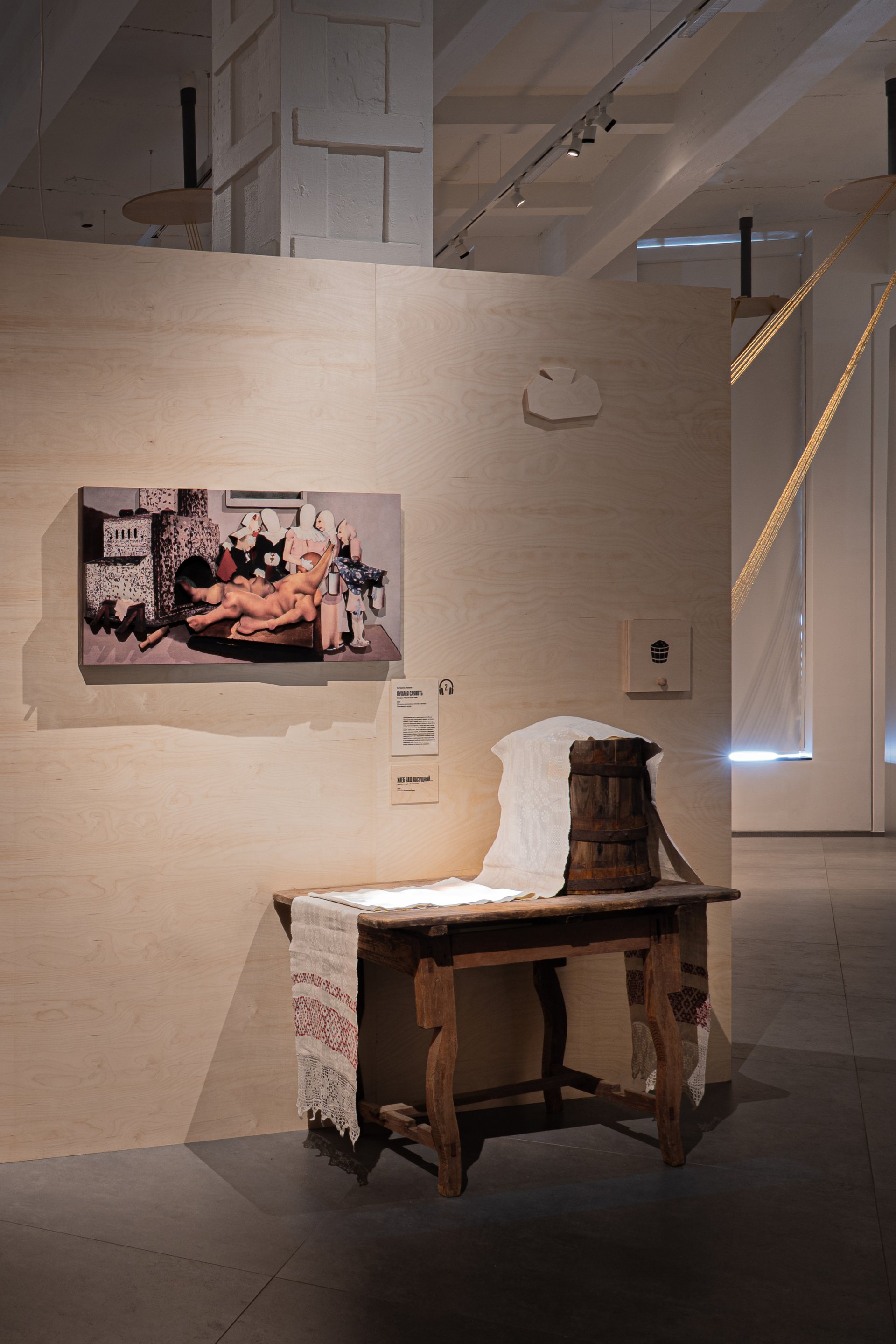
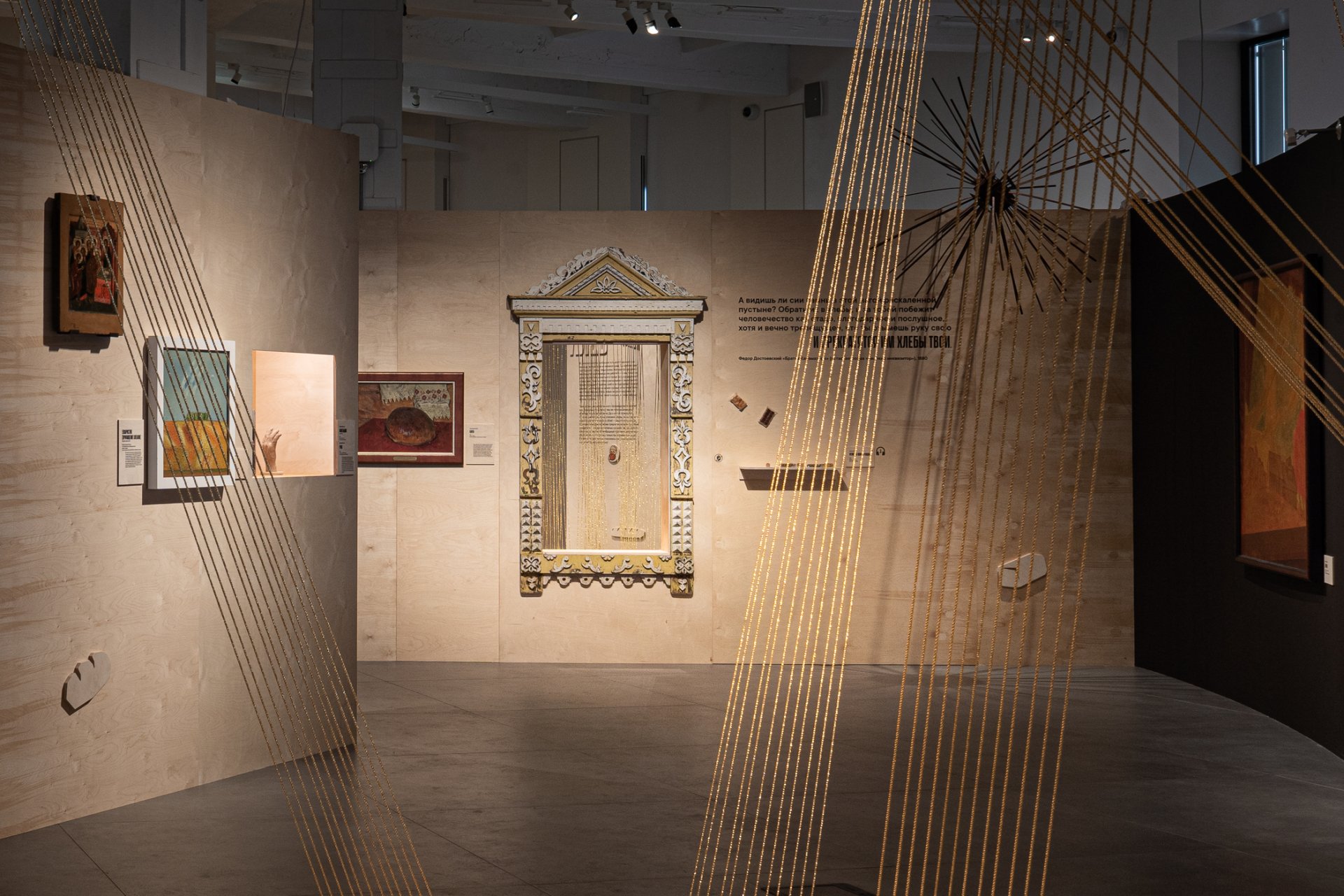
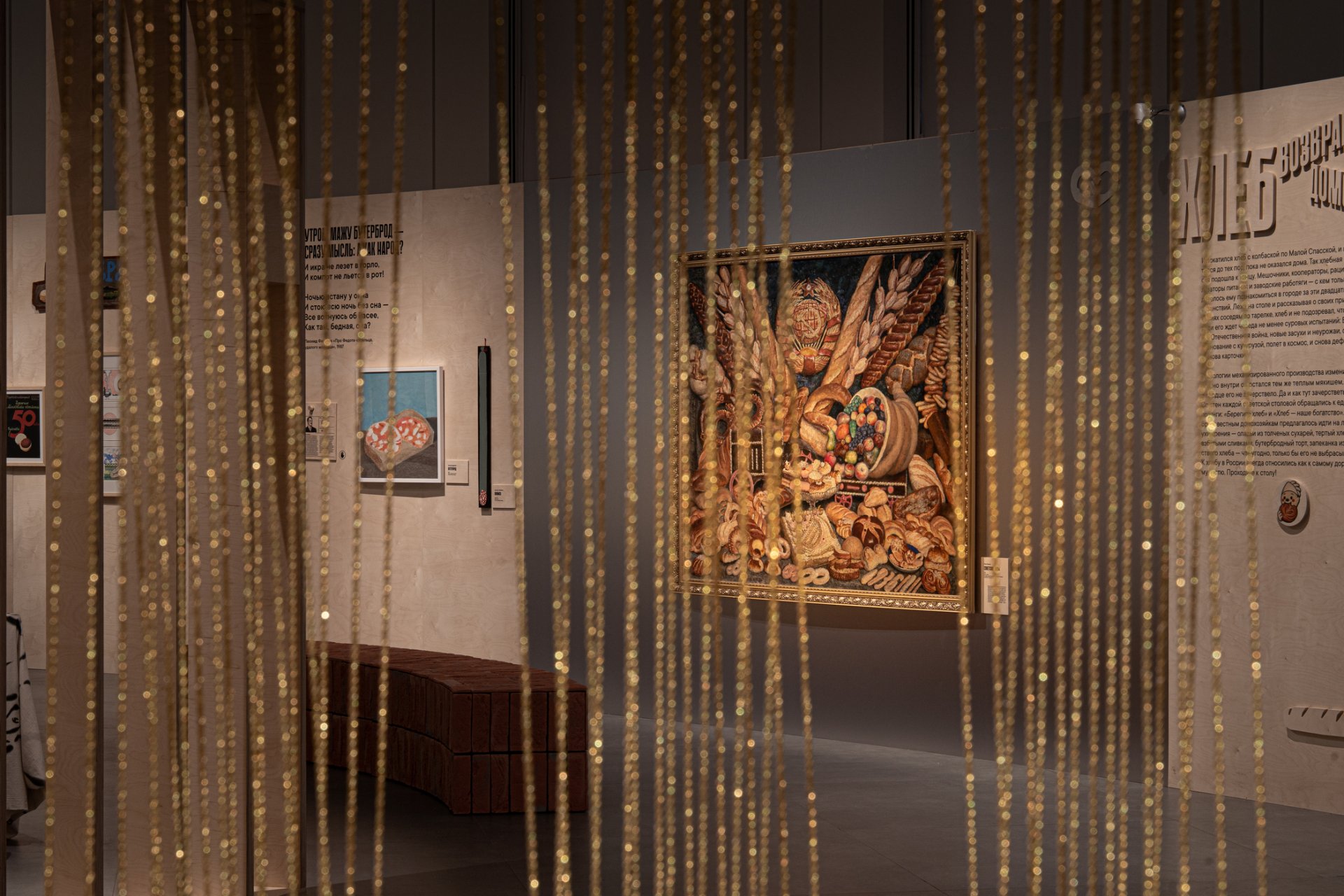
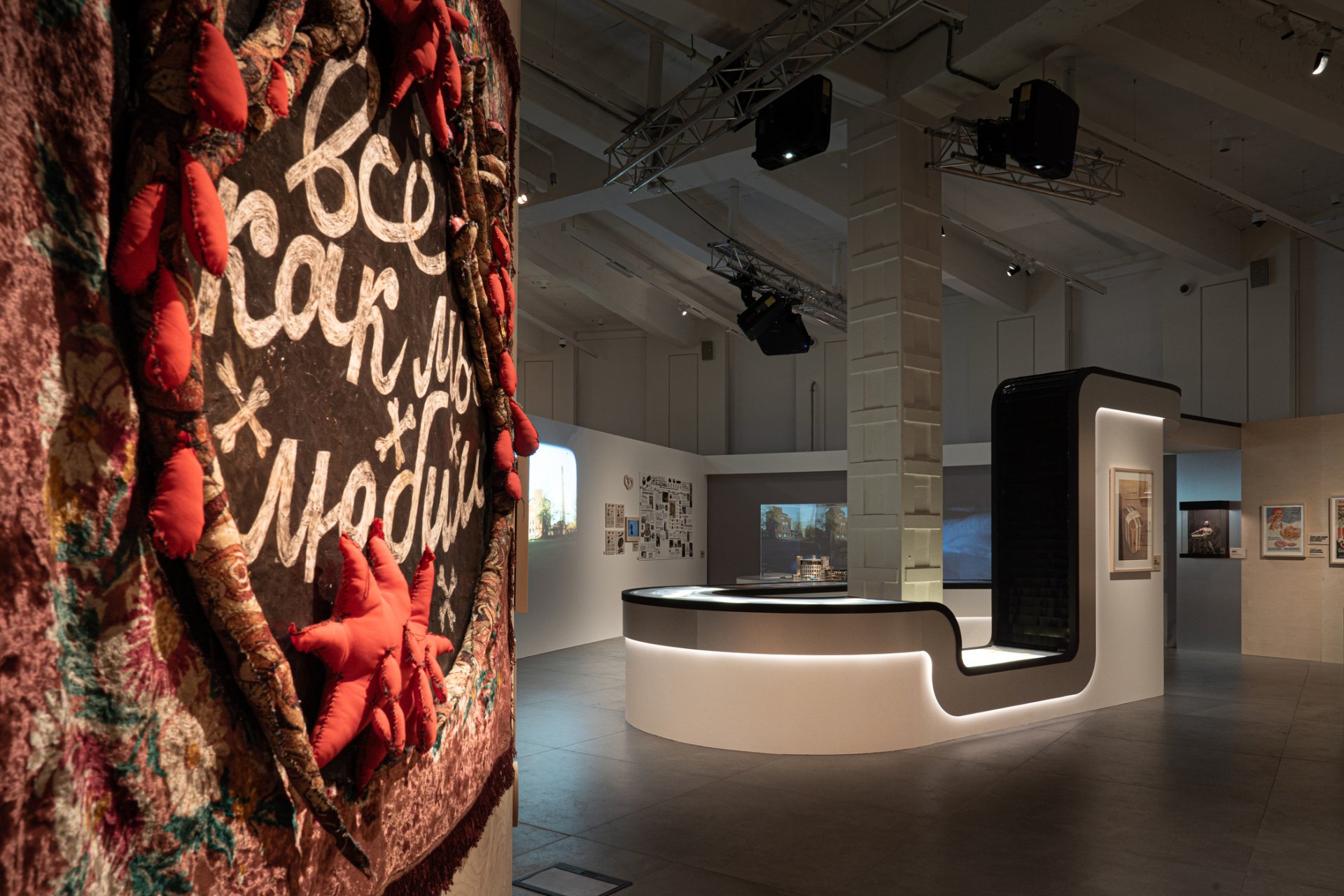
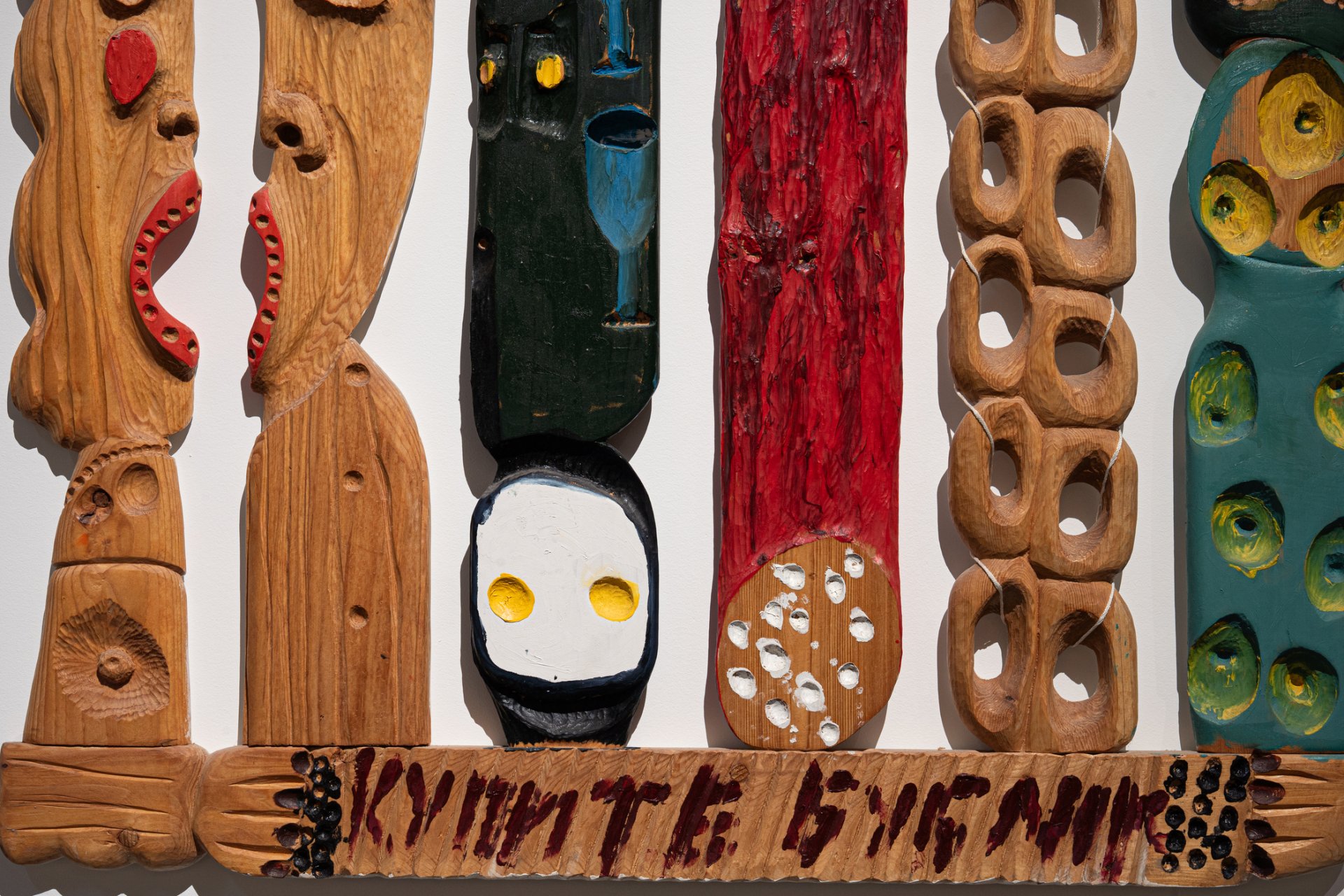
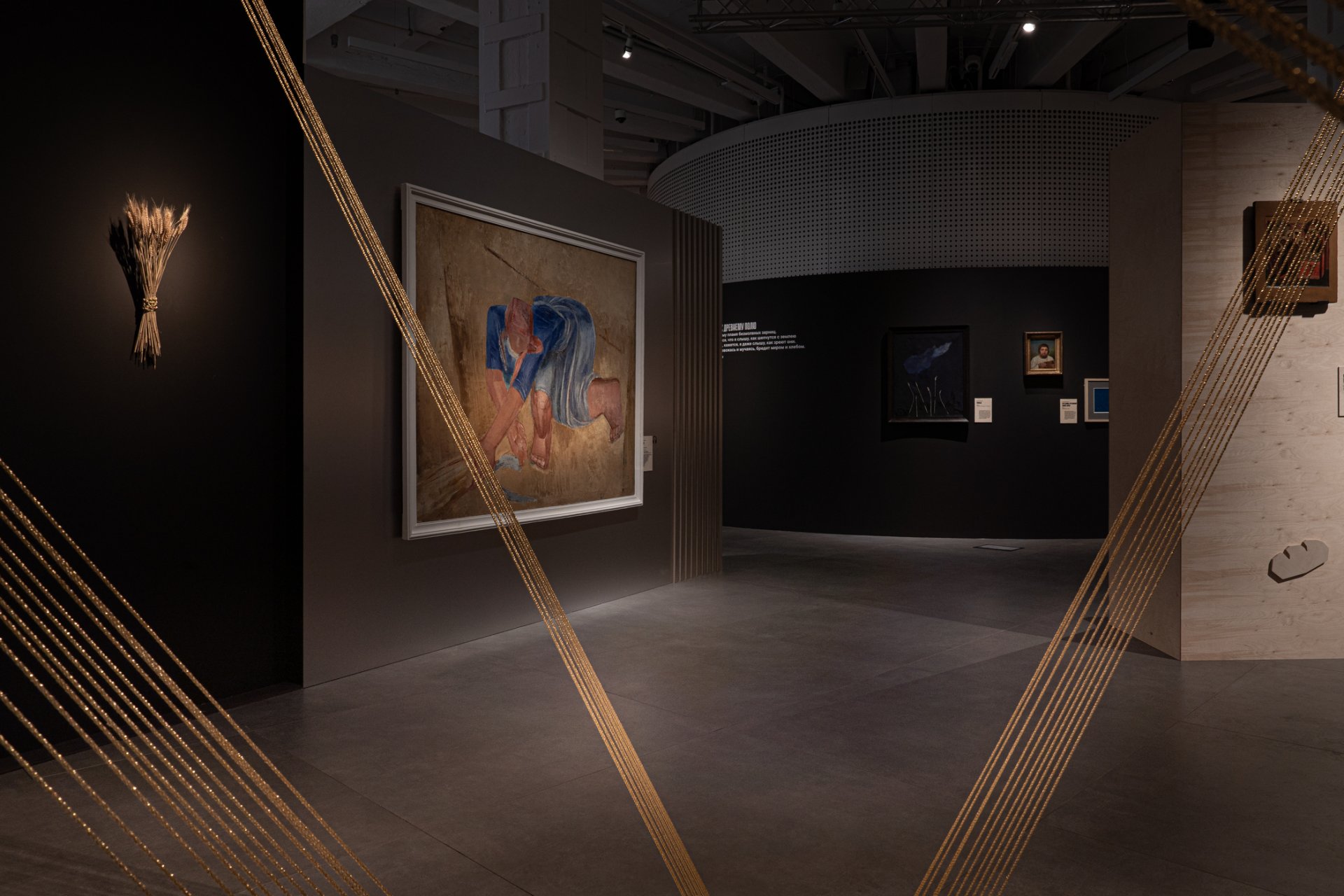
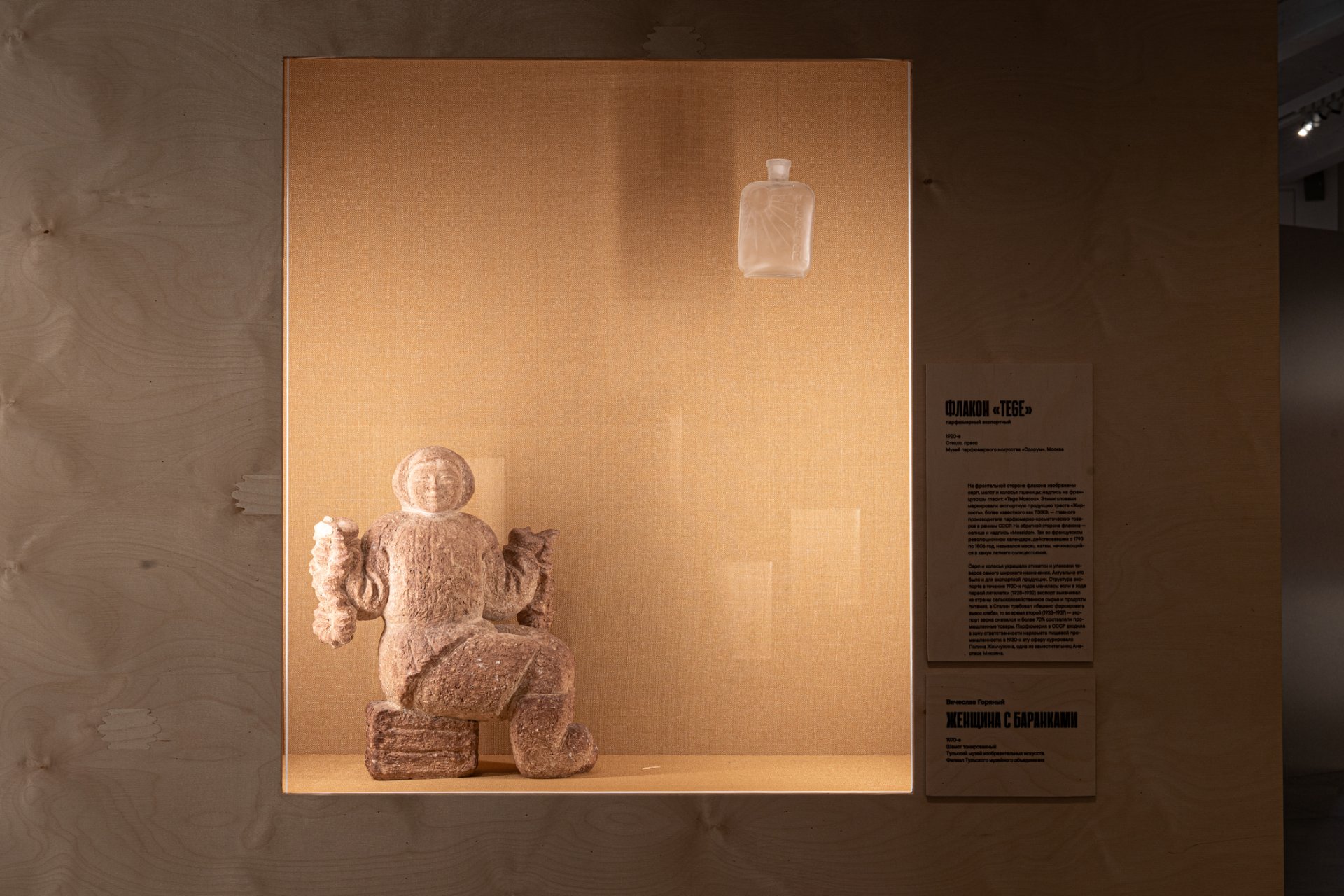
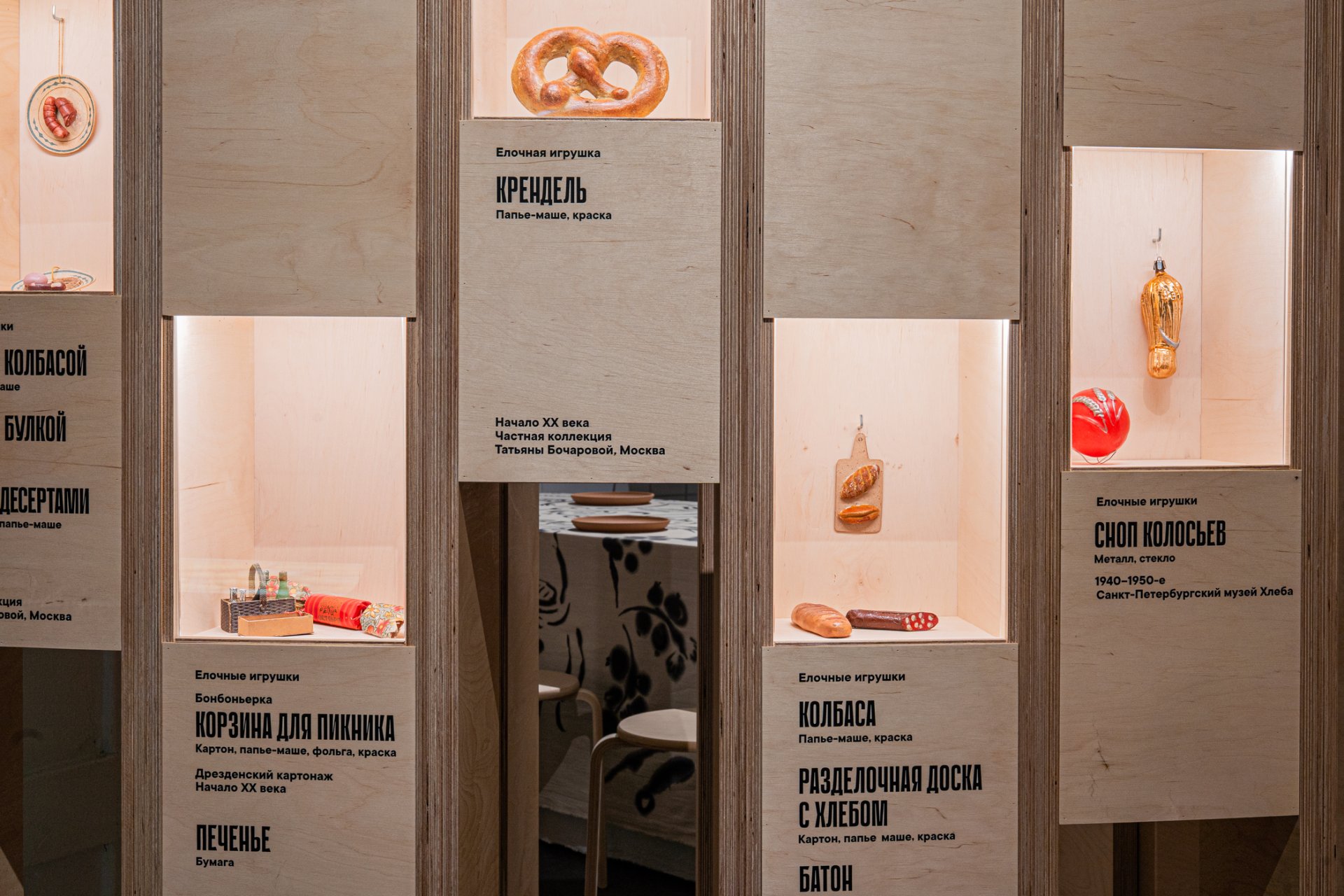
The exhibition features paintings, works of decorative and applied art, olfactory and interactive zones, works by contemporary artists, historical artefacts, and installations. It brings together more than 140 original works, including pieces by renowned artists such as Boris Kustodiev, Kuzma Petrov-Vodkin, Ilya Mashkov, David Shterenberg, Alexander Rodchenko, Mikhail Roginsky, Viktor Pivovarov, and others.
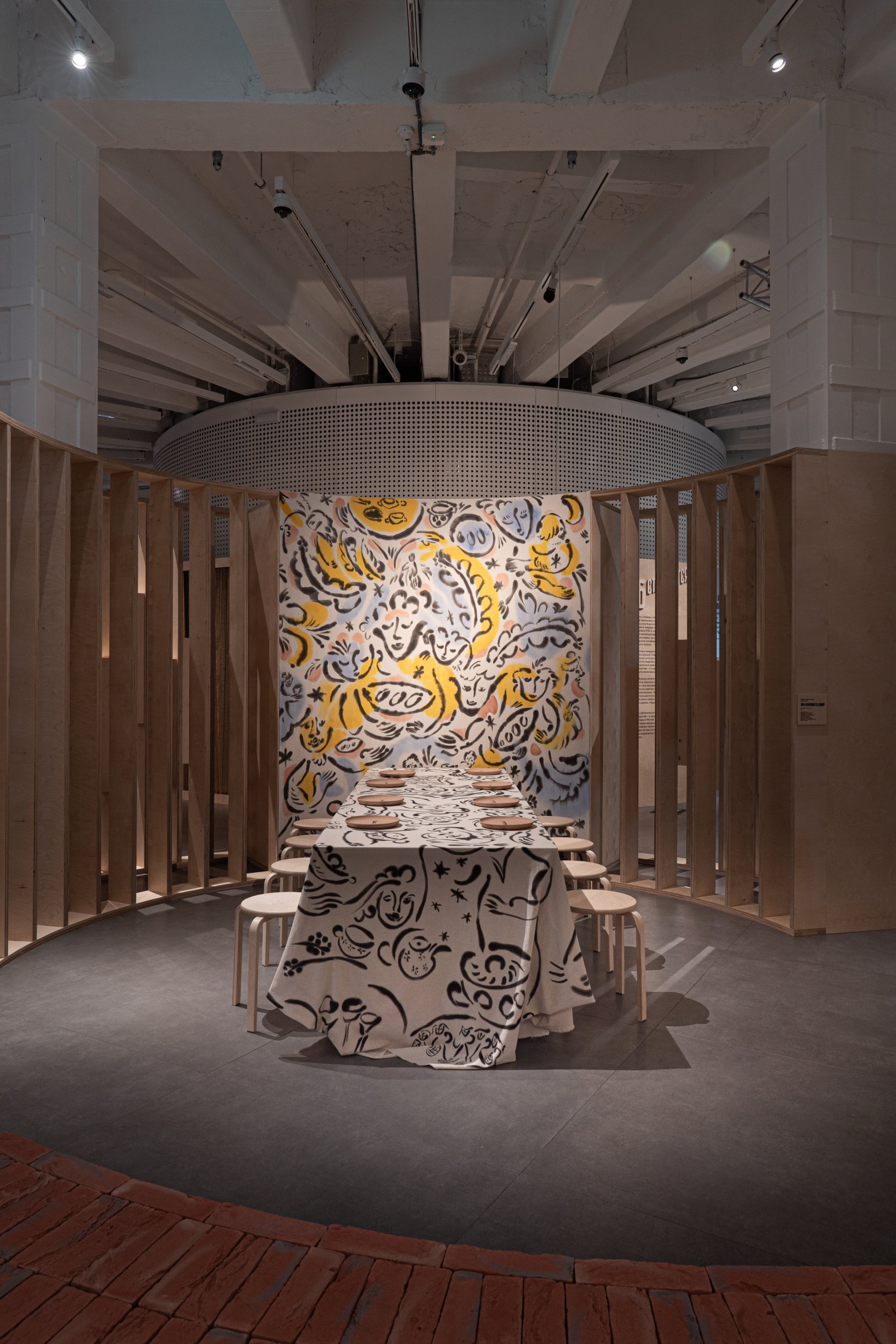
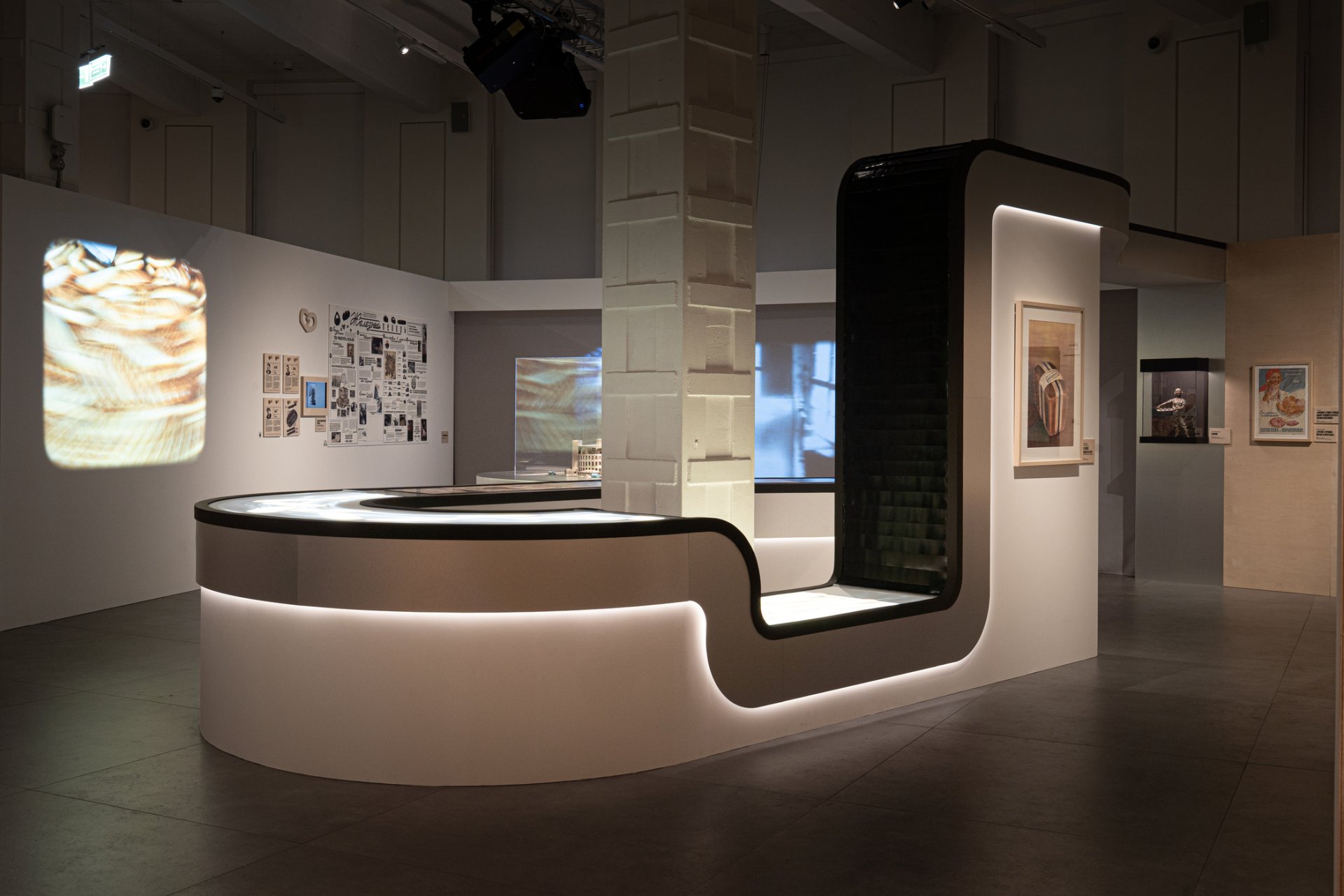
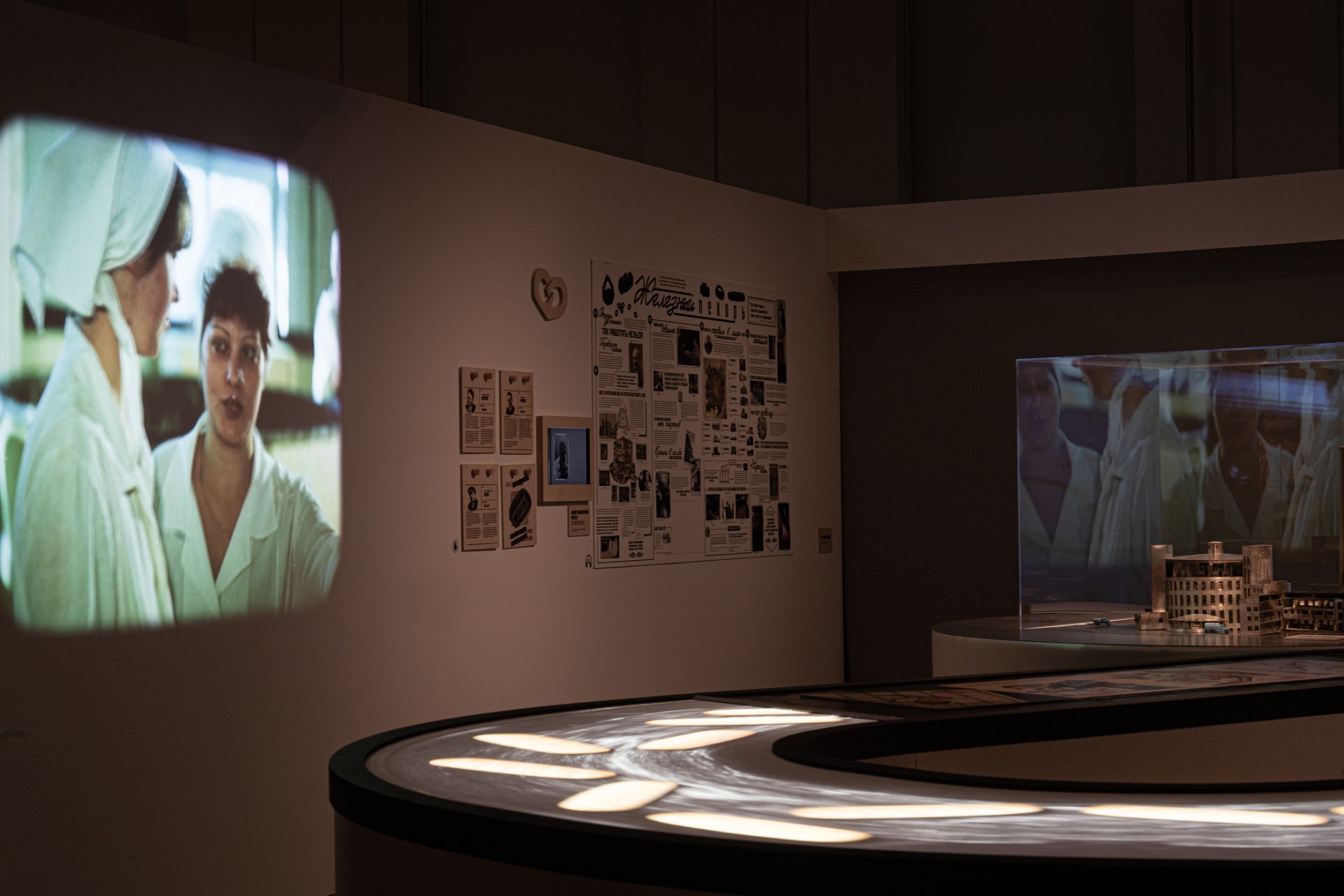
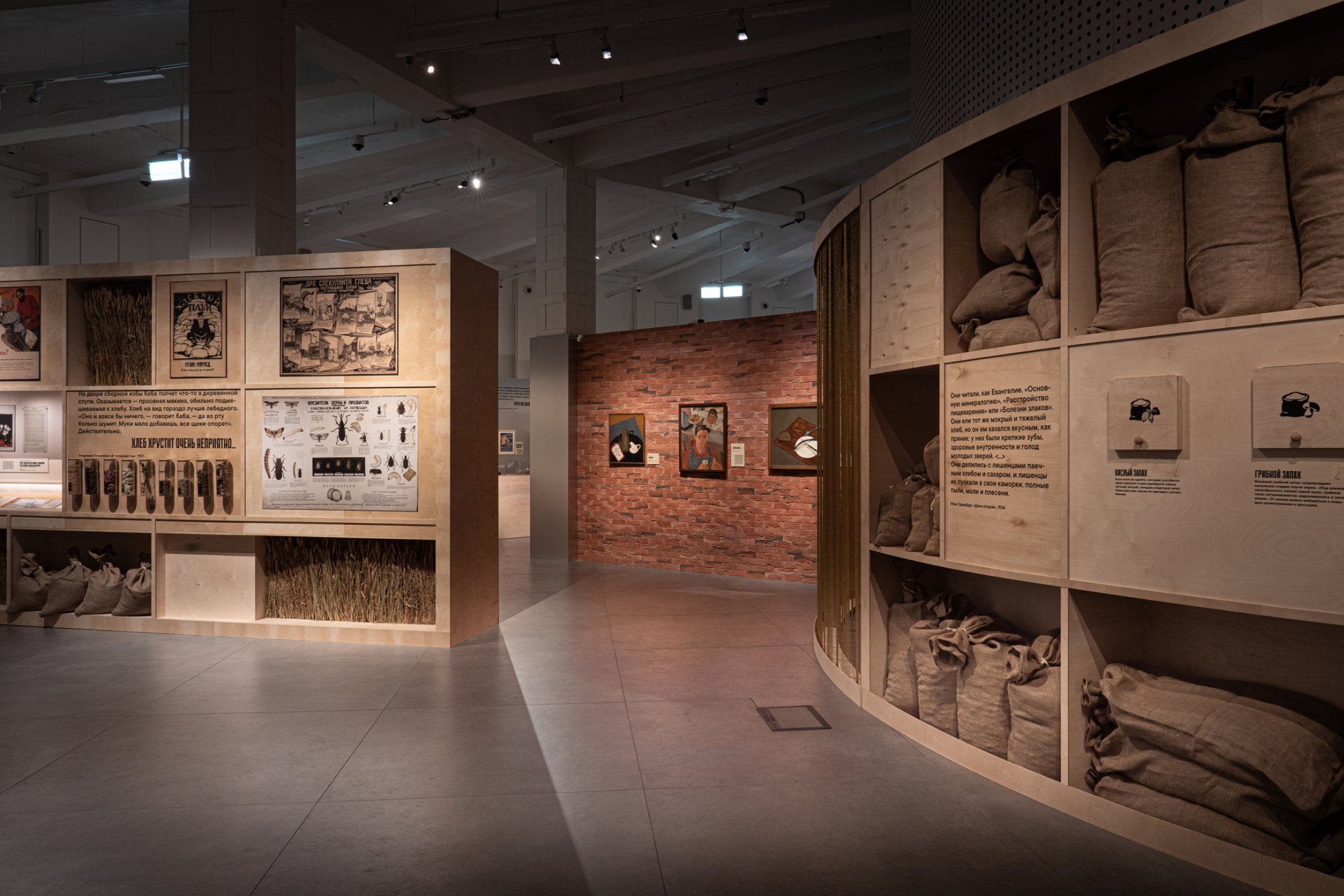
Visitors follow the hero’s journey through a series of interactive elements. In the first section, devoted to the ‘birth’ of bread, they discover how dough is kneaded in a tub. In the second, they step behind the counter and try their hand at selling bread rolls, before exploring bread substitutes: in times of famine, bread had to be made from whatever was available. The fourth section explores the emergence of the Soviet public catering system: visitors examine a typical menu for Soviet workers and take part in a survey modelled on those used in the canteens of the Narpit network, which played a key role in its development. The fifth section, devoted to the growing influence of industrial bakeries, introduces visitors to bakers of the 1930s and gives them a sense of the scale of industrial bread production through a game involving growing yeast, selecting ingredients, and shaping dough. At the end of the exhibition, visitors encounter an immersive installation created by artists Varvara and Sofia Cheltsova, where they can become part of an audio performance and experience the atmosphere of a family meal.
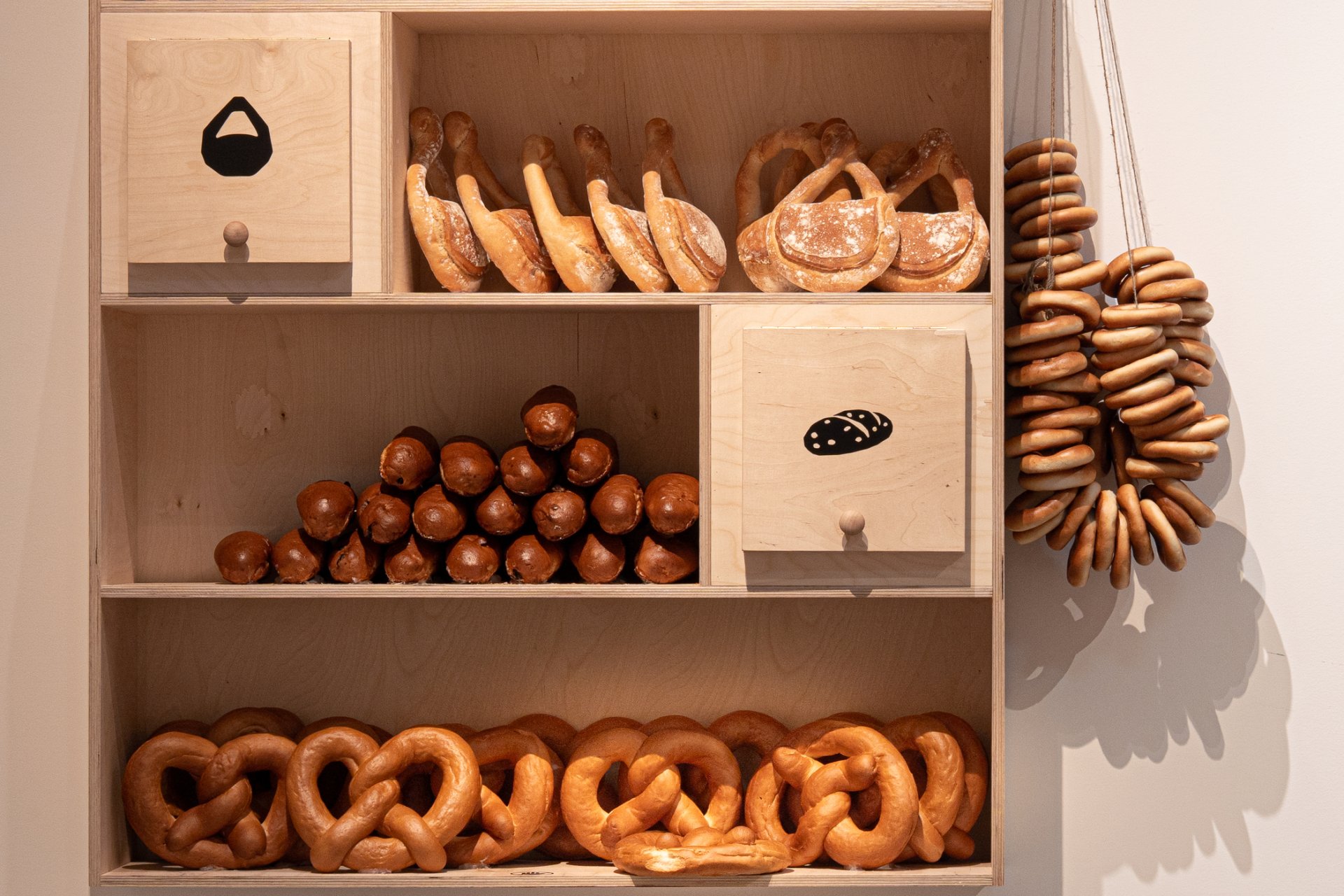
The exhibition’s olfactory environment includes the aromas of baked goods, including spicy Borodinsky bread, sweet cake, a sausage sandwich, and many others, as well as characteristic smells of the past that Bread might have encountered on its journey. Fragrances and flavourings are provided by KEMAclub, WM Ingredients, and ACSens. Perfumer Agata Doronicheva of Gnezdovje Parfumerie has created a number of compositions using these materials.
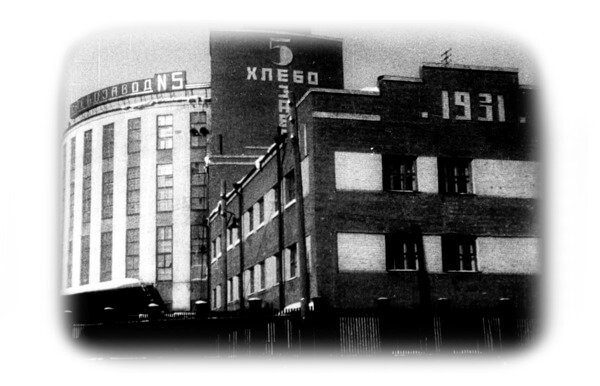
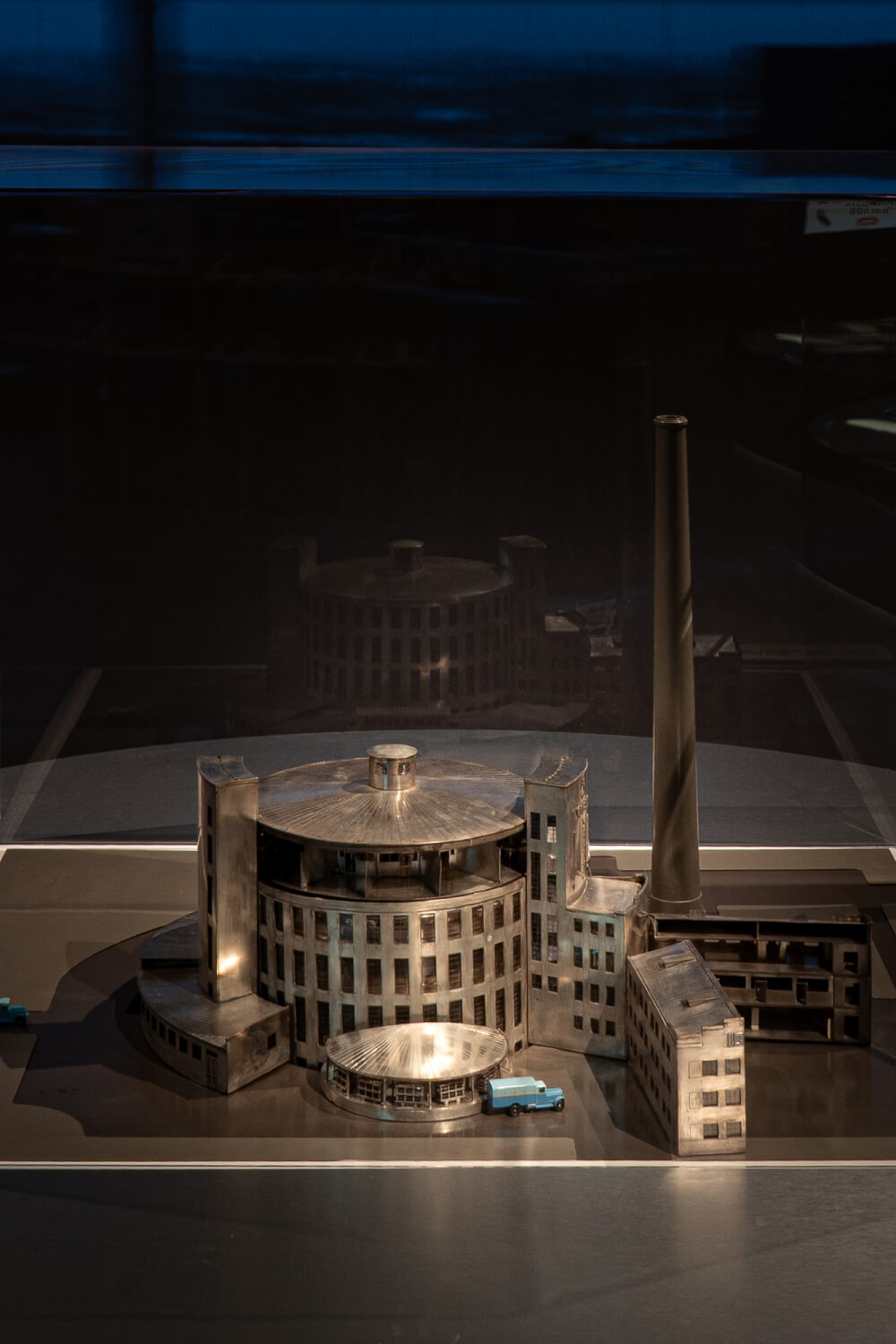
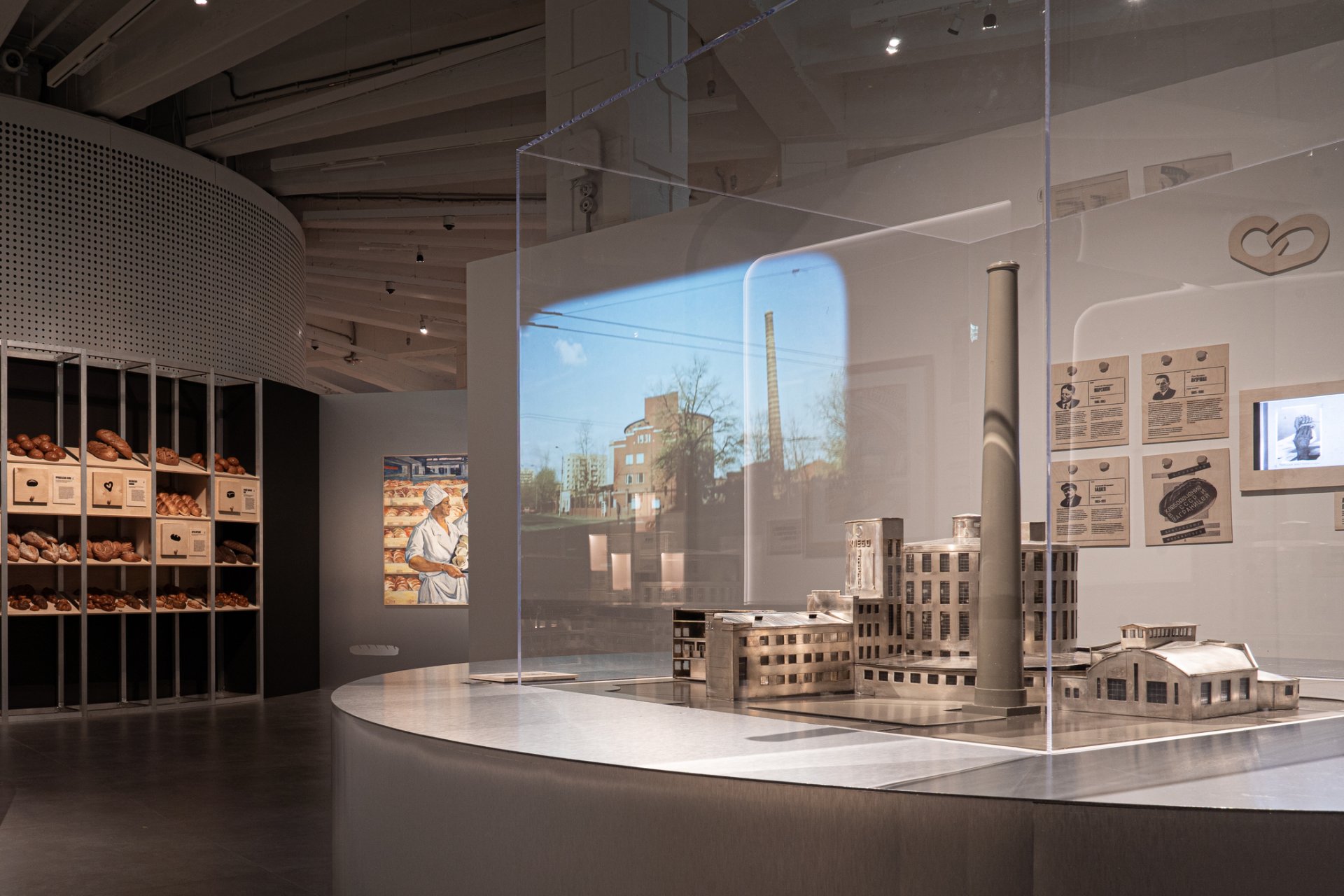
The Bread exhibition marks the 95th anniversary of Bread Factory No. 5, where bread was produced for almost 70 years. To celebrate this milestone with its visitors, the Centre declared 2026 the Year of Bread. Its main aim is to bring together projects and people with a shared interest in bread culture, with a focus on the anthropology of bread, artisanal practices, hospitality, and gastronomy.
On 28 August, ahead of the exhibition opening, A Place for Bread, an outdoor photography exhibition organised together with X5, opened in the square outside the Zotov Centre. Dedicated to bread as a symbol of unity, the exhibition brings together works selected through an open competition.
Cultural historian and food PR specialist Tatiana Perepelkina presented a lecture series on the sociocultural evolution of bread, focusing on its transformation from a basic means of sustenance into a symbol of urban identity. Speakers included food journalist and writer Roman Loshmanov, cultural historian and field researcher Aleksandr Suvalko, founder and editor-in-chief of the Sol project Ivan Glushkov, pastry chef and food history researcher Victoria Surgay, and others.
A series of public talks The Bread Salon accompanies the exhibition, showcasing some of the most original projects centred on baking. The first talk, held on 18 August, brought together the founders of the DNA, ZOE, and La Poste bakeries. They discussed the philosophy behind each of the three bakeries: what shapes their approach to dough, flavour, and form, where the boundaries lie between craftsmanship and free experimentation, and between bread as an everyday food and bread as a form of expression.
Visitors can also take part in workshops on table setting and growing sourdough starters, as well as olfactory workshops.
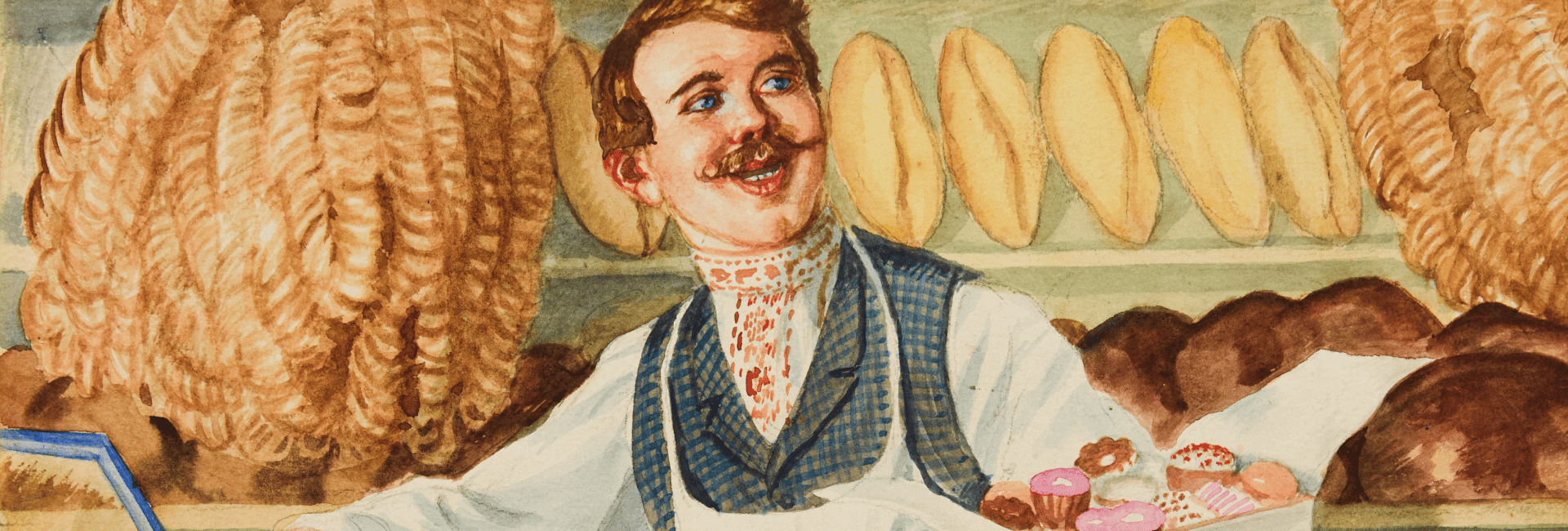
Image: Boris Kustodiev. In a Bakery. 1920. Research Museum of the Russian Academy of Arts, Isaak Brodsky Memorial Apartment-Museum


ГЕНЕРАЛЬНЫЙ ПАРТНЕР

ГЕНЕРАЛЬНЫЙ МЕДИАПАРТНЕР

СТРАТЕГИЧЕСКИЕ МЕДИАПАРТНЕРЫ





МЕДИАПАРТНЕРЫ



ХЛЕБНЫЙ ПАРТНЕР

ОЛЬФАКТОРНЫЕ ПАРТНЕРЫ




ФЛОРИСТИЧЕСКИЙ ПАРТНЕР