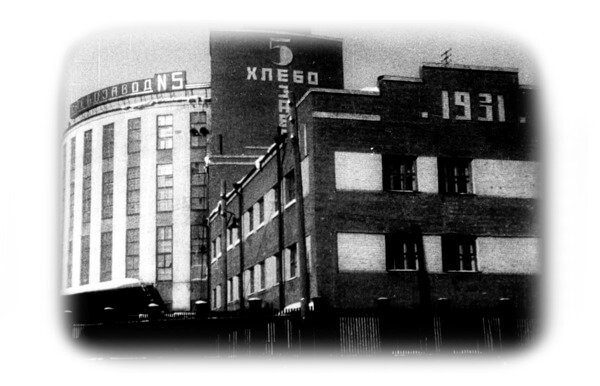
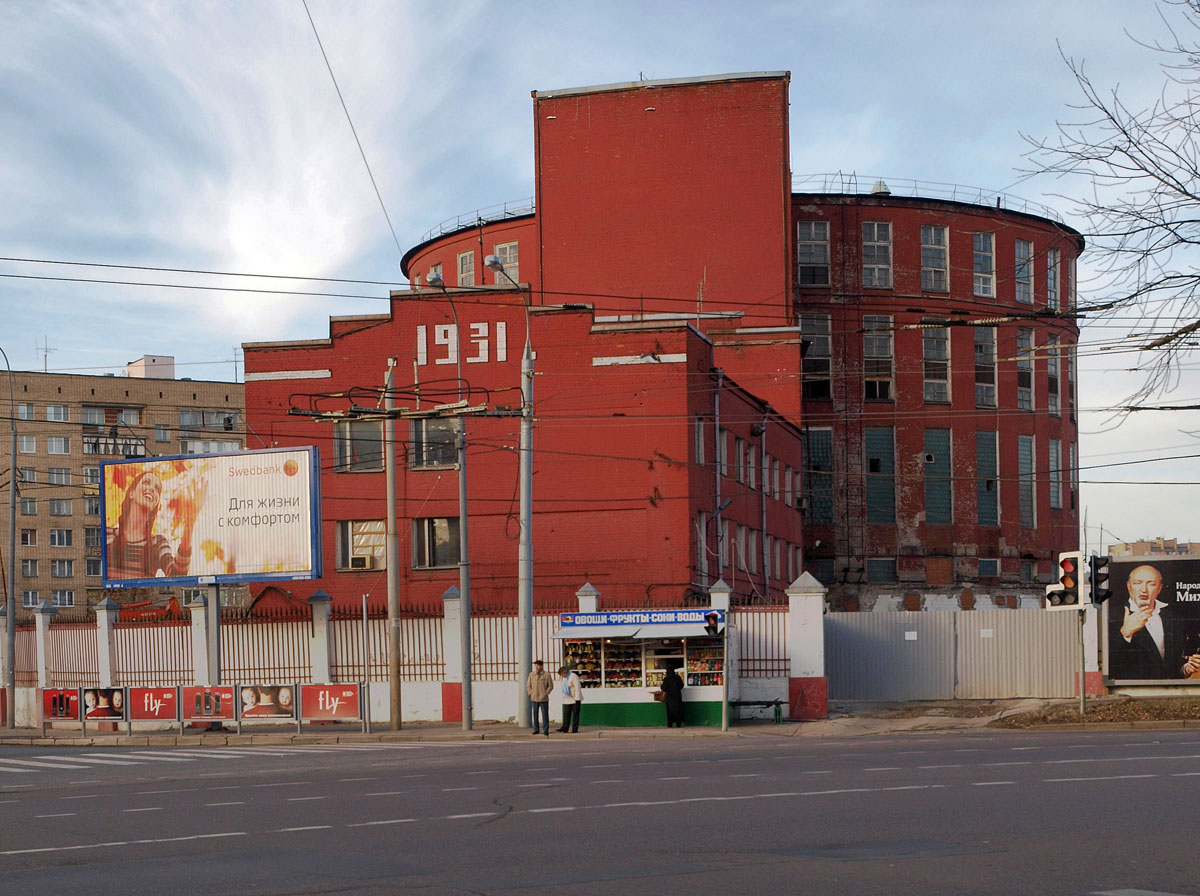
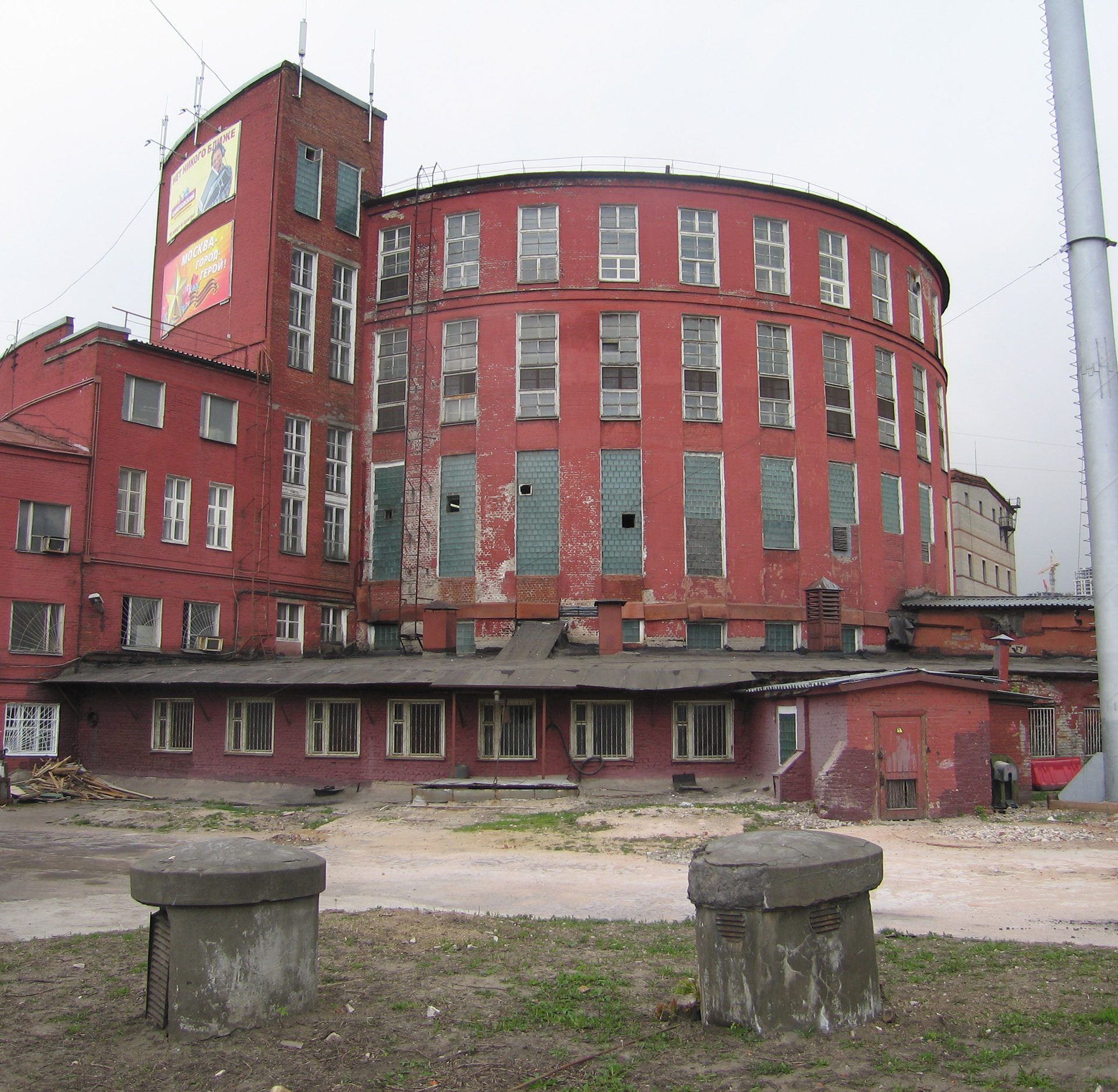
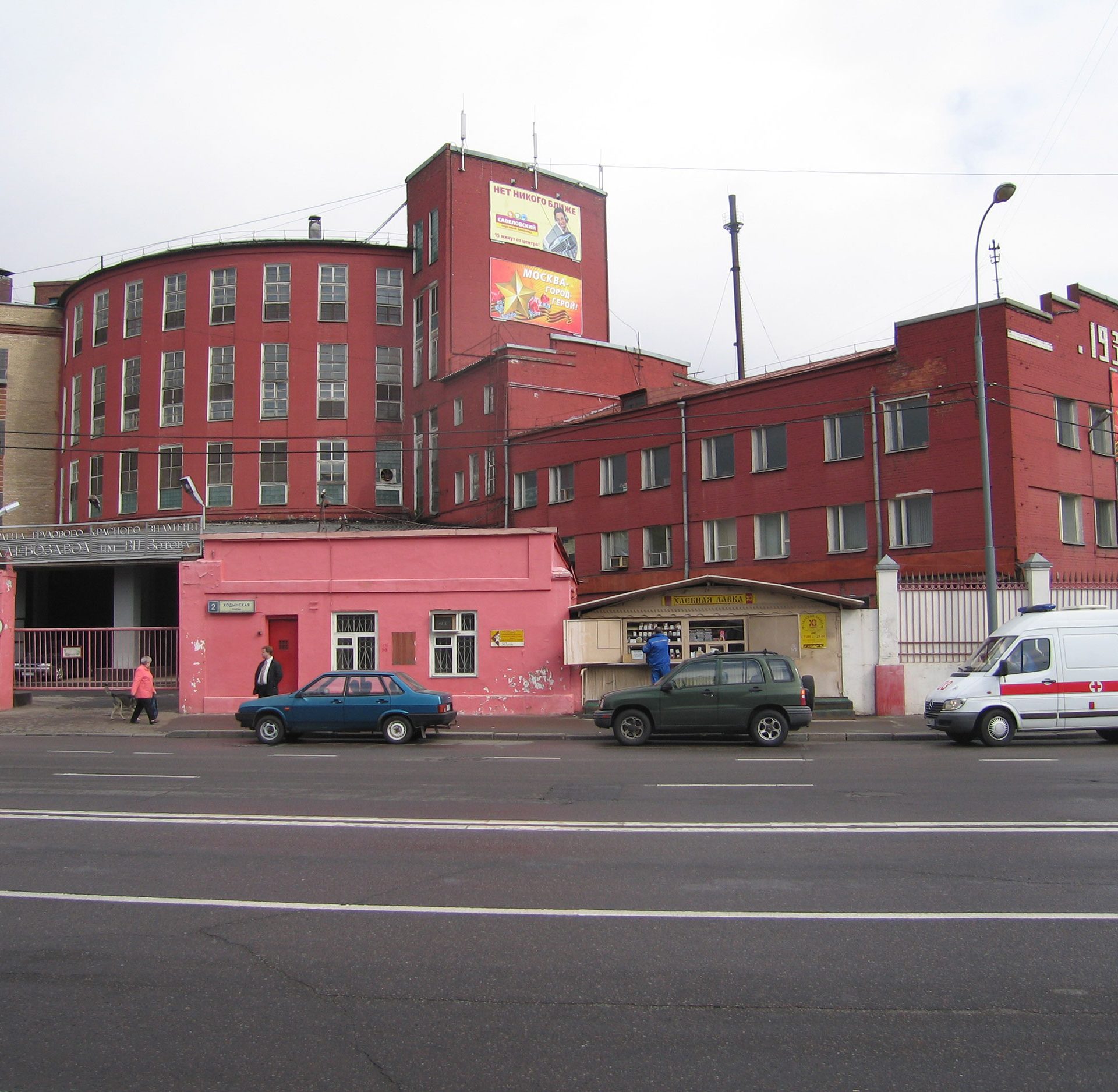
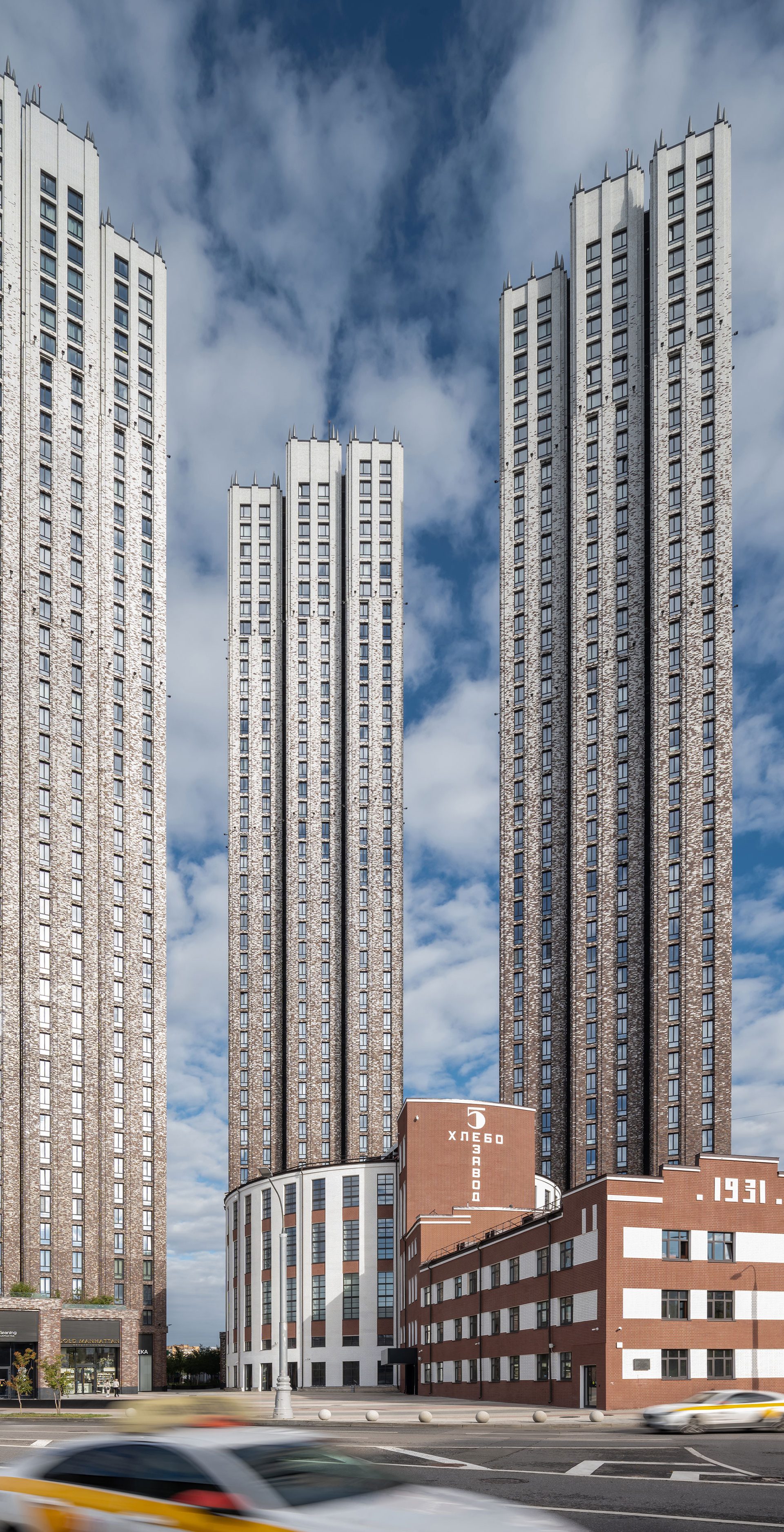
The system was based on a ring conveyor, which allowed for almost complete automation of the bread baking process (products moved from stage to stage, in a circle from top to bottom), which largely predetermined not only the functional layout of the building, but also its volumetric-spatial composition. It can be said that it was thanks to the invention of engineer Marsakov that Soviet bakeries acquired such a recognizable and charismatic round shape of their main production building. The tower-like volumes of the staircases cut into it give the cylinder special expressiveness. The auxiliary rooms were located in the attached rectangular building - this volume received a decorative attic, decorated with the inscription "1931", made in a chopped font typical of its time.
The serial number No. 5 was assigned to the bakery as part of a citywide program for the construction of bakeries designed to replace mini-bakeries and establish the production of bakery products on an industrial scale. In total, within the framework of the implementation of the decree of the Council of People's Commissars "On the concentration of bread baking in Moscow", 12 bakeries were built in the city between 1925 and 1935. In Moscow, the process of organizing the mass construction of bakeries was led by the head of the production department of bread baking of the Moscow Consumer Union Vasily Zotov, who later became the People's Commissar of the Food Industry. The first bakery built using the ring technology was later named after him. In total, three bakeries were built in Moscow and two in Leningrad according to the design of Georgy Marsakov.


Today
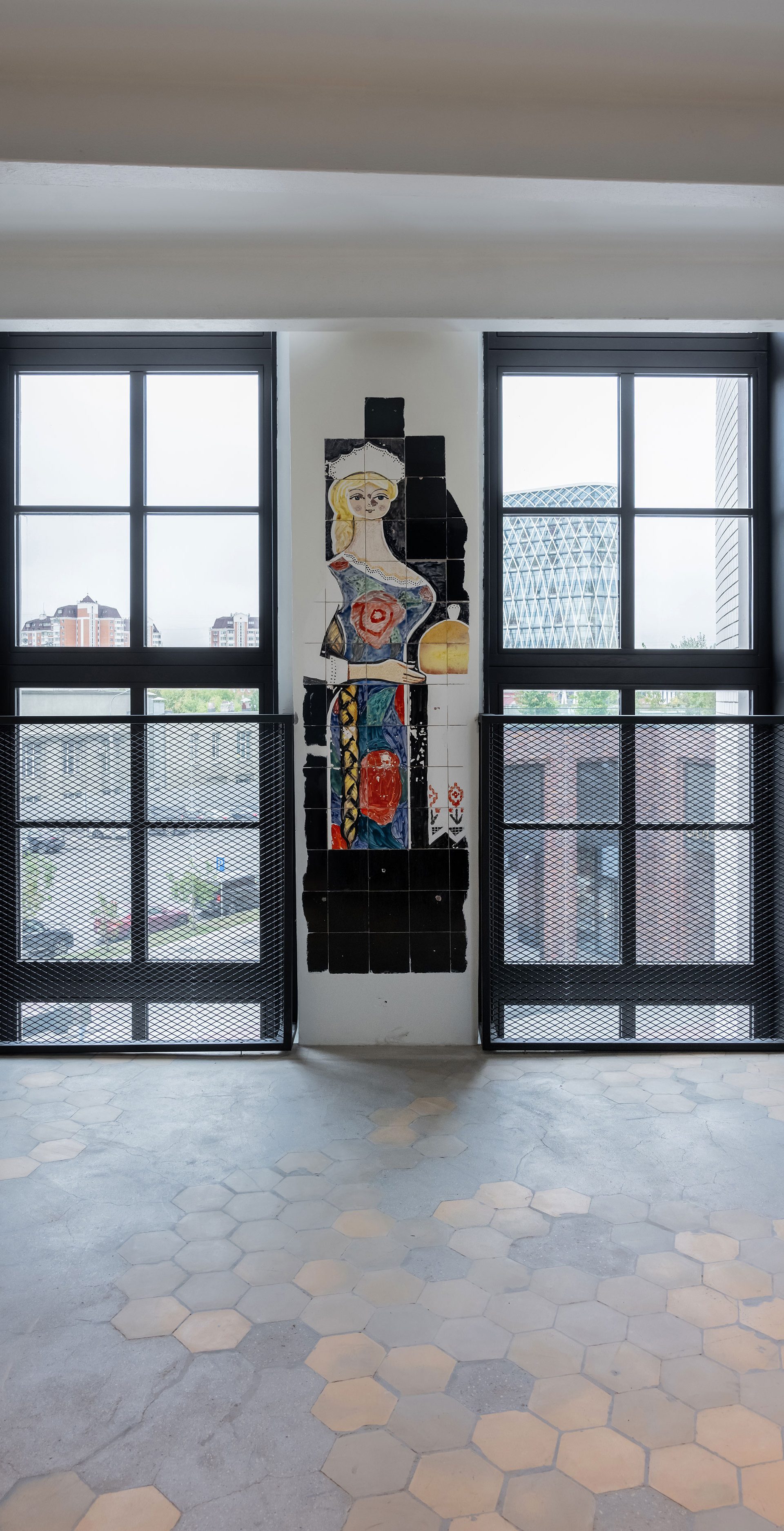
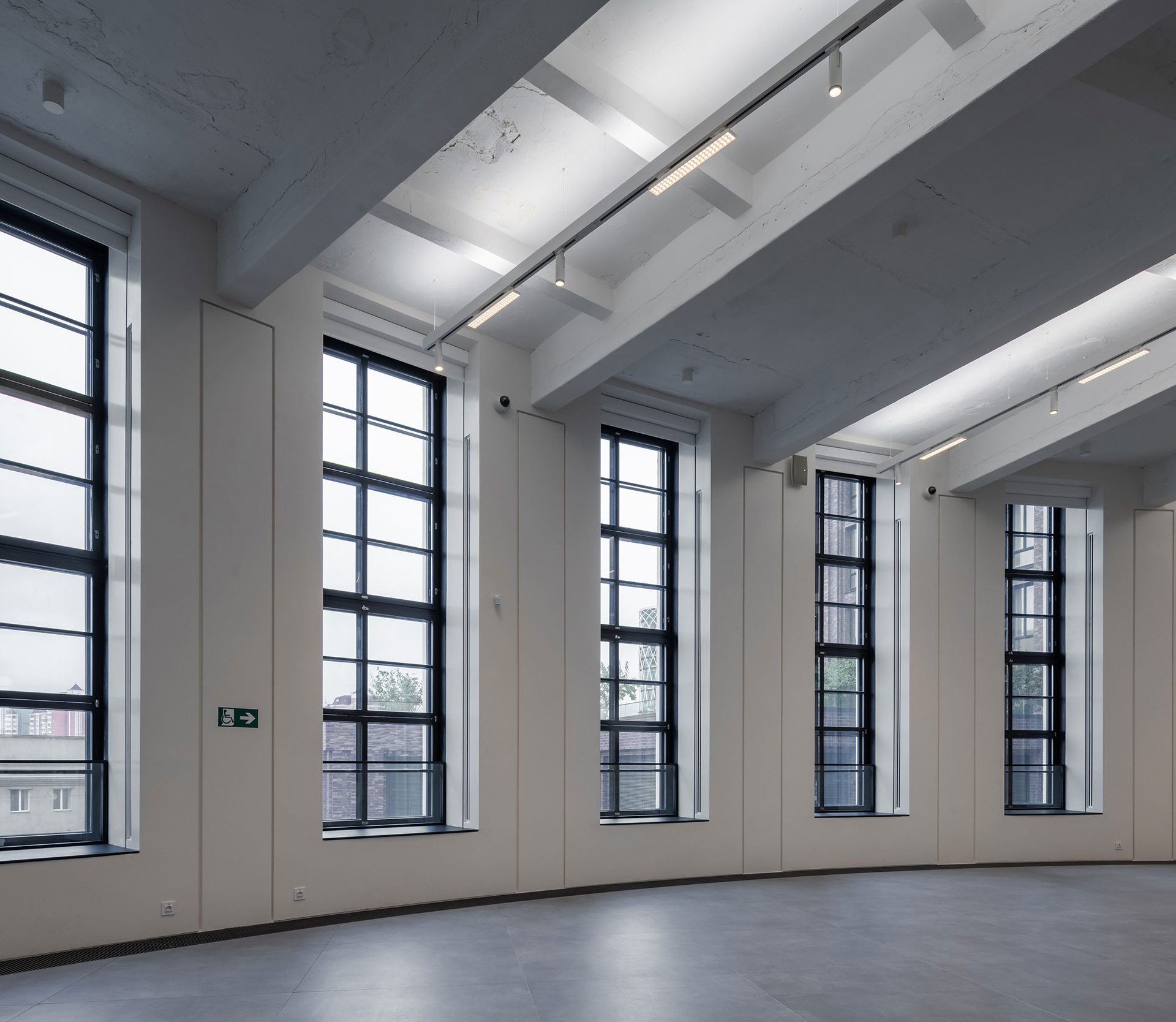
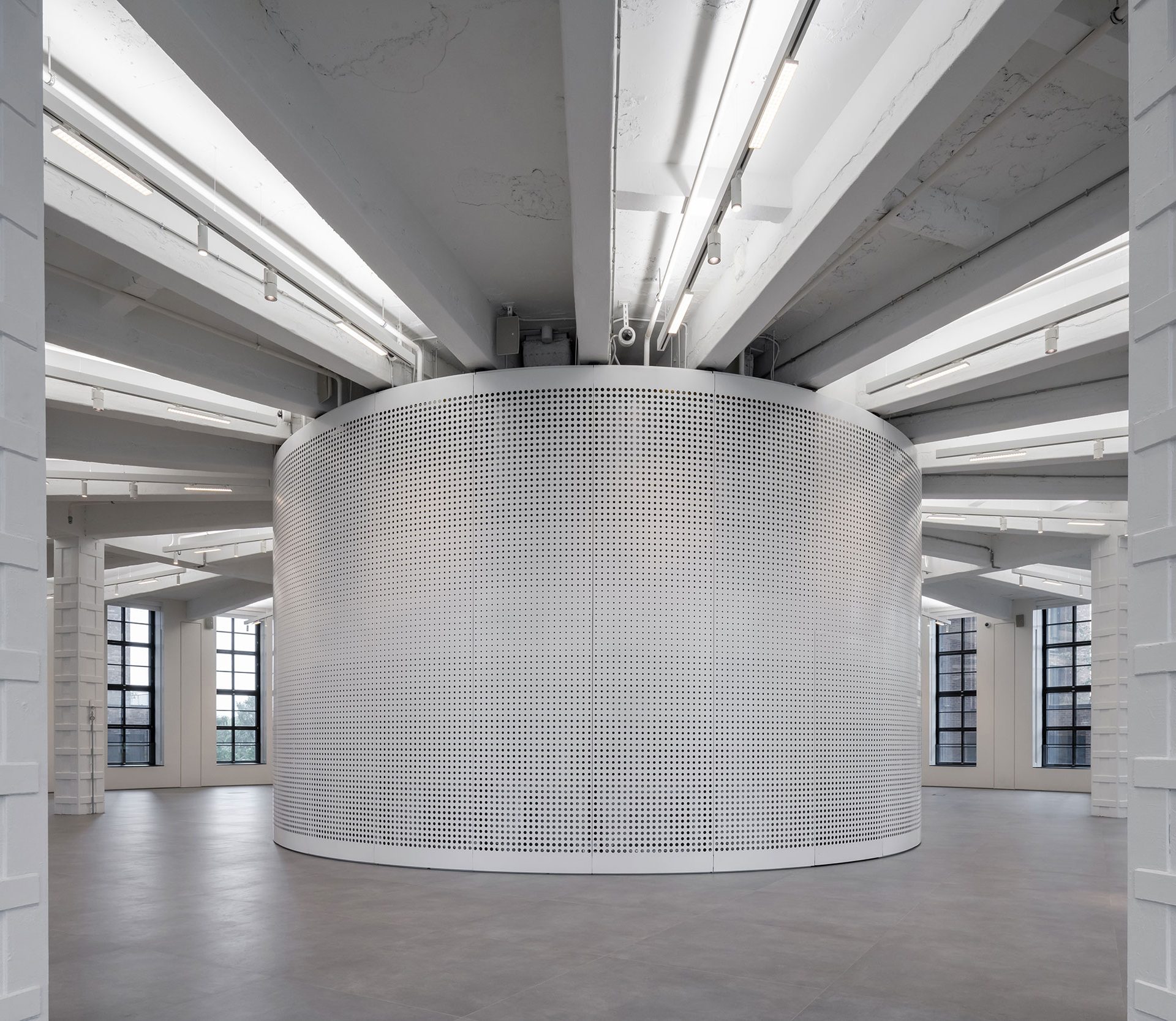
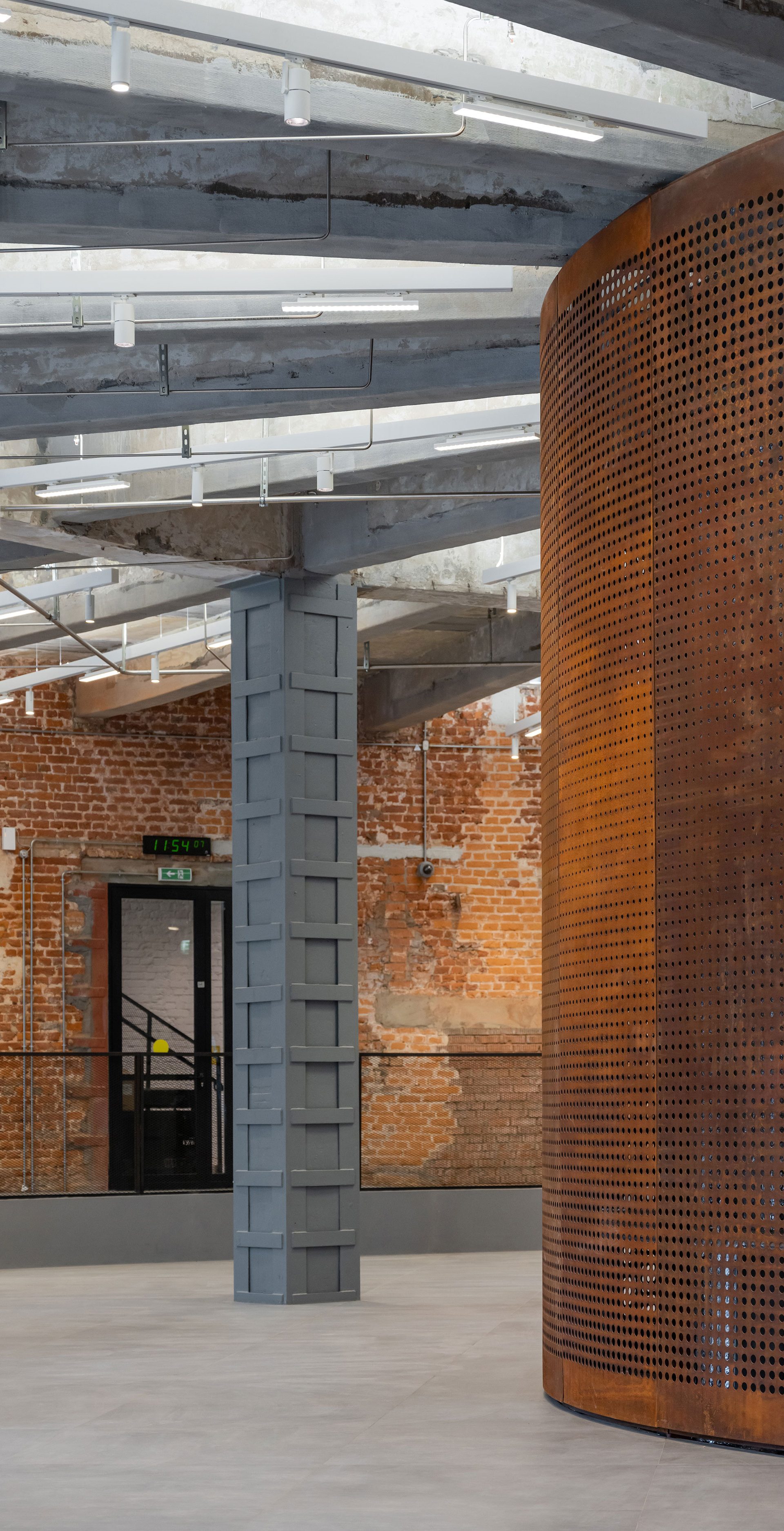
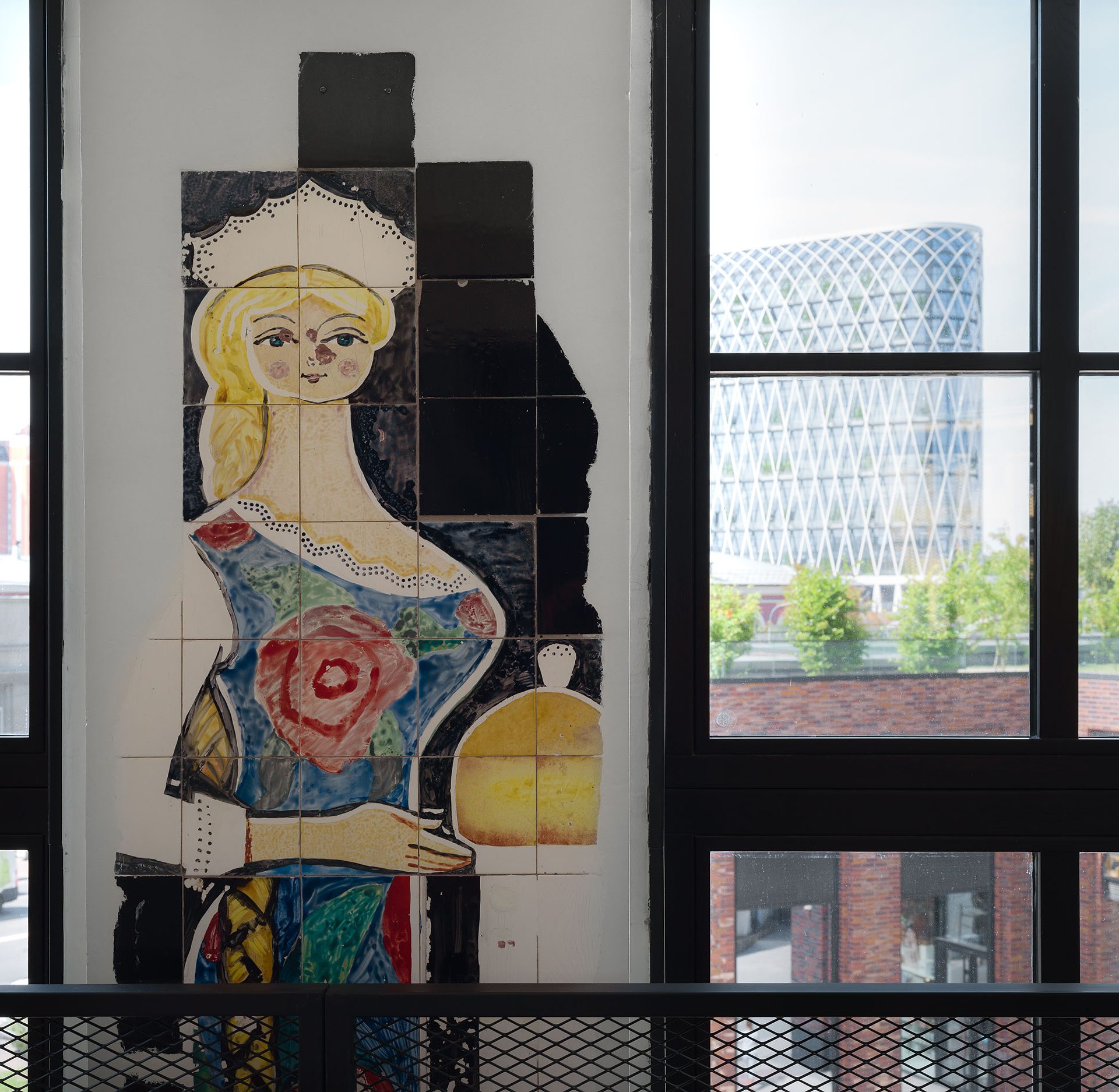
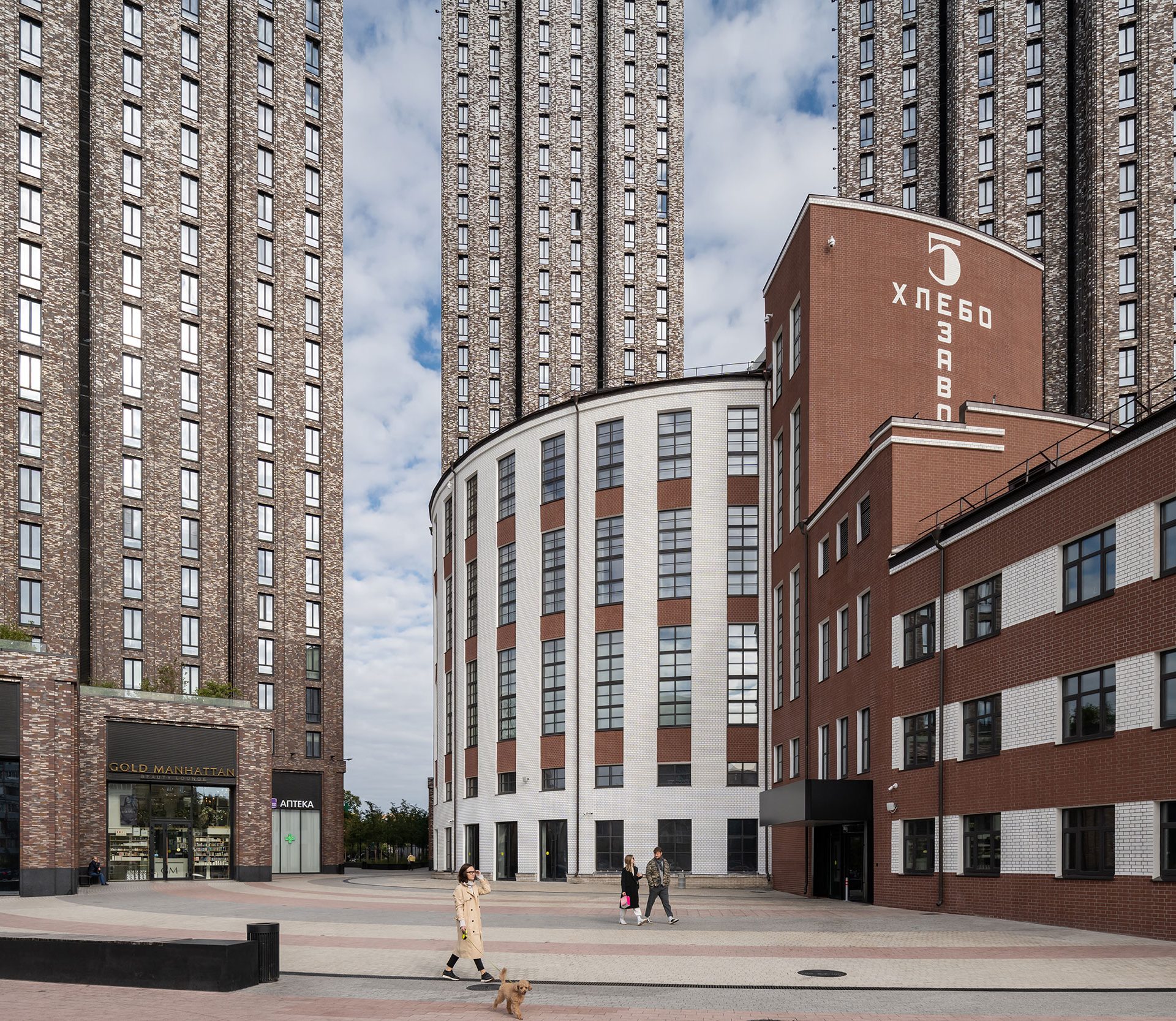
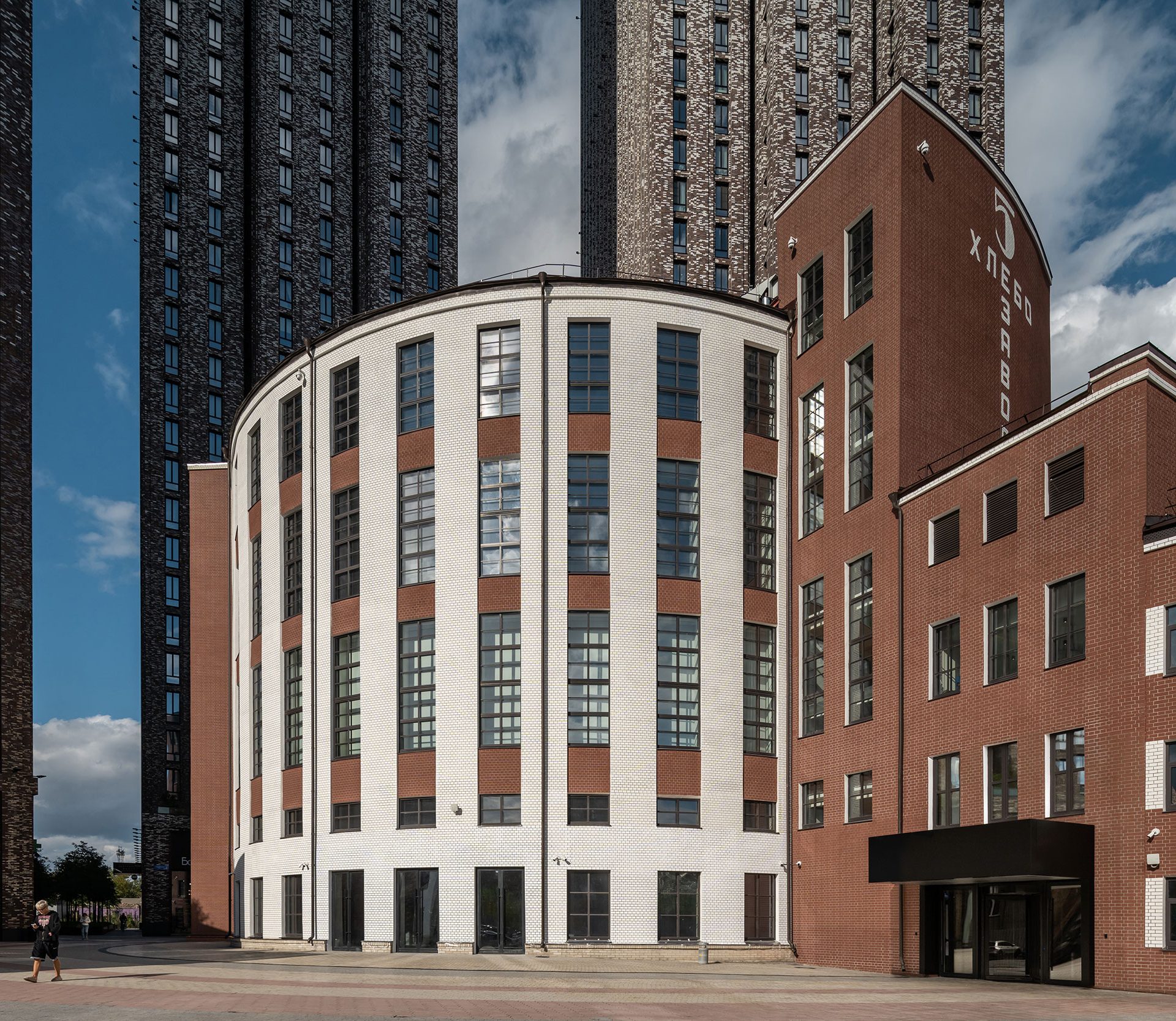
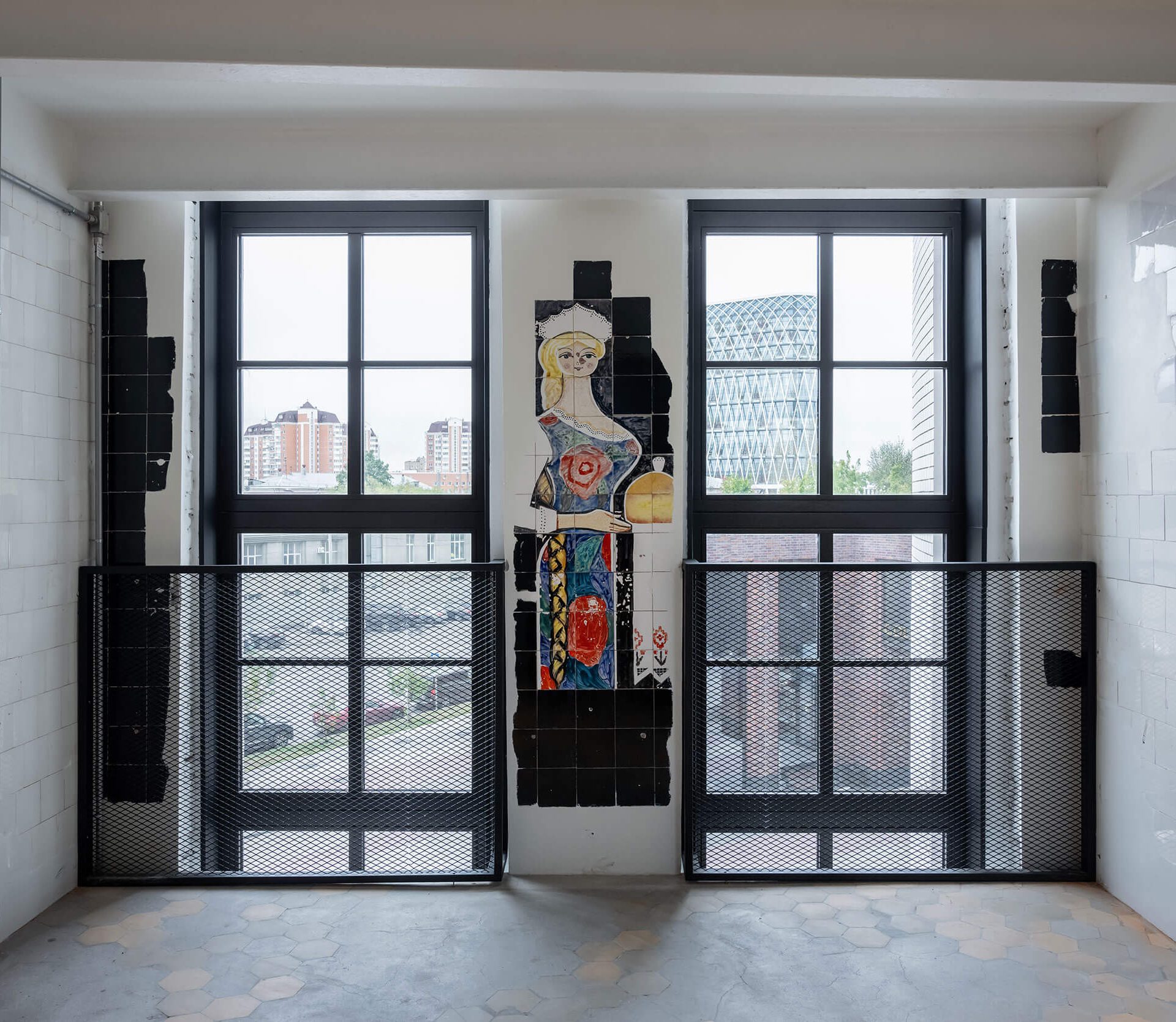
Restoration and adaptation of the building began in 2018. The façade restoration project was developed by the State Enterprise Centre for Integrated Development. The main principle guiding the architects (Sergey Choban, Igor Chlenov, Alina Garnovskaya, Yulia Vernitskaya, Ksenia Chupina from the SPEECH bureau) in their work on the interiors of Bakery No. 5 was to carefully identify and preserve all remaining original decorative elements. This approach ensured that the restoration captured every layer of time, allowing the building to showcase not only its original Constructivist architecture, but also the changes it underwent through use, as well as shifts in historical periods and ownership.
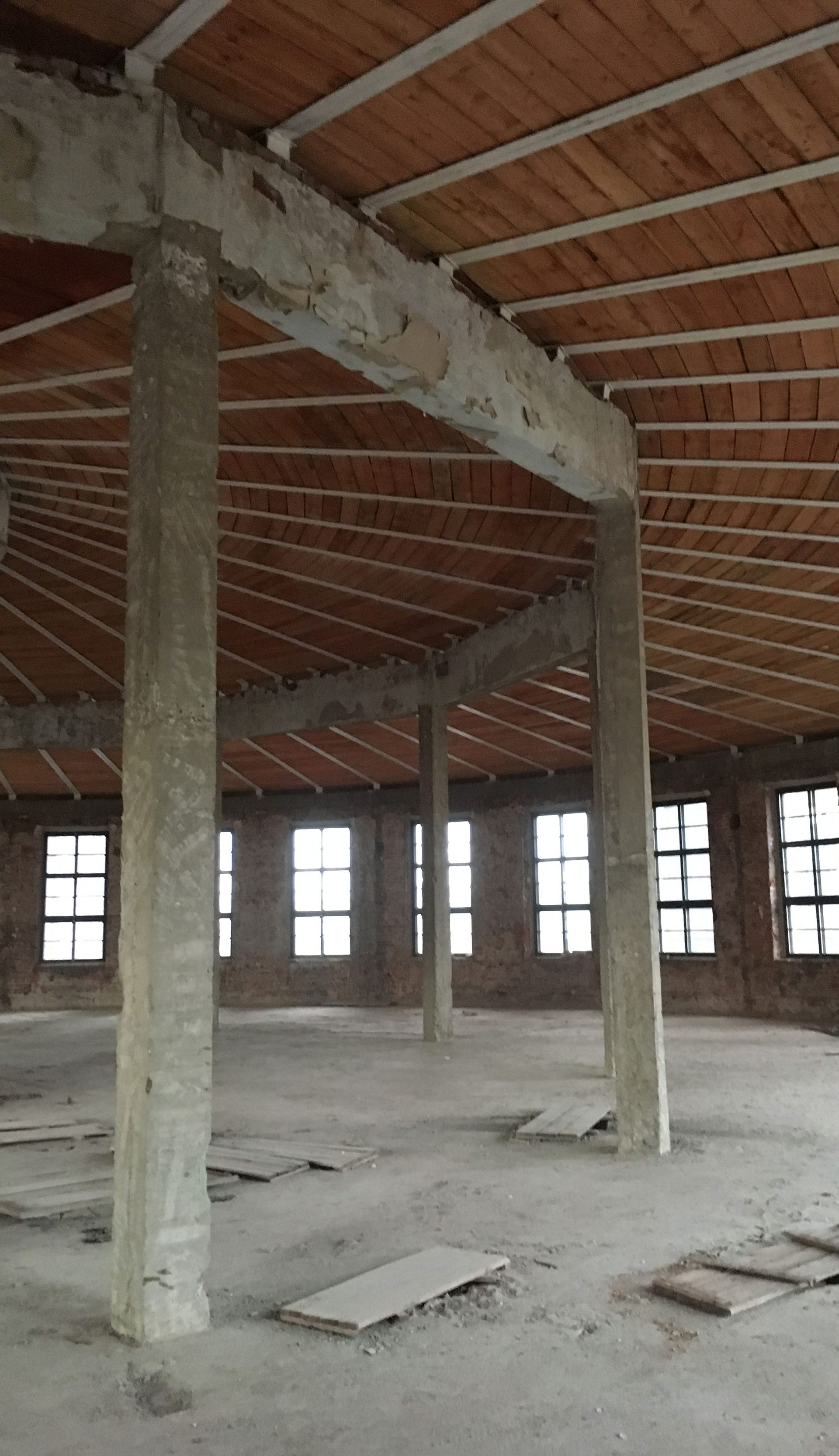
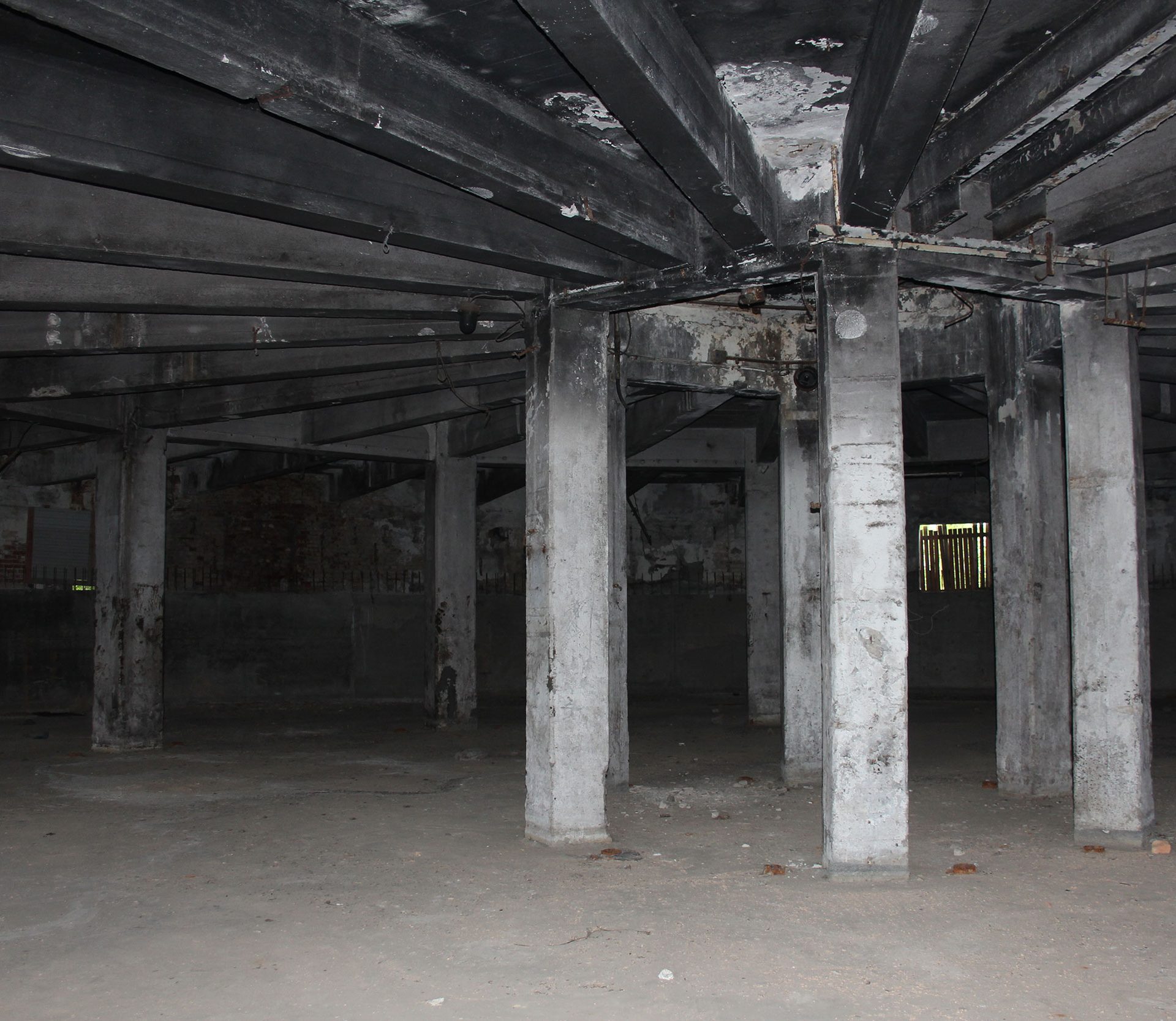
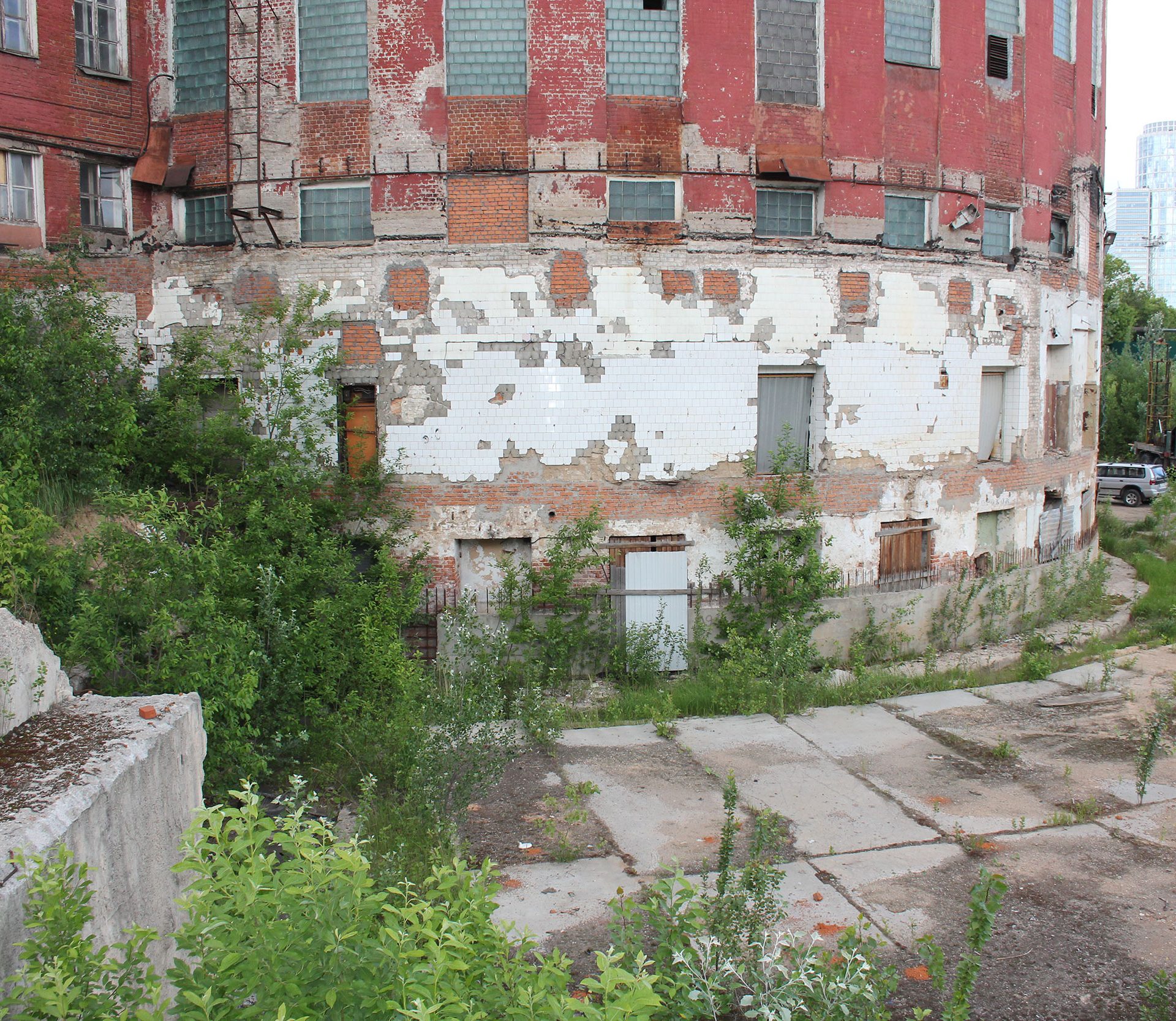
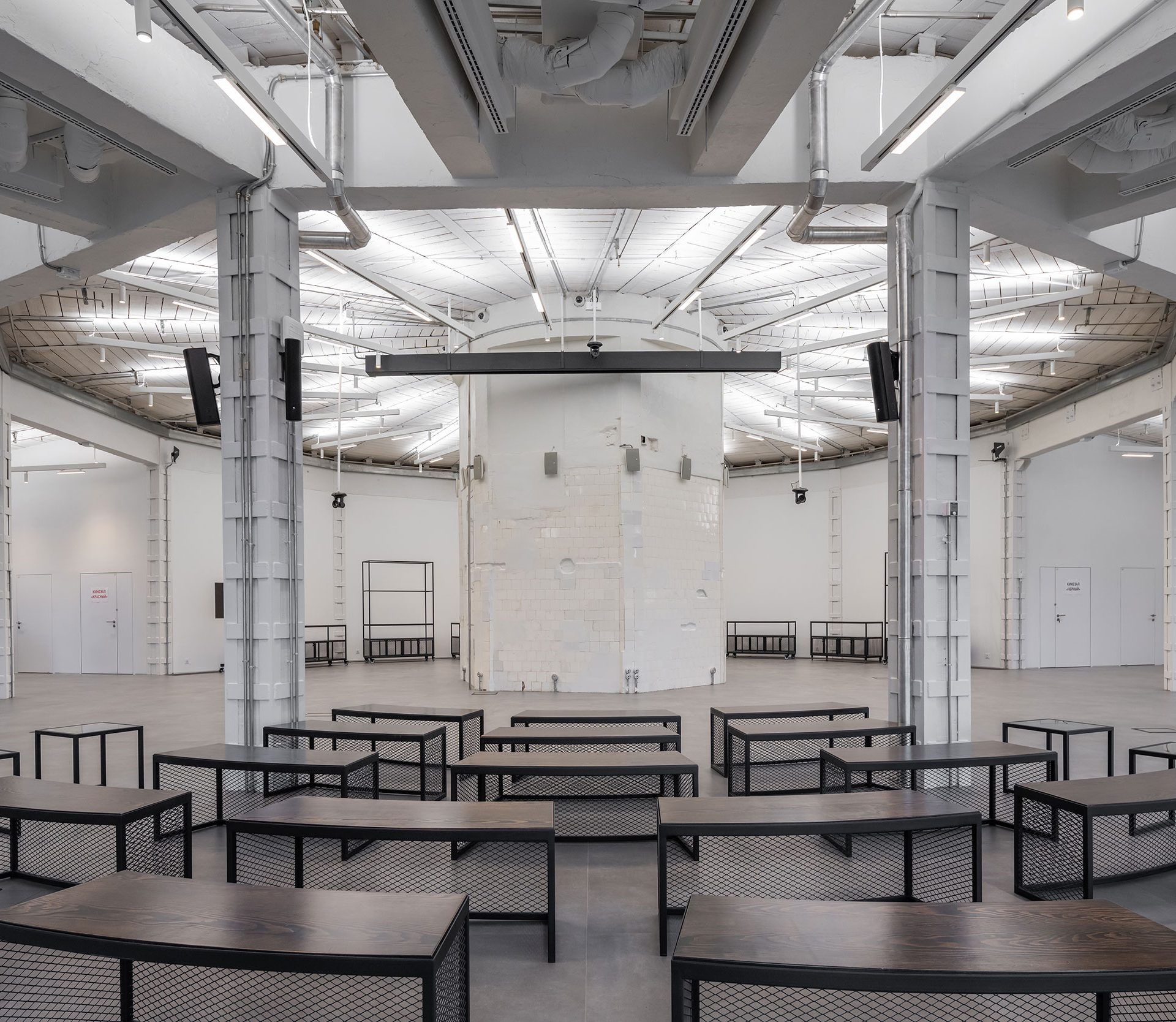
For example, on the ground floor of the former production building, you can see the original brickwork of the walls, some of which were replaced with silicate bricks in the 1990s, as well as the concrete ceiling, marked with numerous patches. The upper level still features the drum of the original conveyor system, with its white glazed tiles preserved during the restoration; areas of loss have been filled with plaster. The wooden ceiling, now coated with a single layer of white paint, was treated in a way that enhances the texture of the wood while ensuring visual unity in the space, which now serves as a lecture hall.